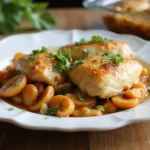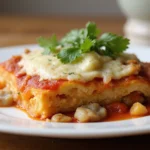
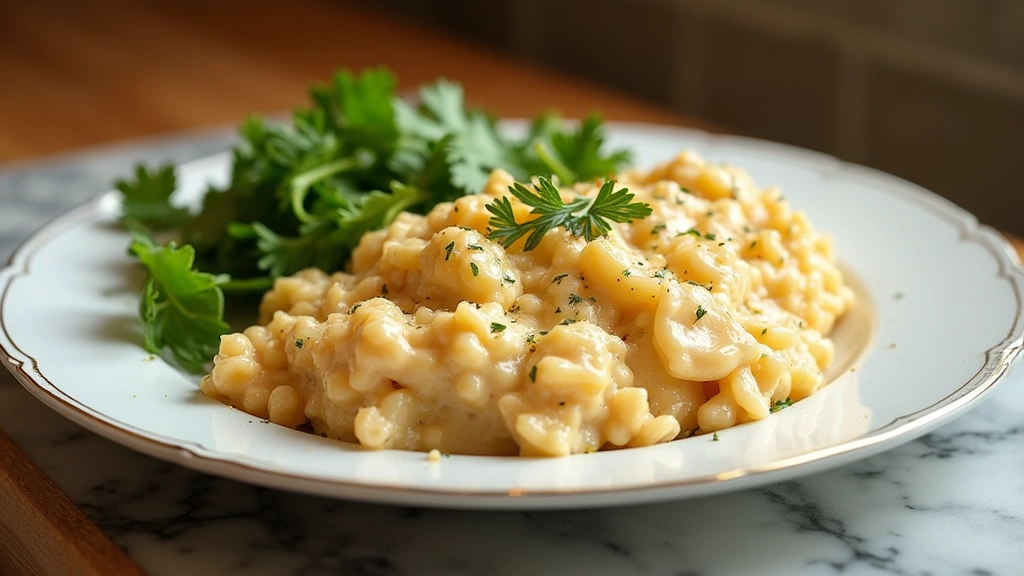
Creamy Chicken and Rice Casserole is the ultimate comfort food that brings warmth to any table.
This dish features tender chicken, perfectly cooked rice, and a luscious creamy sauce that melds together in a harmonious symphony of flavors.
I first tasted this casserole during a family gathering, where the aroma filled the air and instantly transported me back to my childhood.
Whether you’re looking for an easy weeknight meal or a hearty dish to impress guests, this casserole is sure to delight everyone at the table.
The History and Cultural Significance
• Creamy Chicken and Rice Casserole traces its origins to the mid-20th century in America, where it became a staple for busy families.
• The dish evolved over decades as convenience ingredients like canned soups and frozen vegetables became popular, eventually becoming the beloved version we know today.
• In American culture, this dish traditionally appears at potlucks and family gatherings, symbolizing warmth and togetherness.
• While many variations exist across different households, the authentic version maintains the creamy texture and savory flavor that sets it apart from imitations.


Recipe Overview
Nutritional Information (per serving)
Ingredients


Essential Equipment Guide
Casserole Dish: A quality casserole dish is essential to evenly cook and serve your chicken and rice casserole. Look for a dish that is oven-safe and has a lid to retain moisture during baking.
Skillet: A large skillet is important for sautéing vegetables and browning chicken before adding them to the casserole. Choose one with a non-stick surface for easier cooking and cleanup.
Measuring Cups and Spoons: Accurate measurements are crucial for this recipe to ensure the right balance of flavors. Invest in a good set of measuring cups and spoons to make your preparation straightforward.
Preparation Methods
Sautéing: This technique involves cooking ingredients in a small amount of oil over medium heat. It helps to develop flavors in the vegetables and chicken before combining them with the other ingredients. Ensure the pan is hot enough to achieve a nice golden color without burning.
Mixing: Proper mixing ensures that all ingredients are evenly distributed, allowing the flavors to meld together beautifully. Use a large bowl and a spatula to gently fold in the ingredients without mashing them.
Baking: Baking at the right temperature allows the casserole to cook evenly and develop a golden crust. Preheat the oven and use an oven-safe dish to prevent any leaks while baking.
Step 1: Prepare Ingredients
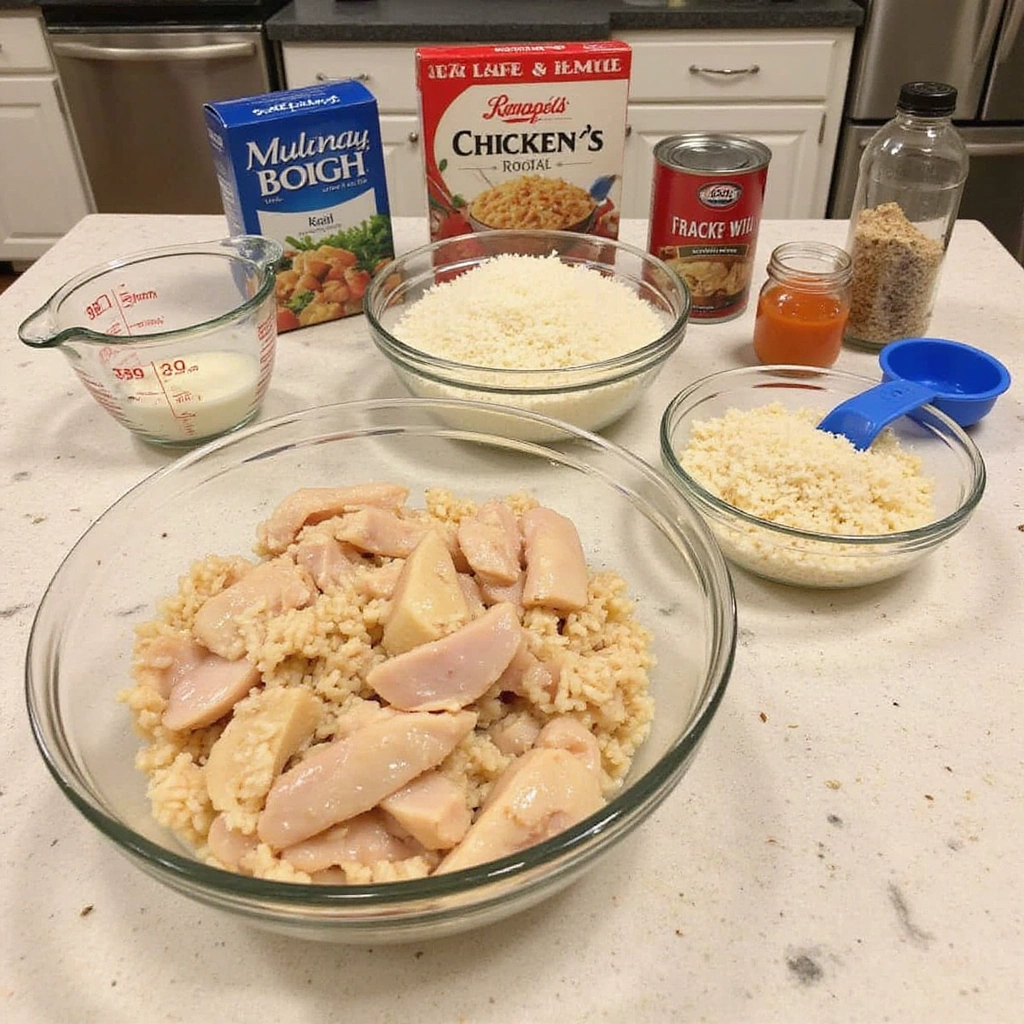
Start by gathering all your ingredients on the counter.
This includes your cooked rice, shredded chicken, and all the sauce components.
Make sure everything is measured and ready to go to streamline the cooking process.
Prepping ahead can save time and ensure a smoother cooking experience.
Step 2: Sauté Vegetables
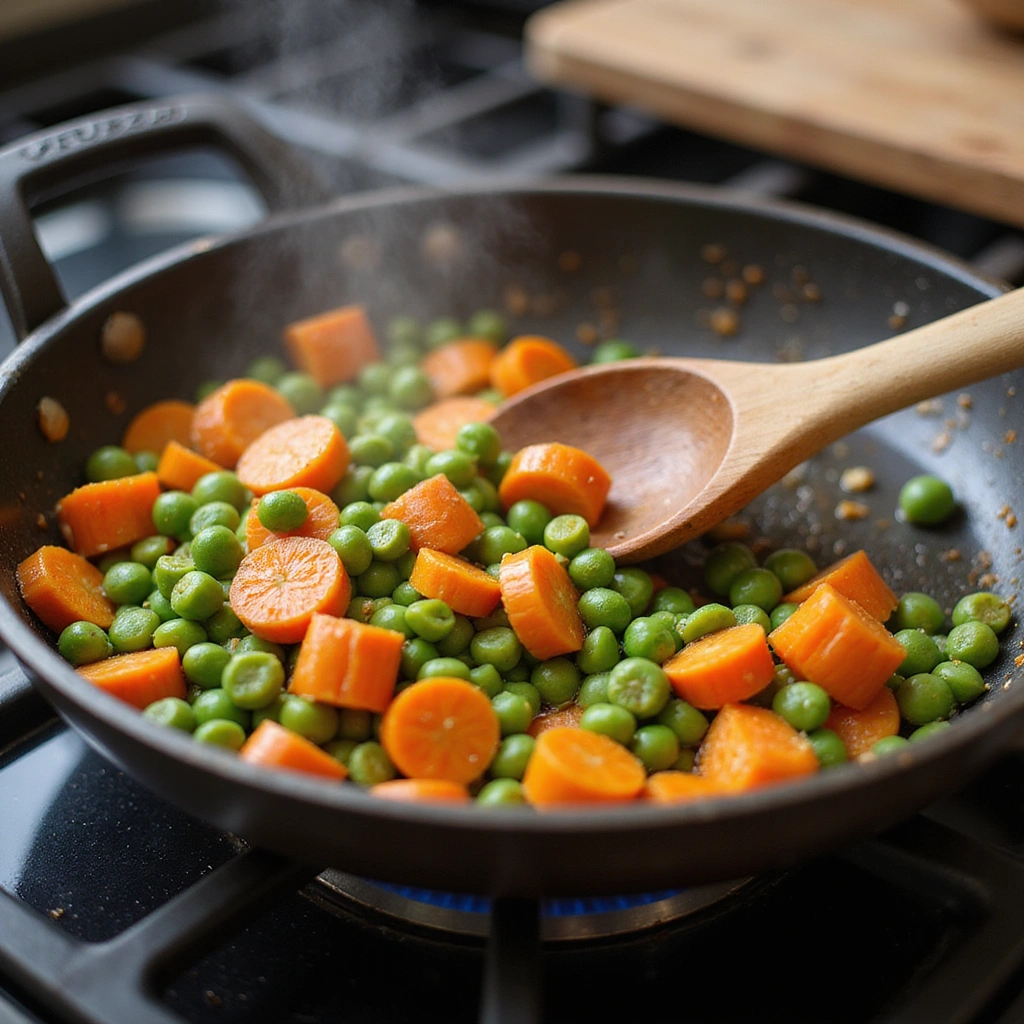
Heat a skillet over medium heat and add a drizzle of oil.
Once the oil is hot, add the chopped carrots and frozen peas to the skillet.
Sauté them for about 5 minutes until they are tender and fragrant.
This step enhances their flavor and ensures the vegetables are cooked through.
Step 3: Combine Sauce Ingredients
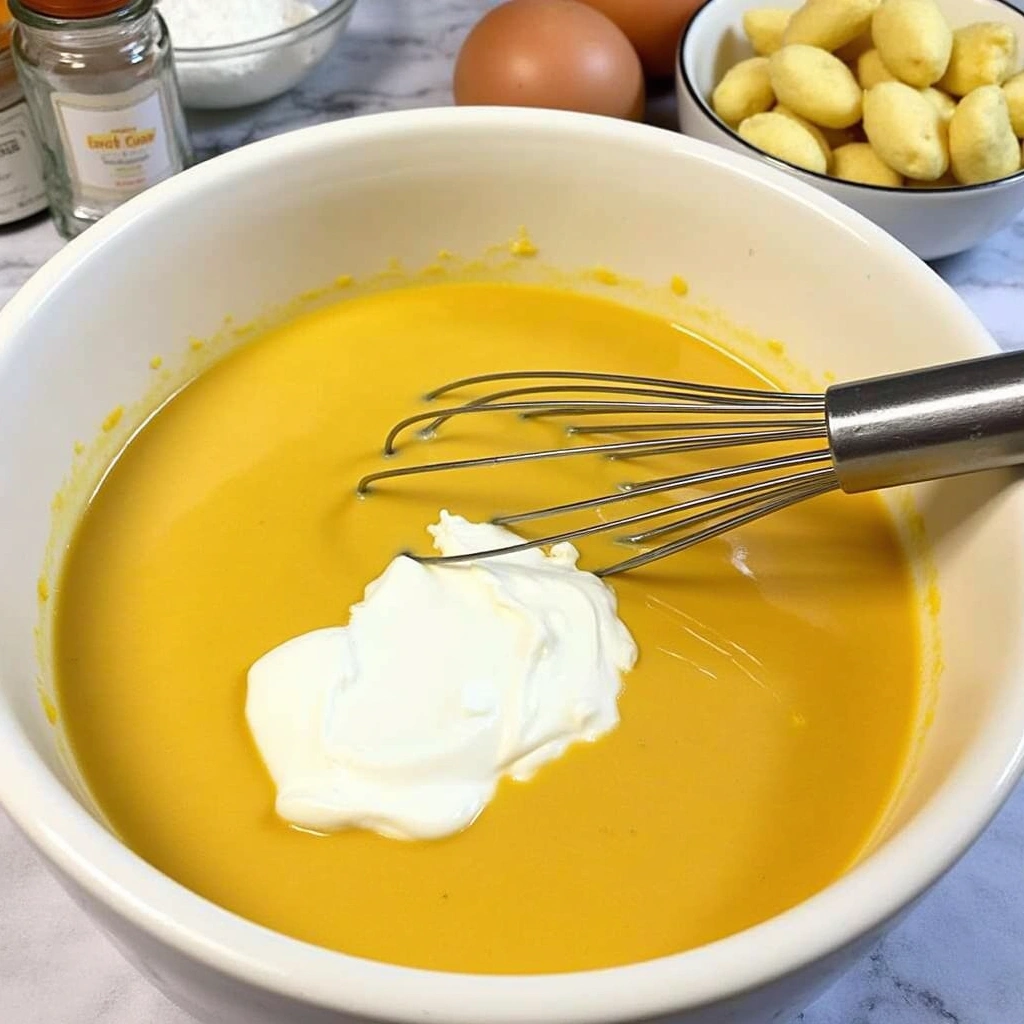
In a large mixing bowl, combine the cream of chicken soup, chicken broth, and sour cream.
Stir the mixture until smooth and well-blended.
This creamy mixture will be the key sauce that binds the casserole together.
Ensure there are no lumps for a silky texture.
Step 4: Mix the Base Ingredients
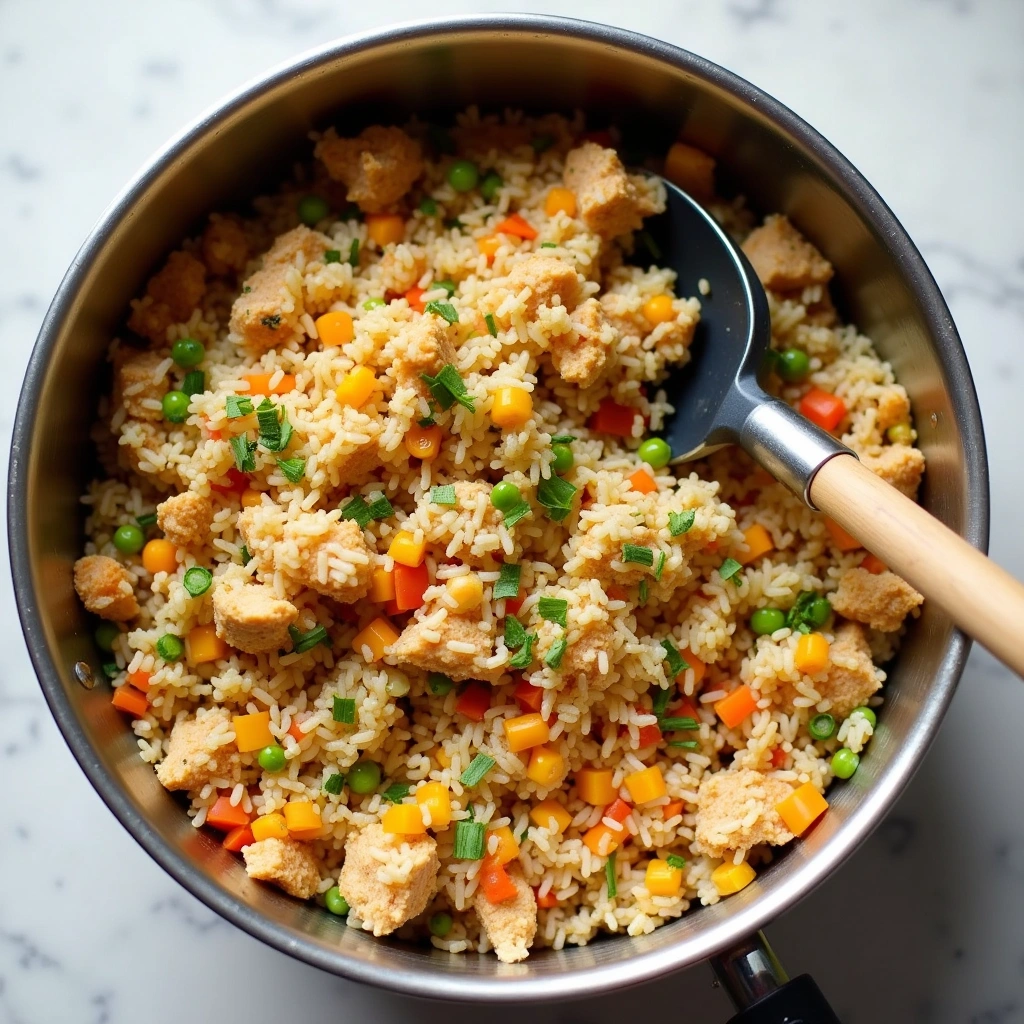
In the same bowl, add the cooked rice and shredded chicken to the sauce mixture.
Gently fold in the sautéed vegetables as well, ensuring everything is evenly coated.
This step combines the base of your casserole with the flavorful sauce.
Be careful not to overmix to keep the chicken and rice intact.
Step 5: Season the Mixture
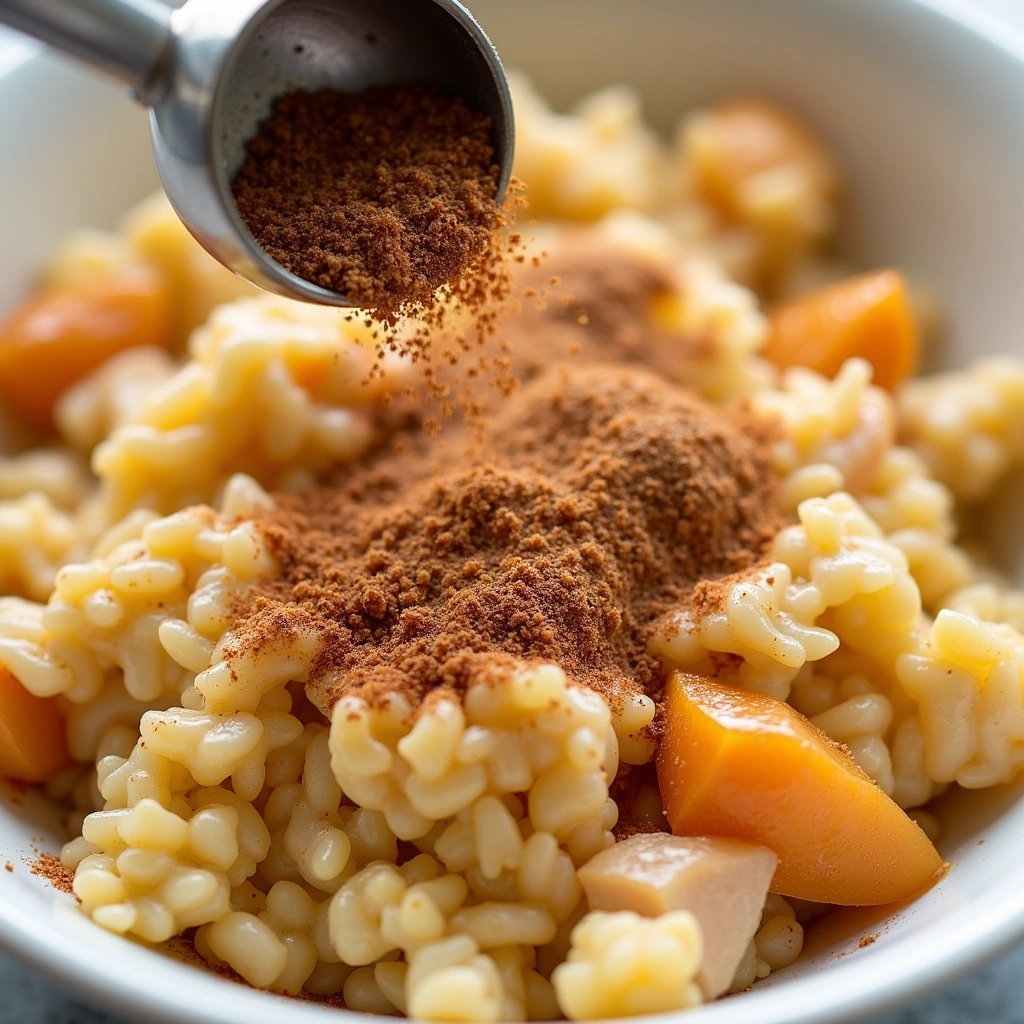
Add garlic powder, onion powder, salt, and pepper to the chicken and rice mixture.
Stir well to ensure that the seasonings are evenly distributed throughout.
This step is crucial for enhancing the overall flavor of the casserole.
Taste the mixture to adjust seasoning as necessary.

Step 6: Transfer to Casserole Dish
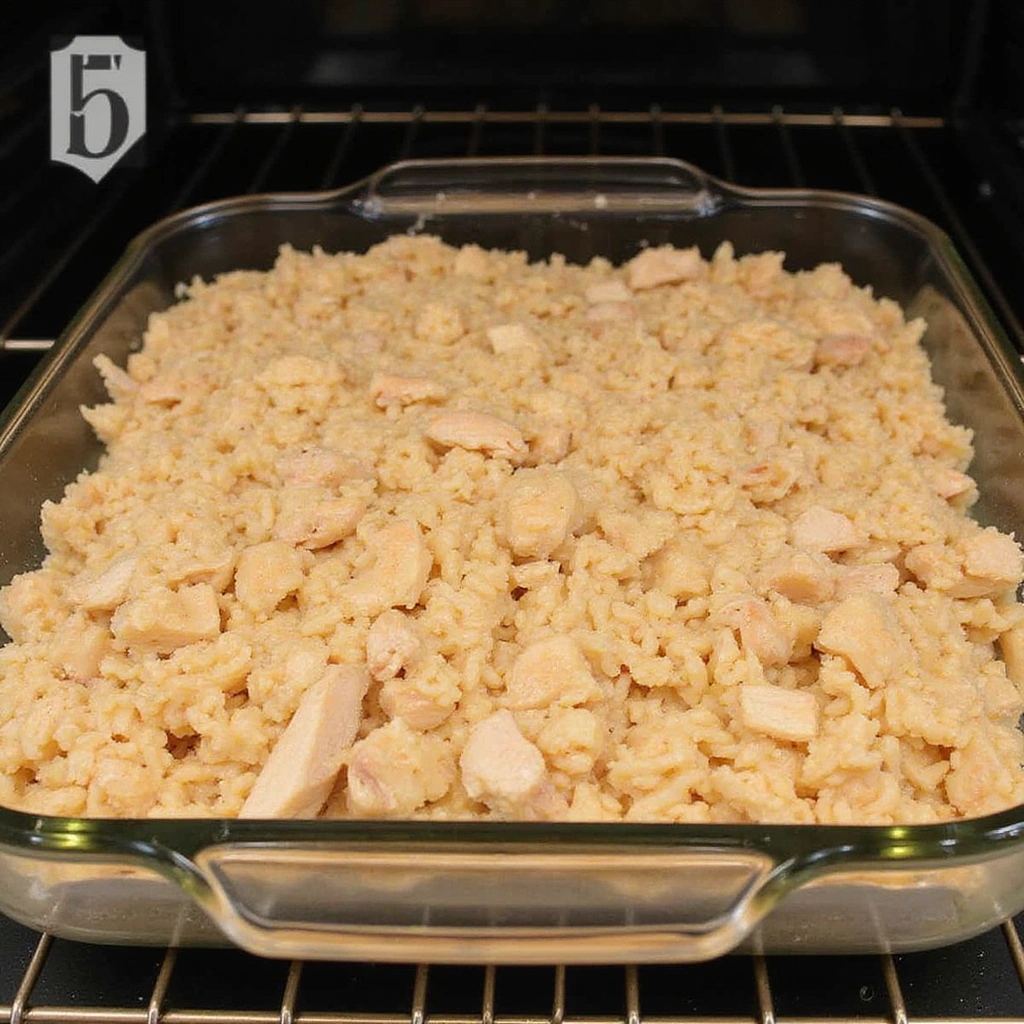
Preheat your oven to 350°F (175°C).
Transfer the mixture into a greased casserole dish, spreading it evenly.
This ensures that the casserole cooks uniformly and develops a nice top crust.
Use a spatula to smooth the surface for even baking.
Step 7: Bake the Casserole
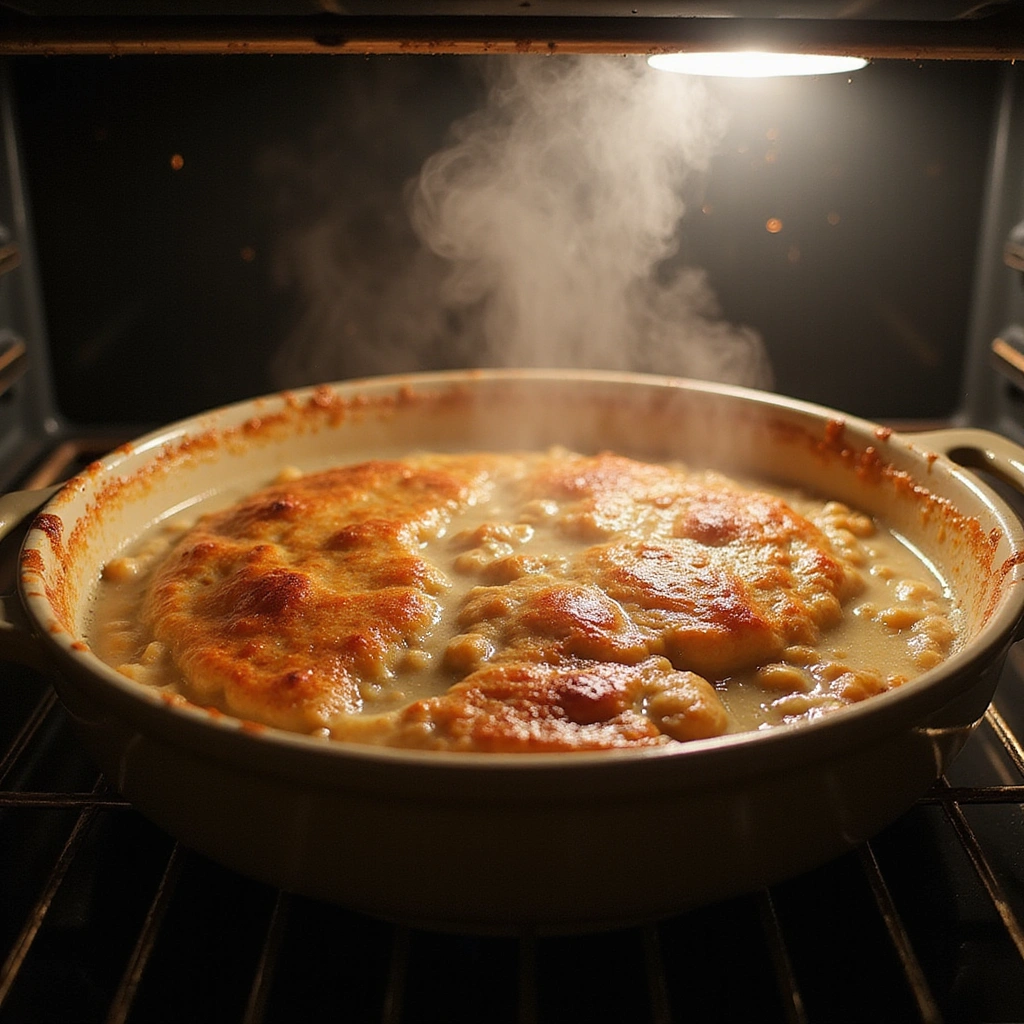
Place the casserole dish in the preheated oven and bake for 30-35 minutes.
You want the casserole to be bubbling and the top to be lightly golden.
Check it around the 30-minute mark to avoid overcooking.
The aroma should fill your kitchen, indicating it’s nearly ready.
Step 8: Let it Rest
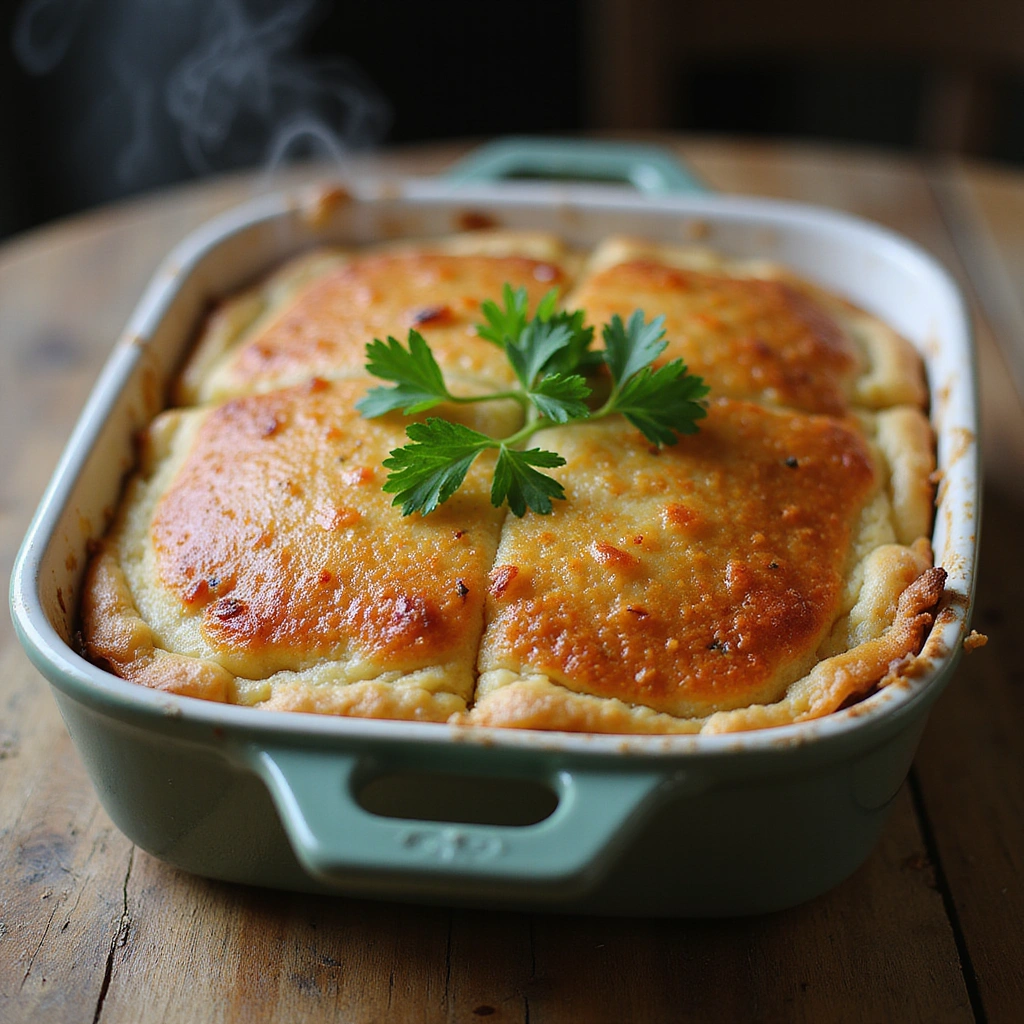
Once baked, remove the casserole from the oven and let it rest for about 10 minutes.
This allows the flavors to meld and makes it easier to serve.
Garnish with fresh herbs like parsley for added color and flavor.
Cutting too soon can cause the casserole to fall apart.
Critical Timing and Temperature Guide
Baking Time: Bake the casserole at 350°F (175°C) for 30-35 minutes. Look for bubbling edges and a golden crust as indicators of doneness. Avoid opening the oven too often to maintain temperature.
Resting Time: Allow the casserole to rest for at least 10 minutes post-baking. This ensures the dish sets properly and is easier to serve. Cutting too early can lead to a messy presentation.
Ingredient Temperature: Ensure chicken is cooked and rice is warm before mixing. Cold ingredients can lead to uneven cooking and a less cohesive dish.
Pro Tips for Creamy Chicken And Rice Casserole Recipes Classic Comfort Food
• Ingredient Selection: Using high-quality chicken breast and homemade broth can significantly elevate the flavor profile of your casserole.
• Preparation Secret: Consider adding a splash of white wine to the sauce mixture for a depth of flavor that’s often overlooked.
• Temperature Management: Ensure all ingredients are at room temperature before mixing to promote even cooking.
• Texture Enhancement: For a creamier texture, add a bit of cream cheese to the sauce mixture.
• Flavor Layering: Incorporate fresh herbs like thyme or rosemary into the mixture to build a more complex flavor profile.
• Make-Ahead Strategies: Prepare the casserole a day in advance and refrigerate it. Bake it fresh just before serving for convenience.
• Restaurant-Quality Finishing Touches: Drizzle a little melted butter over the top before baking for a golden crust.
• Equipment Optimization: Use a heavy-bottomed casserole dish for even heat distribution.


Troubleshooting Common Issues
• Texture Too Dense: This can happen if the rice was overcooked or if too much sauce was added. To fix, ensure rice is cooked al dente next time and adjust sauce quantity based on rice type.
• Flavors Unbalanced: If the dish tastes bland, it might need more seasoning. Always taste before baking and adjust seasoning as needed.
• Dry Casserole: A dry casserole can result from overbaking. Use a timer and check for doneness a few minutes early to prevent this.
• Too Much Liquid: If the casserole is soupy, it may be due to excess broth or sauce. Next time, reduce the liquid or slightly increase rice quantity.
• Uneven Cooking: To avoid this, make sure to mix the ingredients thoroughly and spread them evenly in the dish before baking.

Variations and Regional Differences
• Southern Chicken and Rice: In the Southern U.S., this variation adds Cajun spices and often includes andouille sausage for a spicy kick.
• Mexican Chicken Casserole: Incorporates black beans, corn, and taco seasoning, topped with cheese for a Mexican twist.
• Vegetarian Version: Replace chicken with a mix of hearty vegetables like mushrooms and zucchini, and use vegetable broth for a meatless option.
• Modern Interpretations: Many contemporary recipes use quinoa or cauliflower rice as a base, catering to healthier or gluten-free diets.


Food Science Behind the Recipe
• Emulsification: The combination of sour cream and soup creates an emulsion, ensuring a smooth sauce that coats the chicken and rice evenly.
• Gelatinization: Cooking rice allows starch granules to absorb water, swelling and creating a tender texture. Proper cooking is key to avoid mushiness.
• Maillard Reaction: Browning the chicken and vegetables during sautéing develops complex flavors through the Maillard reaction, enhancing the dish’s overall taste.
Frequently Asked Questions
What’s the most common mistake people make when preparing Creamy Chicken and Rice Casserole? One of the top mistakes is overcooking the rice before mixing it in, which can lead to a mushy texture. Always cook rice al dente to maintain its integrity.
Can I prepare components of this dish in advance? Yes, you can cook the chicken and rice ahead of time and prepare the sauce mixture. Store them separately in the refrigerator for up to 2 days before assembling and baking.
How do I adapt this recipe for dietary restrictions? To make it gluten-free, use gluten-free cream of chicken soup and ensure your broth is also gluten-free. For dairy-free, substitute sour cream with a plant-based alternative.
What’s the best way to store and reheat leftovers? Store leftovers in an airtight container in the fridge for up to 3 days. To reheat, place in the microwave or oven until heated through, adding a splash of broth if it seems dry.
Can I freeze this dish? Yes, you can freeze the unbaked casserole for up to 3 months. Thaw it in the fridge overnight before baking as directed.
What wine or beverages pair best with this dish? A crisp Chardonnay or a light-bodied Pinot Noir complements the rich flavors of the casserole beautifully.
How can I scale this recipe up for a crowd? Simply double the ingredients and use a larger casserole dish, adjusting baking time as needed. Make sure to check for doneness before serving.
What side dishes complement this recipe best? A fresh garden salad or steamed green beans provide a nice contrast to the richness of the casserole.
How do professional chefs elevate this dish for restaurant service? Chefs often add gourmet ingredients like wild mushrooms or truffle oil, and they pay close attention to presentation with fresh herbs and elegant plating.
Serving and Presentation Guide
• Traditional Presentation: Serve the casserole directly from the dish, garnished with freshly chopped parsley. Use a large spoon to create a rustic, homey feel.
• Modern Plating Ideas: For a contemporary approach, plate individual servings in white bowls with a drizzle of cream over the top and a sprinkle of microgreens.
• Accompaniment Suggestions: Pair with a crisp green salad dressed in vinaigrette and crusty bread for a complete meal.
• Special Occasion Presentation: For formal gatherings, serve in a decorative baking dish and provide elegant serving utensils. Garnish with edible flowers or herbs for a touch of sophistication.
Conclusion
I hope you enjoy making this Creamy Chicken and Rice Casserole as much as I do.
It’s a dish that not only fills your stomach but also warms your heart.
Give it a try, and let it become a comforting staple in your home.