
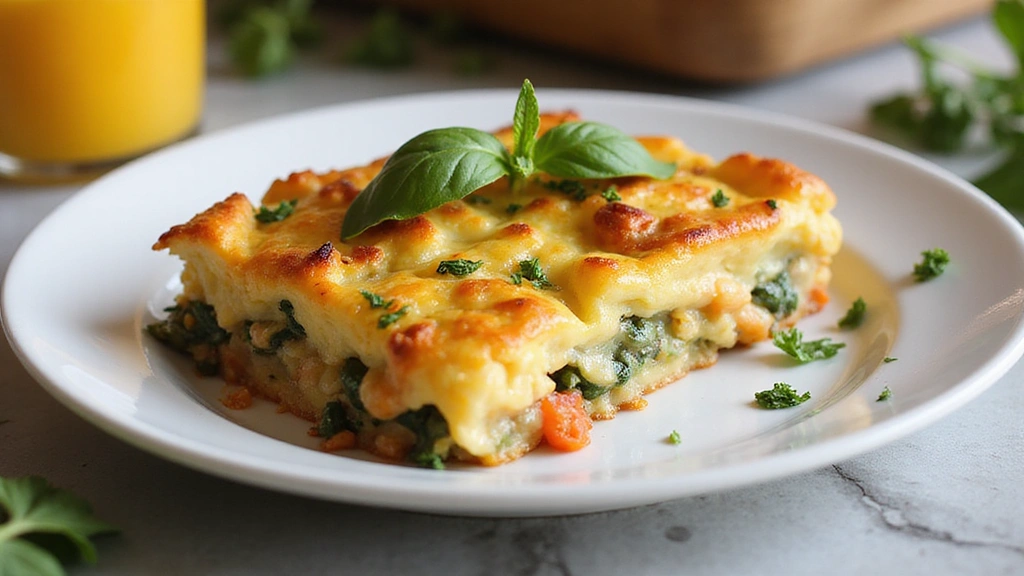
Breakfast casserole recipes are the ultimate make-ahead morning favorites that effortlessly combine convenience with comfort.
These hearty dishes are packed with flavors of savory meats, fresh vegetables, and creamy cheeses, creating a delightful start to your day.
I first fell in love with breakfast casseroles during a family gathering, where the aroma of baked eggs and spices filled the air, drawing everyone to the table.
Perfect for busy mornings or leisurely brunches, these casseroles can be prepared in advance, making them a stress-free option for any occasion.
The History and Cultural Significance
• Breakfast casserole recipes trace their origins to American kitchens in the mid-20th century, where home cooks sought to simplify morning meals.
• The dish evolved over decades as ingredients varied from region to region, incorporating local favorites like chorizo in the Southwest or smoked salmon in the Pacific Northwest.
• In many American households, breakfast casseroles traditionally appear at holiday gatherings and weekend brunches, symbolizing togetherness and comfort.
• While many variations exist, the authentic breakfast casserole maintains a custard-like base of eggs and milk that sets it apart from simpler egg bakes.
Recipe Overview
Nutritional Information (per serving)
Ingredients
Essential Equipment Guide
Casserole Dish: A sturdy, oven-safe casserole dish is essential for even cooking and easy serving. Look for one with a lid for storing leftovers. A glass or ceramic dish retains heat well, ensuring your casserole stays warm when serving.
Mixing Bowl: A large mixing bowl is crucial for combining all ingredients thoroughly. Opt for a bowl with a non-slip base to avoid spills while mixing. Stainless steel or glass bowls are great choices due to their durability and ease of cleaning.
Whisk: A whisk is important for beating eggs and combining liquids until smooth. Choose a whisk with a comfortable handle and sturdy wires, which will help incorporate air for a fluffy egg mixture.
Preparation Methods
Chopping Vegetables: When chopping vegetables, uniform pieces ensure even cooking. Use a sharp knife for clean cuts, and try to keep the pieces around the same size for consistent texture in the casserole.
Cooking Sausage: Cooking sausage until it’s browned not only adds flavor but also prevents the casserole from becoming greasy. Crumble the sausage while cooking for even distribution throughout the dish.
Whisking Eggs: Whisking eggs vigorously incorporates air, which leads to a fluffier texture in the final casserole. Ensure that the eggs and milk are well combined before pouring them over the fillings.
Step 1: Prepare Ingredients
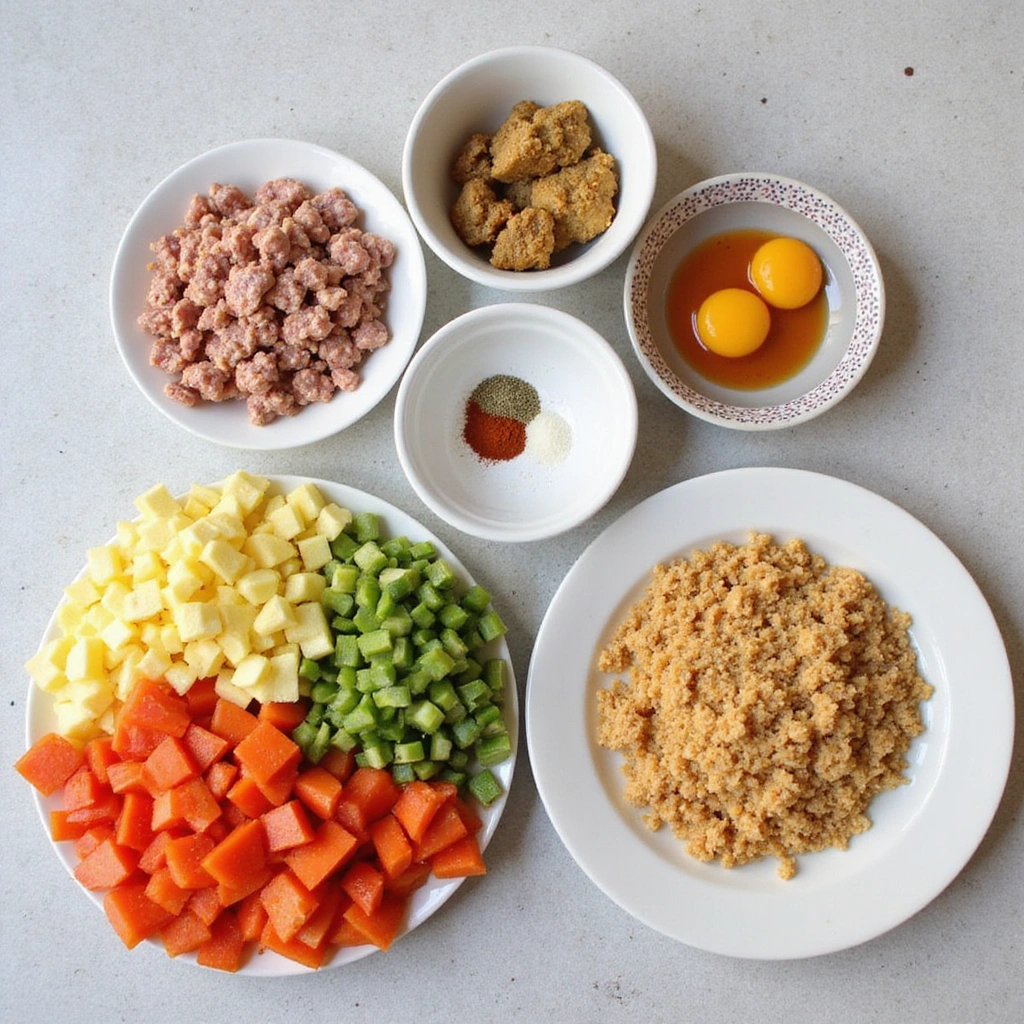
Gather all your ingredients on the countertop.
Ensure everything is fresh and ready to go.
Chop your vegetables and crumble the cooked sausage ahead of time for convenience.
This step sets you up for a smooth cooking process.
Step 2: Preheat Oven
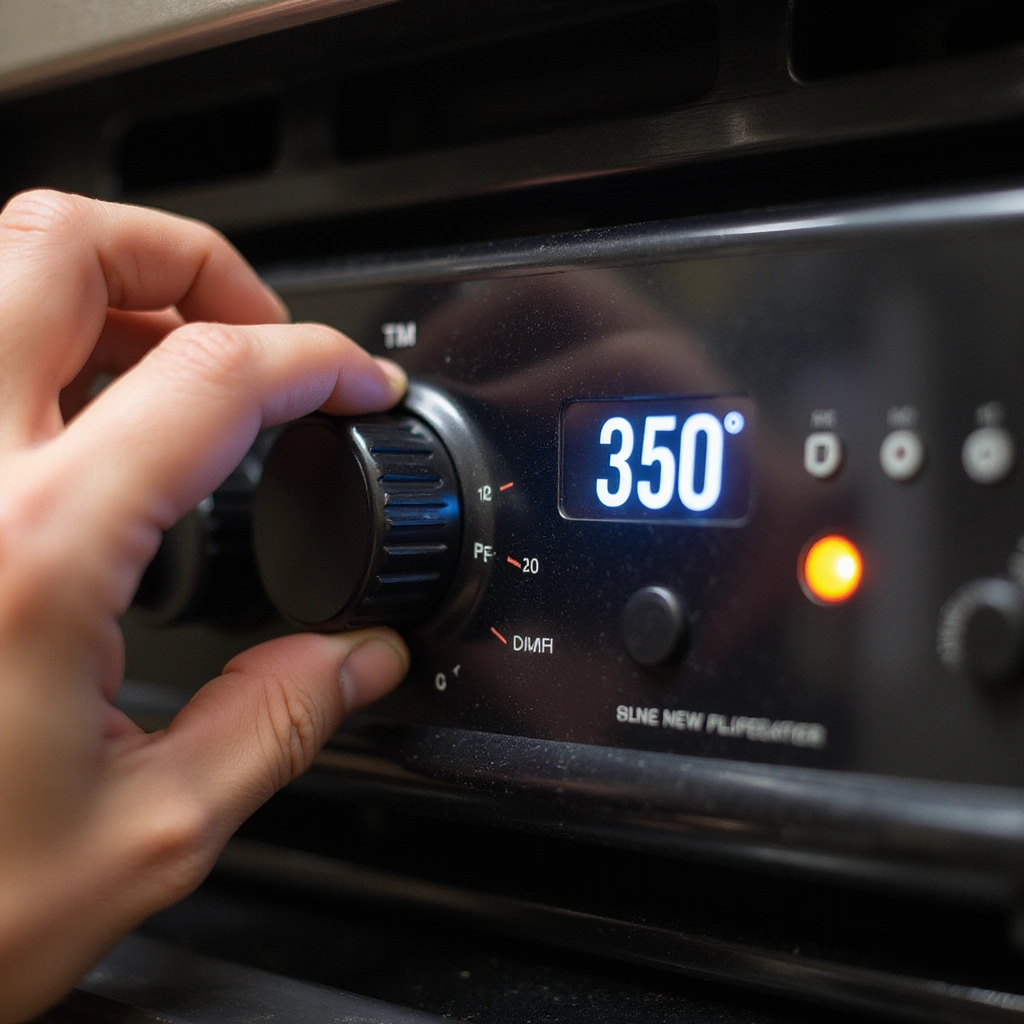
Set your oven to 350°F (175°C) to preheat.
This ensures that the casserole cooks evenly and the cheese melts perfectly.
Preheating is key to achieving the right texture in baked dishes.
Use an oven thermometer to confirm the correct temperature if you’re unsure about your oven’s accuracy.
Step 3: Cook Sausage
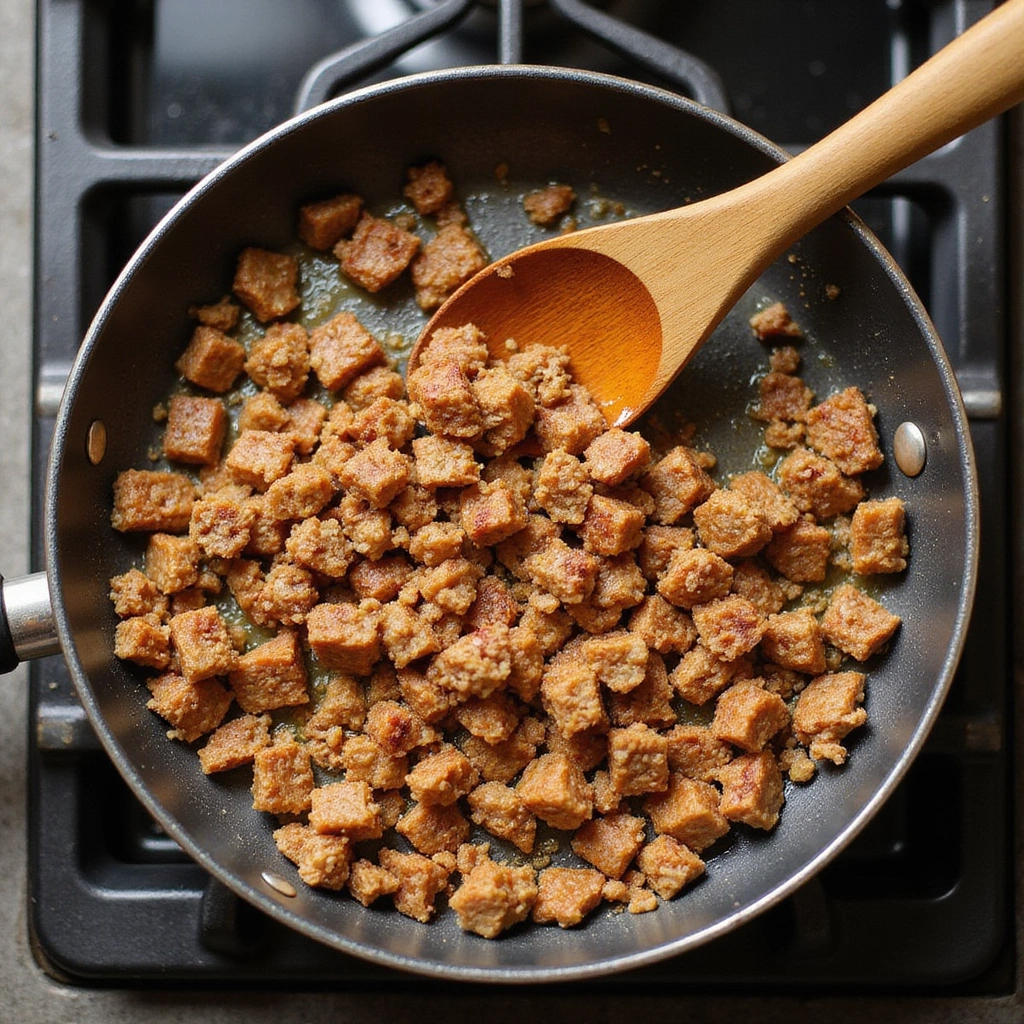
In a skillet over medium heat, add the crumbled sausage.
Cook until browned and fully cooked through, about 5-7 minutes.
Stir occasionally to ensure even cooking.
Once cooked, transfer the sausage to a plate lined with paper towels to drain excess fat.
Step 4: Whisk Eggs and Milk

In a large mixing bowl, combine the eggs and milk.
Use a whisk to beat them together until fully blended and frothy.
This process incorporates air, which helps the casserole rise during baking.
Add the salt, pepper, and garlic powder during this step for an even distribution of seasoning.
Step 5: Combine Fillings
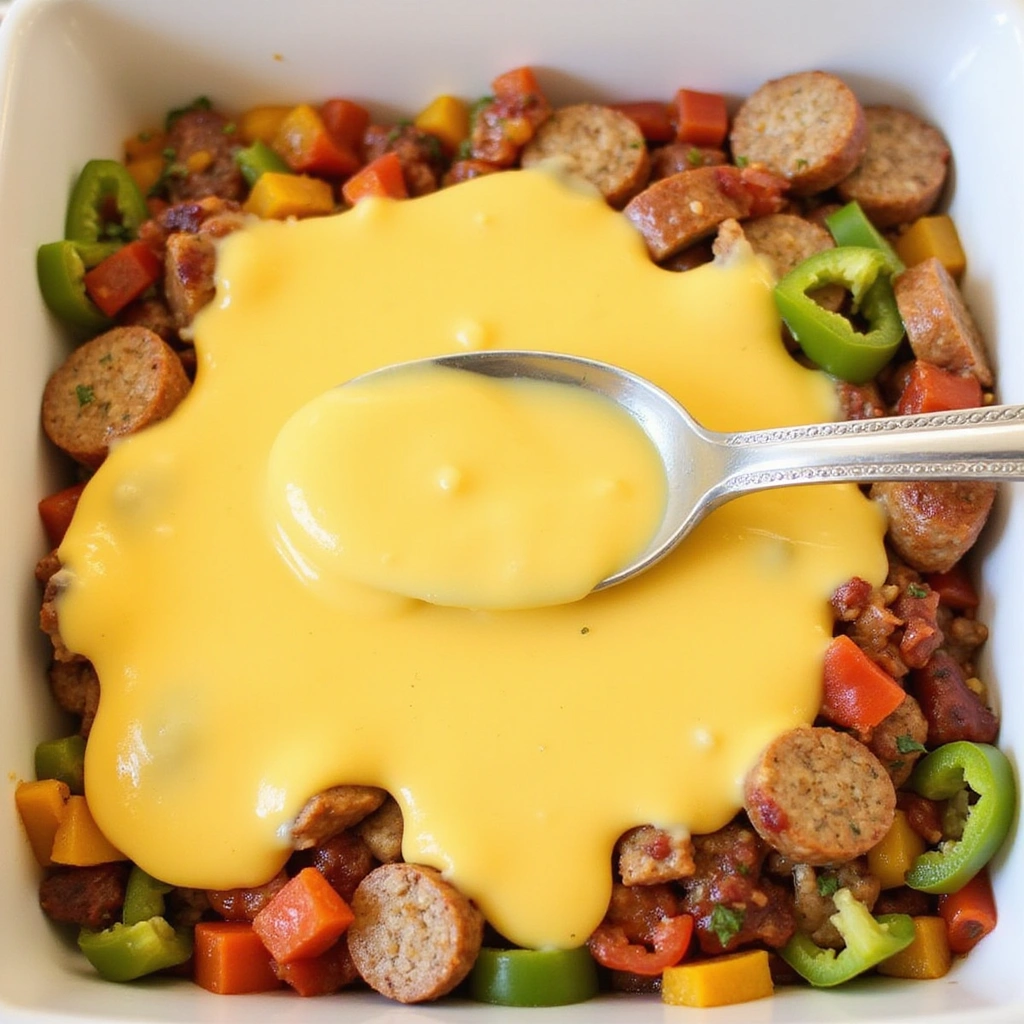
In a large casserole dish, spread the cooked sausage evenly across the bottom.
Layer the diced bell peppers and half of the shredded cheese on top of the sausage.
This layering helps to create distinct flavor pockets in each serving.
Pour the egg mixture over the top, ensuring everything is well coated.
Step 6: Add Cheese
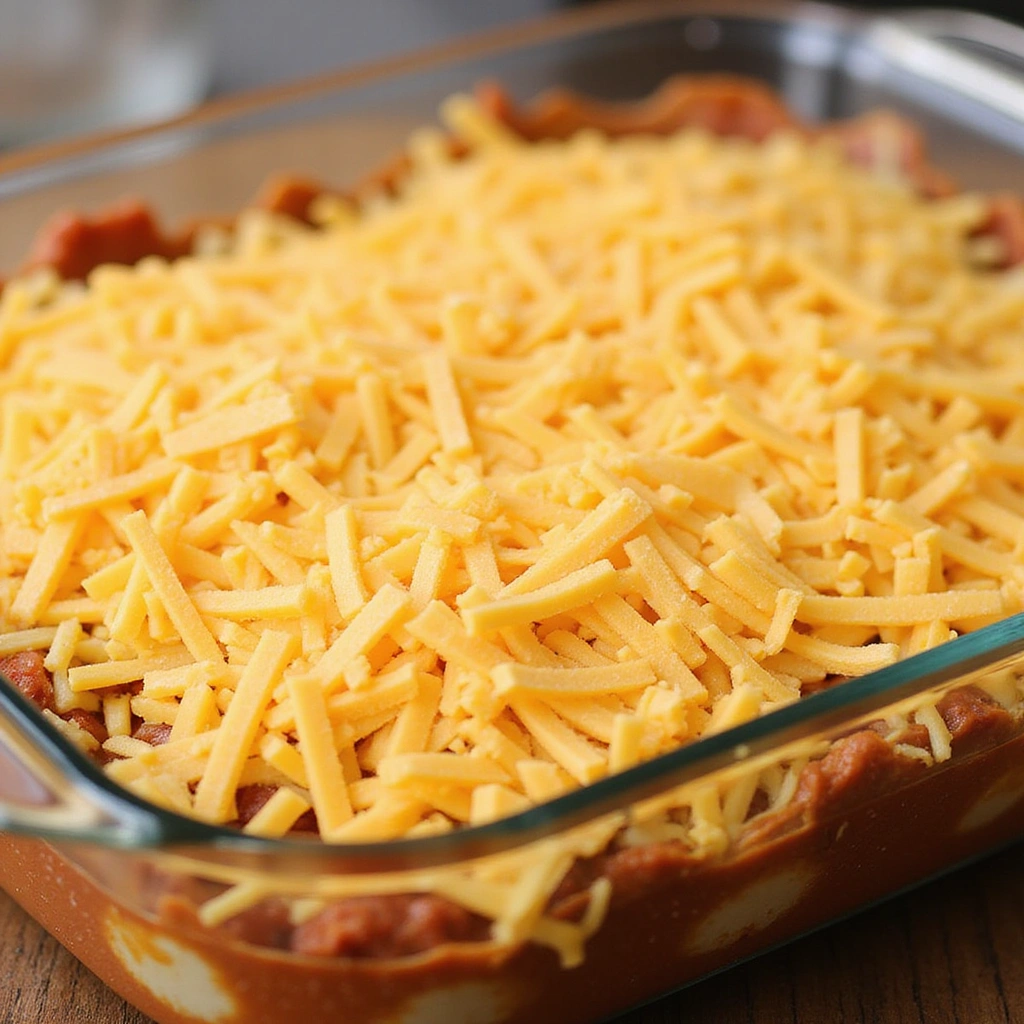
Sprinkle the remaining cheese evenly over the top of the casserole.
This will create a deliciously melty crust once baked.
Use a mixture of different cheeses for added flavor if desired.
Make sure to cover the entire surface for even melting.
Step 7: Bake the Casserole
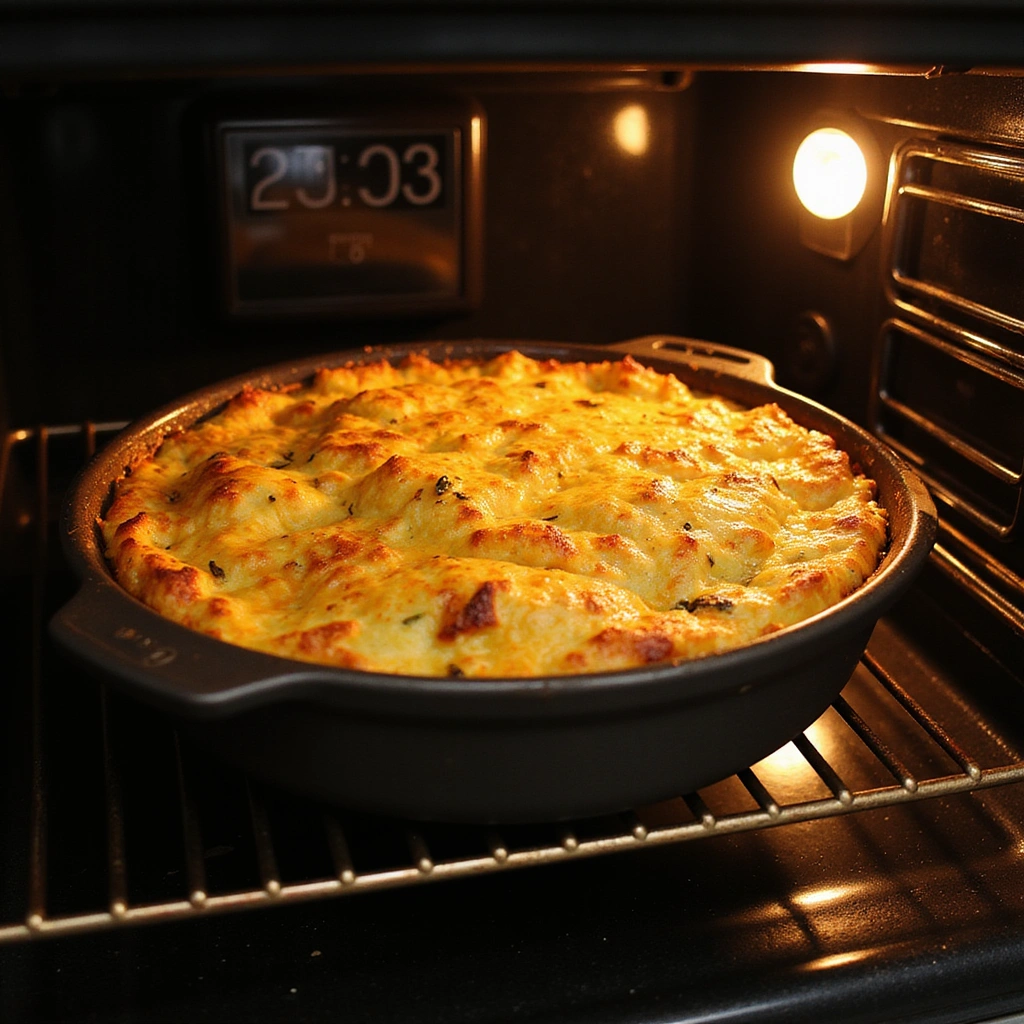
Place the casserole in the preheated oven and bake for 45 minutes.
Check for doneness by inserting a knife in the center; it should come out clean.
The top should be golden brown and slightly puffed up.
Let the casserole cool for about 10 minutes before serving.
Step 8: Serve and Enjoy

Once cooled, slice the casserole into squares using a sharp knife.
Serve warm with a side of fresh fruit or toast for a complete breakfast.
Garnish with fresh herbs if desired for an extra touch.
Enjoy the hearty flavors and satisfying texture of your homemade breakfast casserole.
Critical Timing and Temperature Guide
Baking Time: Bake the casserole for exactly 45 minutes at 350°F (175°C). Look for a golden brown top and a knife inserted in the center to come out clean. Avoid overbaking, which can lead to dry texture.
Cooling Time: Allow the casserole to cool for at least 10 minutes after baking. This helps the layers set and makes it easier to slice. Cutting too soon can cause the layers to collapse.
Serving Temperature: Serve the casserole warm, ideally between 150°F to 160°F (65°C to 70°C). This ensures the cheese is melty and the flavors are at their peak.
Pro Tips for Breakfast Casserole Recipes Make Ahead Morning Favorites
• Ingredient Selection: Choose high-quality eggs and fresh vegetables for the best flavor profile. Organic eggs can enhance the richness of the dish.
• Preparation Secret: Let the casserole sit for a few minutes after mixing to allow the bread to absorb the egg mixture fully, resulting in a more cohesive texture.
• Temperature Management: Ensure all ingredients are at room temperature before mixing, which helps them blend more efficiently and cook evenly.
• Texture Enhancement: For a crispy top, broil the casserole for 2-3 minutes at the end of baking, watching closely to avoid burning.
• Flavor Layering: Incorporate fresh herbs and spices directly into the egg mixture to create depth of flavor throughout the casserole.
• Make-Ahead Strategies: Prepare the casserole the night before and refrigerate it. Bake it in the morning for a hot, fresh breakfast with no morning prep required.
• Restaurant-Quality Finishing Touches: Sprinkle fresh chives or parsley on top just before serving to add a pop of color and flavor.
• Equipment Optimization: Use a non-stick casserole dish for easy release and cleanup.
Troubleshooting Common Issues
• Texture Too Dense: This can occur if the egg mixture was overmixed or if too many heavy ingredients were added. To fix this, make sure to whisk just until combined and avoid overpacking the dish with dense ingredients.
• Flavors Unbalanced: If the casserole tastes bland, it might need more seasoning. Taste the egg mixture before pouring it into the dish, and adjust seasonings as necessary.
• Too Dry: Overbaking can lead to a dry casserole. Always check for doneness with a knife to prevent this issue. If leftovers are dry, reheat with a splash of milk.
• Sticking to the Dish: Ensure your casserole dish is well-greased before adding the ingredients. If stuck, run a knife around the edges and gently lift with a spatula.
• Uneven Cooking: This can happen if the ingredients are not evenly distributed. Layer ingredients evenly and gently shake the dish to settle ingredients before baking.
• Too Greasy: Using fatty meats can lead to excess grease. Opt for leaner meats or drain off excess fat before mixing with the egg mixture.
Variations and Regional Differences
• Southwestern Breakfast Casserole: This version incorporates black beans, corn, and spicy jalapeños, often topped with avocado and salsa. It reflects the bold flavors of Southwestern cuisine.
• Italian Breakfast Casserole: Featuring Italian sausage, sun-dried tomatoes, and mozzarella, this variation is seasoned with Italian herbs. It offers a taste of Italy for brunch lovers.
• Vegetarian Breakfast Casserole: Packed with spinach, mushrooms, and feta cheese, this meatless option is both healthy and satisfying. Perfect for veggie lovers.
• Modern Interpretations: With the rise of health trends, many now use quinoa or sweet potatoes as a base instead of bread, catering to gluten-free diets while still delivering on flavor.
Food Science Behind the Recipe
• Gelatinization: The starches in bread or potatoes gelatinize during baking, creating a cohesive structure that holds the casserole together. Proper soaking in the egg mixture enhances this effect.
• Maillard Reaction: This browning reaction occurs when the casserole is baked, developing complex flavors and a golden crust. The high heat of baking promotes this desirable outcome.
• Emulsification: The combination of eggs and milk creates an emulsion, leading to a creamy custard texture that envelops the filling. Understanding this helps in achieving the right consistency.
Frequently Asked Questions
What’s the most common mistake people make when preparing breakfast casserole? Overmixing the egg and milk mixture can lead to a dense texture. It’s best to whisk just until combined for a fluffier result.
Can I prepare components of this dish in advance? Absolutely! You can chop vegetables and cook the meat a day ahead of time, storing them in the fridge. Assemble everything the night before and bake in the morning.
How do I adapt this recipe for dietary restrictions? For gluten-free options, substitute regular bread with gluten-free bread or use quinoa. For dairy-free, opt for almond or coconut milk and vegan cheese.
What’s the best way to store and reheat leftovers? Store leftovers in an airtight container in the fridge for up to 3-4 days. Reheat in the oven at 350°F (175°C) until warmed through, about 20 minutes.
Can I freeze this dish? Yes, you can freeze the assembled casserole before baking. Thaw it overnight in the refrigerator before baking, adding an extra 10-15 minutes to the cooking time.
What wine or beverages pair best with this dish? A light, crisp white wine such as Sauvignon Blanc complements the flavors well, while a mimosa adds a celebratory touch.
How can I scale this recipe up for a crowd? Simply multiply the ingredients by the number of servings needed, ensuring you use a larger casserole dish and adjust baking time accordingly.
What side dishes complement this recipe best? Fresh fruit salad or a simple green salad pairs well with the richness of the casserole, balancing flavors and textures.
How do professional chefs elevate this dish for restaurant service? Chefs often use gourmet cheeses, artisanal breads, and unique flavor combinations to create signature breakfast casseroles.
Serving and Presentation Guide
• Traditional Presentation: Serve the casserole directly from the dish with a spatula, garnished with fresh herbs like parsley or chives for color. Use a large, rustic dish to enhance the homey feel.
• Modern Plating Ideas: For a contemporary twist, slice the casserole into squares and stack them on a plate, drizzling with a homemade sauce or avocado crema for a gourmet touch.
• Accompaniment Suggestions: Serve with a side of crispy bacon or fresh fruit to complement the savory flavors of the casserole.
• Special Occasion Presentation: Elevate the dish for brunch gatherings by using an elegant serving platter and adding edible flowers or microgreens for a stunning visual appeal.
Conclusion
Breakfast casseroles are a fantastic way to bring comfort and convenience to your morning routine.
With endless variations and the ability to prepare them in advance, they are perfect for gatherings or busy weekdays.
I encourage you to try this recipe and make it your own with your favorite ingredients.
Enjoy the delicious flavors and the joy of sharing a meal with loved ones.