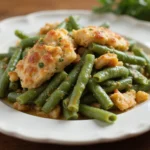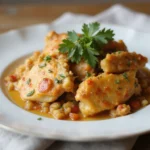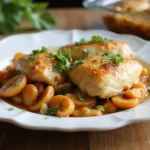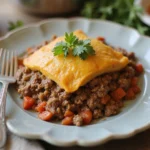
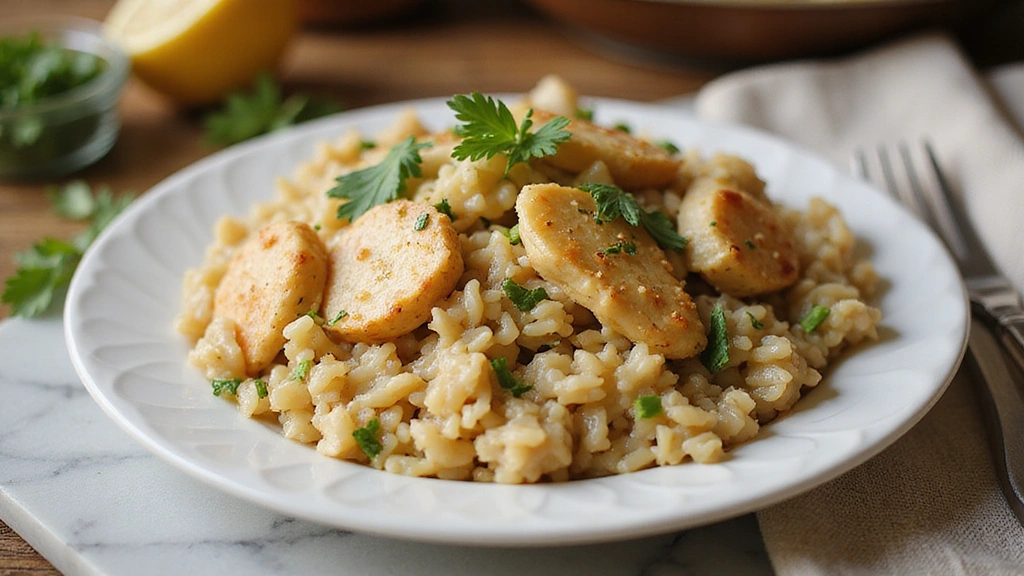
Chicken and Wild Rice Casserole is a warm and comforting dish that resonates with many families across the country.
Its creamy texture and hearty flavor profile make it a perfect meal for chilly evenings or family gatherings.
This casserole combines tender chicken, earthy wild rice, and a medley of vegetables in a rich sauce that brings everything together beautifully.
Whether enjoyed as a cozy weeknight dinner or a potluck favorite, this dish is sure to please even the pickiest of eaters.
The History and Cultural Significance
• Chicken and Wild Rice Casserole traces its origins to the Midwest region of the United States, especially popular in states like Minnesota and Wisconsin.
• The dish evolved over decades as home cooks began to incorporate cream soups and various seasonings, eventually becoming the beloved version we know today.
• In American culture, this dish traditionally appears at family gatherings, holiday celebrations, and potluck dinners, symbolizing comfort and togetherness.
• While many variations exist across different families, the authentic version maintains the use of wild rice, which is a native grain that sets it apart from other casseroles.
Recipe Overview
Nutritional Information (per serving)
Ingredients
Essential Equipment Guide
Casserole Dish: A good quality casserole dish is essential for even cooking and proper presentation. Look for a sturdy, oven-safe material like ceramic or glass that can handle high temperatures without cracking.
Large Skillet: This tool is important for sautéing the chicken and vegetables before combining them in the casserole. A non-stick surface can help prevent sticking and make for easier clean-up.
Wooden Spoon: A wooden spoon is perfect for stirring ingredients without scratching your cookware. It provides good leverage for mixing thick ingredients like the creamy sauce.
Preparation Methods
Sautéing: Sautéing is a technique where ingredients are cooked quickly over medium-high heat in a little oil or butter. This method helps to develop flavors and caramelize the ingredients, enhancing the overall taste of the casserole. To master sautéing, make sure not to overcrowd the pan and keep the ingredients moving to ensure even cooking.
Layering: Layering involves placing ingredients in a specific order to build flavor and texture. In this casserole, layering the chicken, rice, and sauce ensures that each bite has a balanced taste. To achieve the best results, make sure to evenly distribute the ingredients, allowing for optimal cooking and flavor absorption.
Baking: Baking is essential for bringing all the ingredients together and creating a harmonious flavor. It allows the flavors to meld and the rice to absorb the sauce, creating a deliciously creamy texture. Preheat your oven to the specified temperature and cover the casserole with foil initially to keep moisture in.
Step 1: Prepare the Ingredients
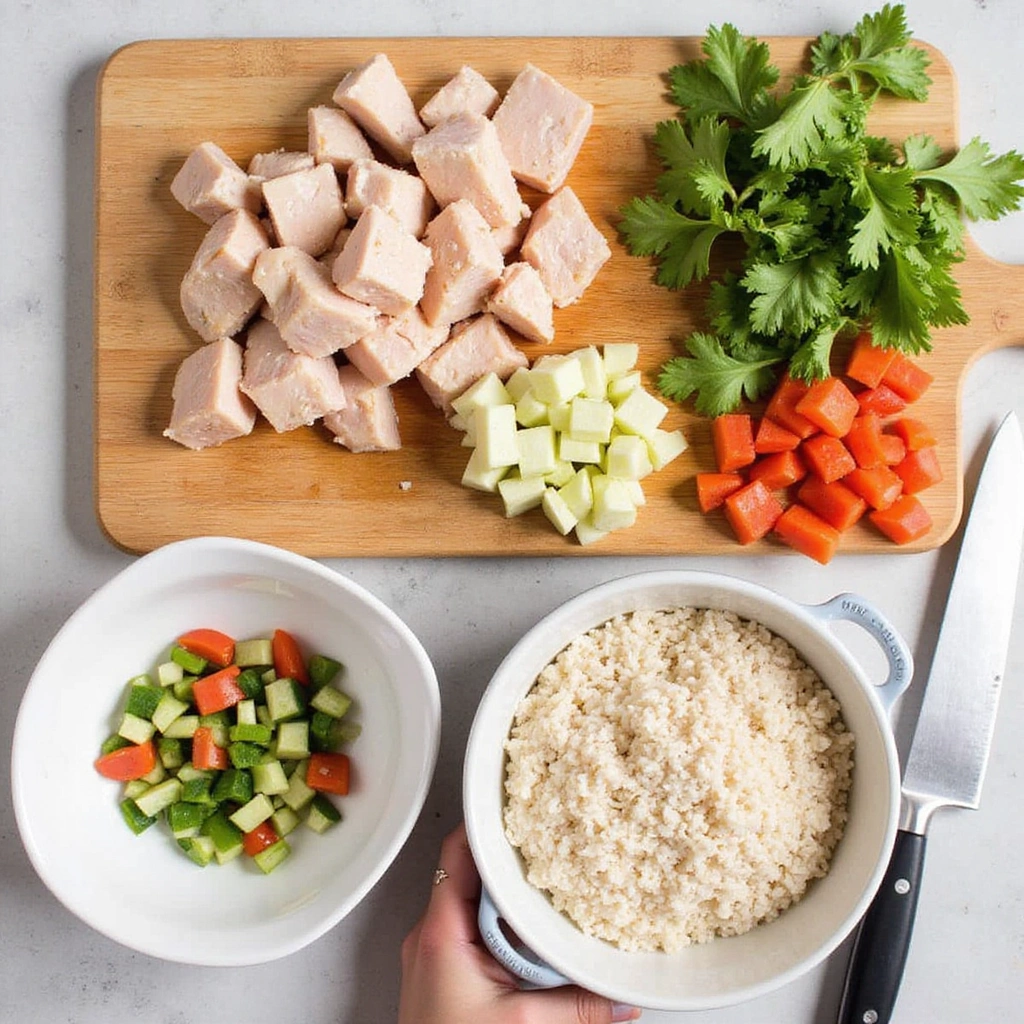
Begin by rinsing the wild rice under cold water to remove any excess starch.
Next, dice the chicken breast into bite-sized pieces and set aside.
Chop the onion, celery, and mushrooms to prepare for sautéing.
Having all ingredients prepped will streamline the cooking process and ensure even cooking.
Step 2: Sauté the Chicken
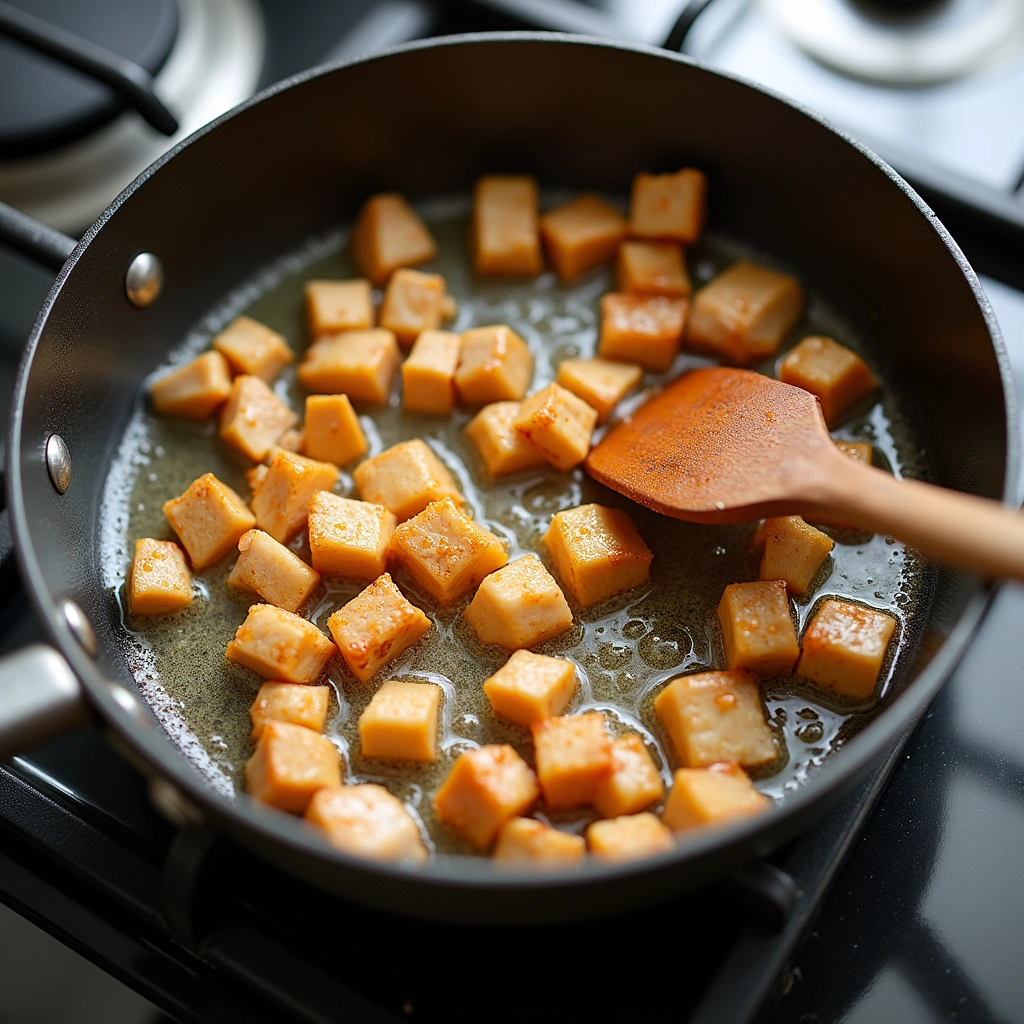
Heat a large skillet over medium-high heat and add a tablespoon of oil.
Once the oil is hot, add the diced chicken and cook until browned, about 5-7 minutes.
Stir occasionally to ensure even cooking and prevent sticking.
The chicken should be cooked through and no longer pink in the center.
Step 3: Sauté the Vegetables
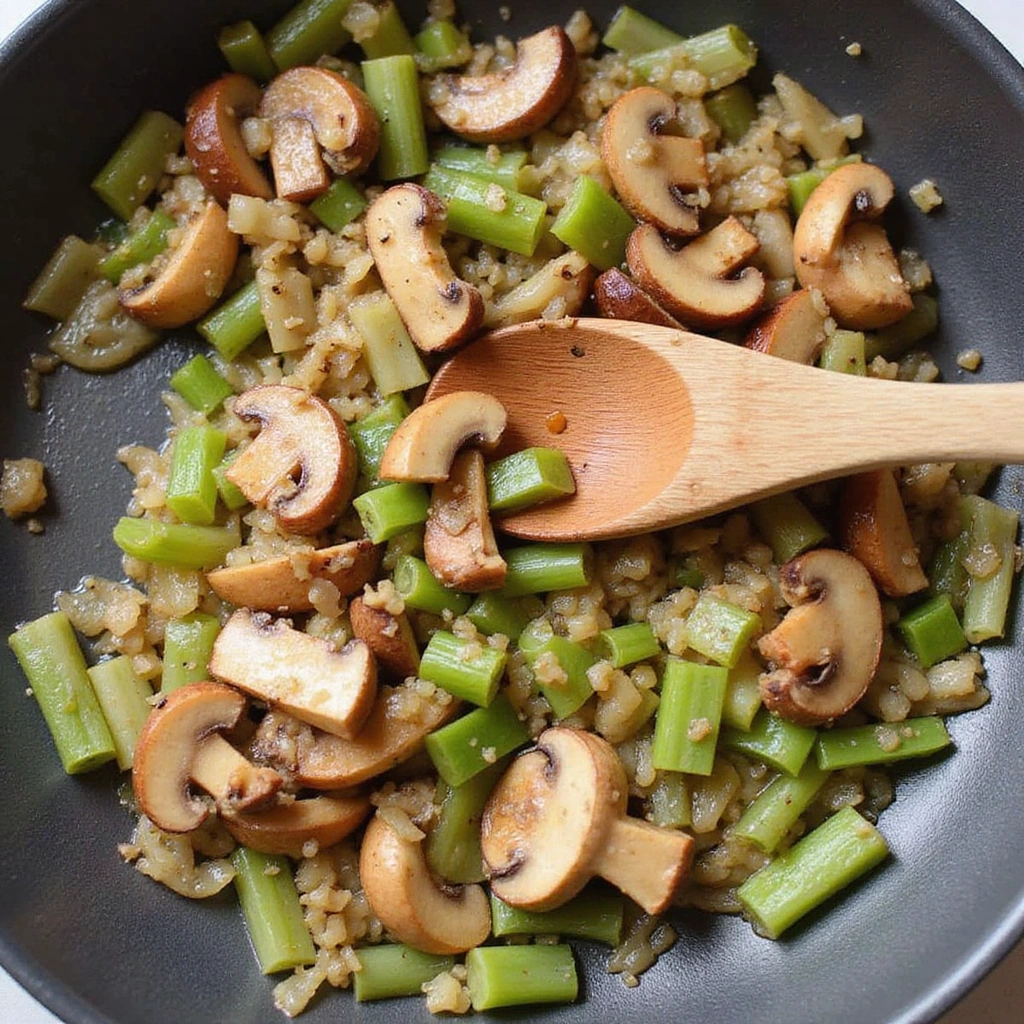
In the same skillet, add the chopped onion, celery, and mushrooms after removing the chicken.
Sauté the vegetables for about 5 minutes until they are softened and fragrant.
Make sure to stir frequently to prevent any browning too quickly.
The vegetables should be tender yet still vibrant in color.
Step 4: Prepare the Sauce
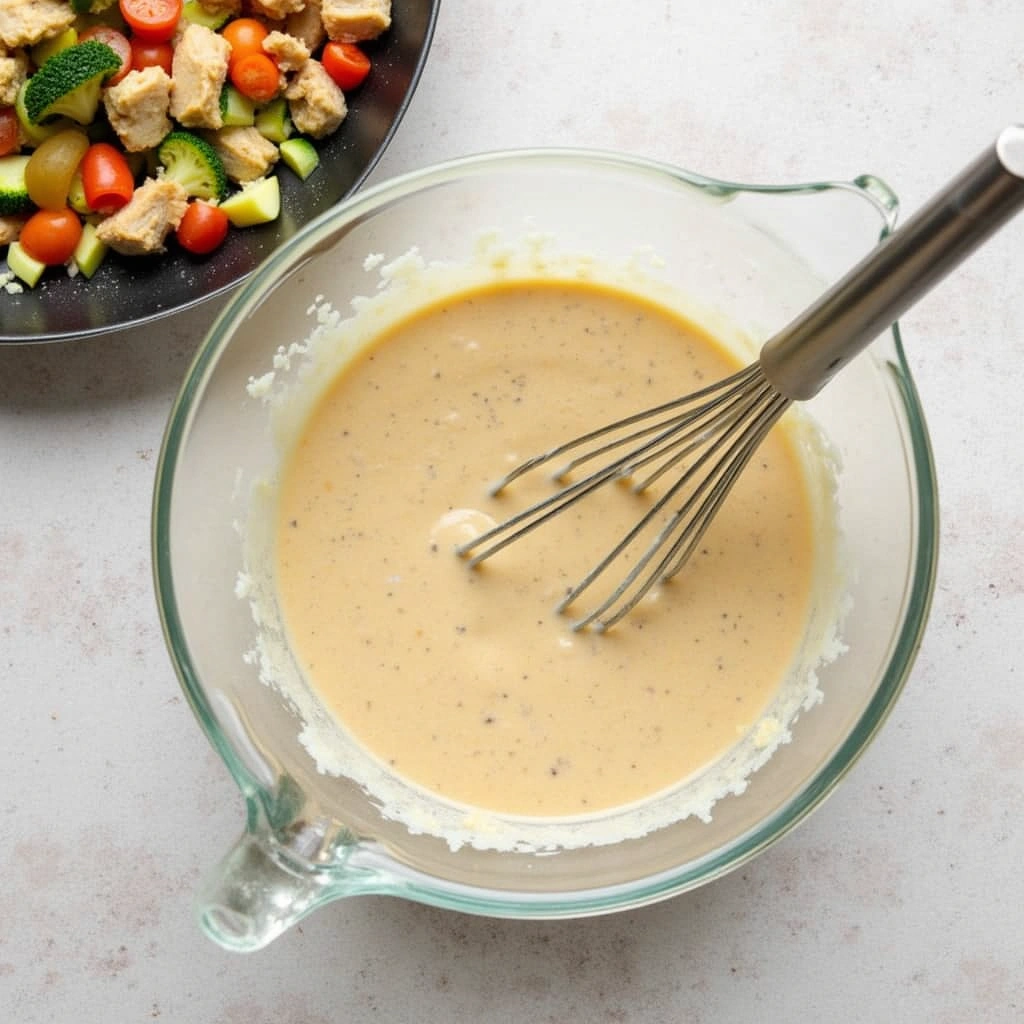
In a large mixing bowl, combine the cream of mushroom soup and chicken broth.
Whisk until smooth to eliminate any lumps.
Add the sautéed chicken and vegetables to the bowl, stirring to coat everything evenly.
This mixture will form the creamy base of the casserole.
Step 5: Combine the Ingredients
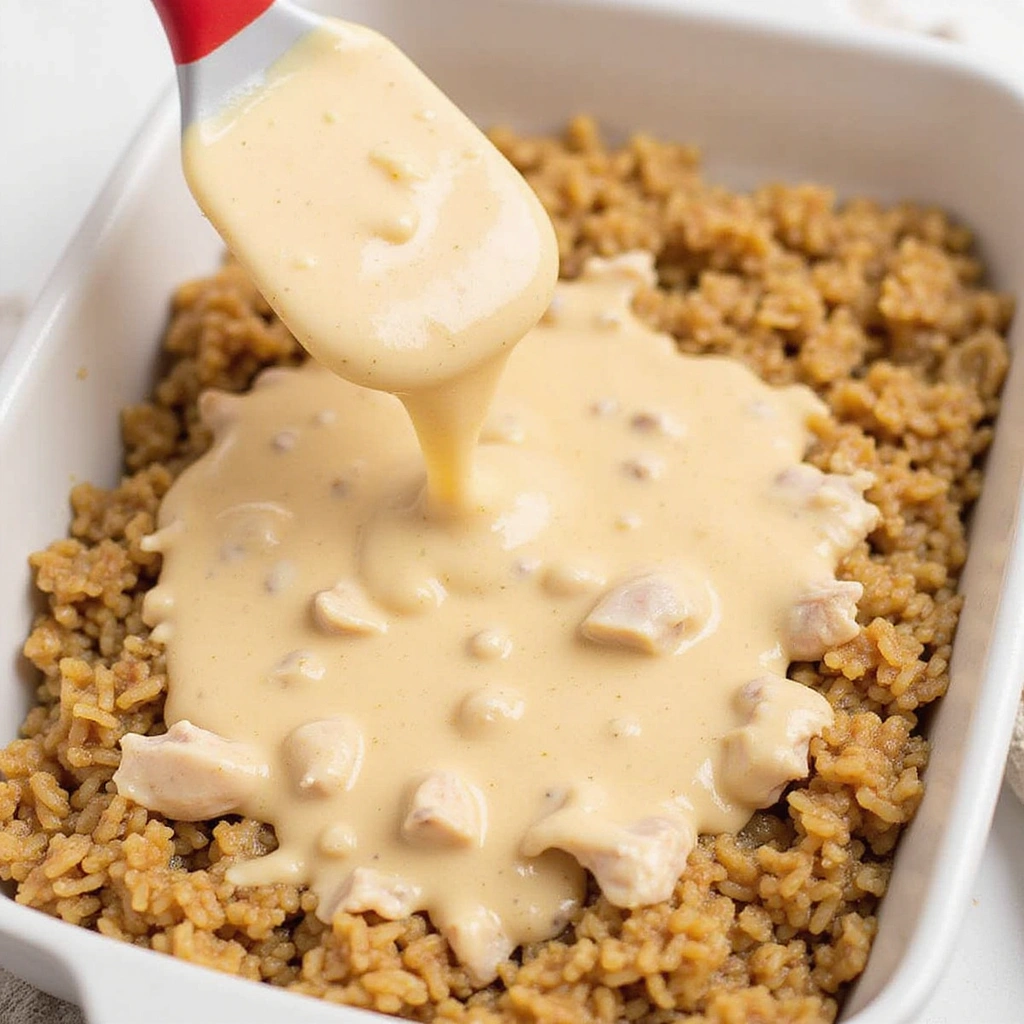
In a large casserole dish, spread the rinsed wild rice evenly across the bottom.
Pour the creamy chicken and vegetable mixture over the rice, spreading it out evenly.
Use a spatula to gently mix the ingredients together without disturbing the rice too much.
This ensures that the rice will absorb the flavors while baking.
Step 6: Season the Mixture
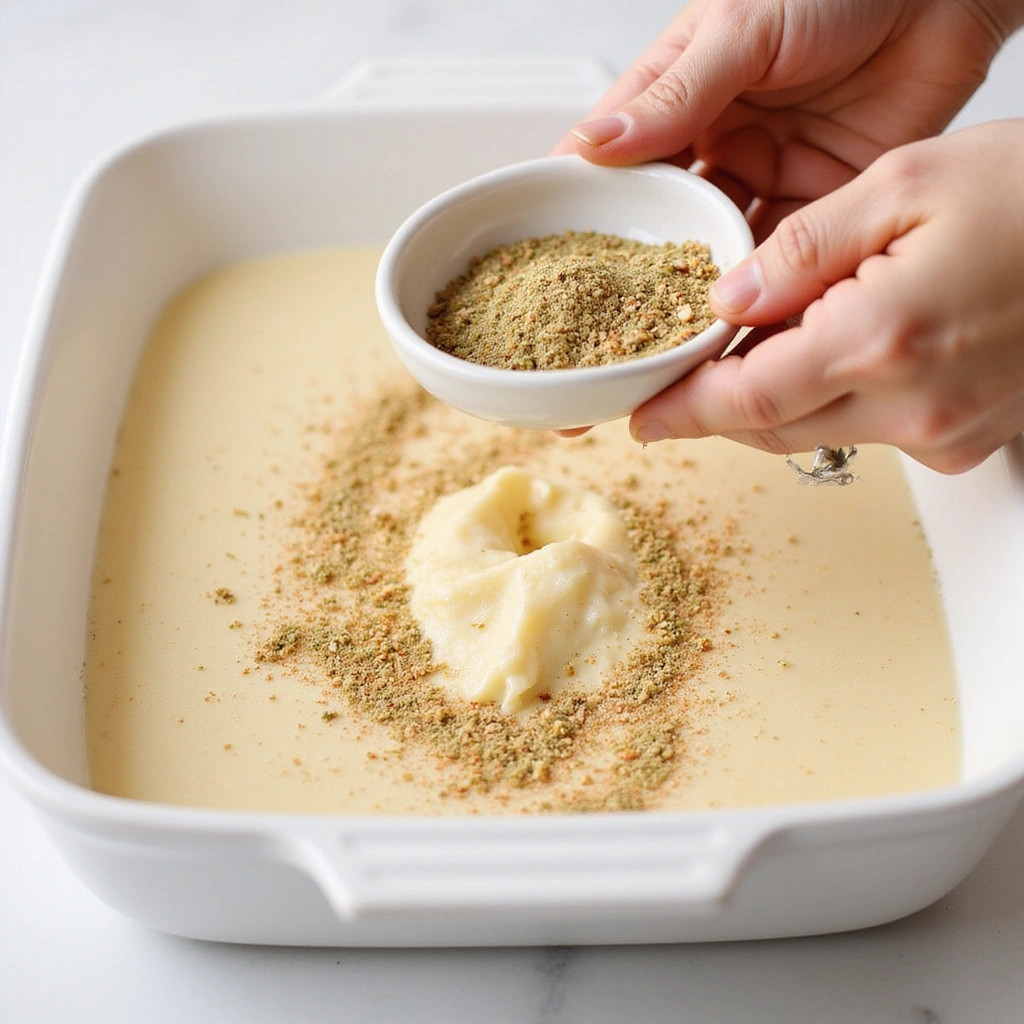
Sprinkle garlic powder, black pepper, and salt over the combined ingredients in the casserole dish.
This adds essential flavor to the casserole and enhances the overall taste.
Use a spoon to fold the seasonings into the mixture gently.
Be careful not to disturb the layers too much; you want to keep the rice intact.
Step 7: Cover and Bake
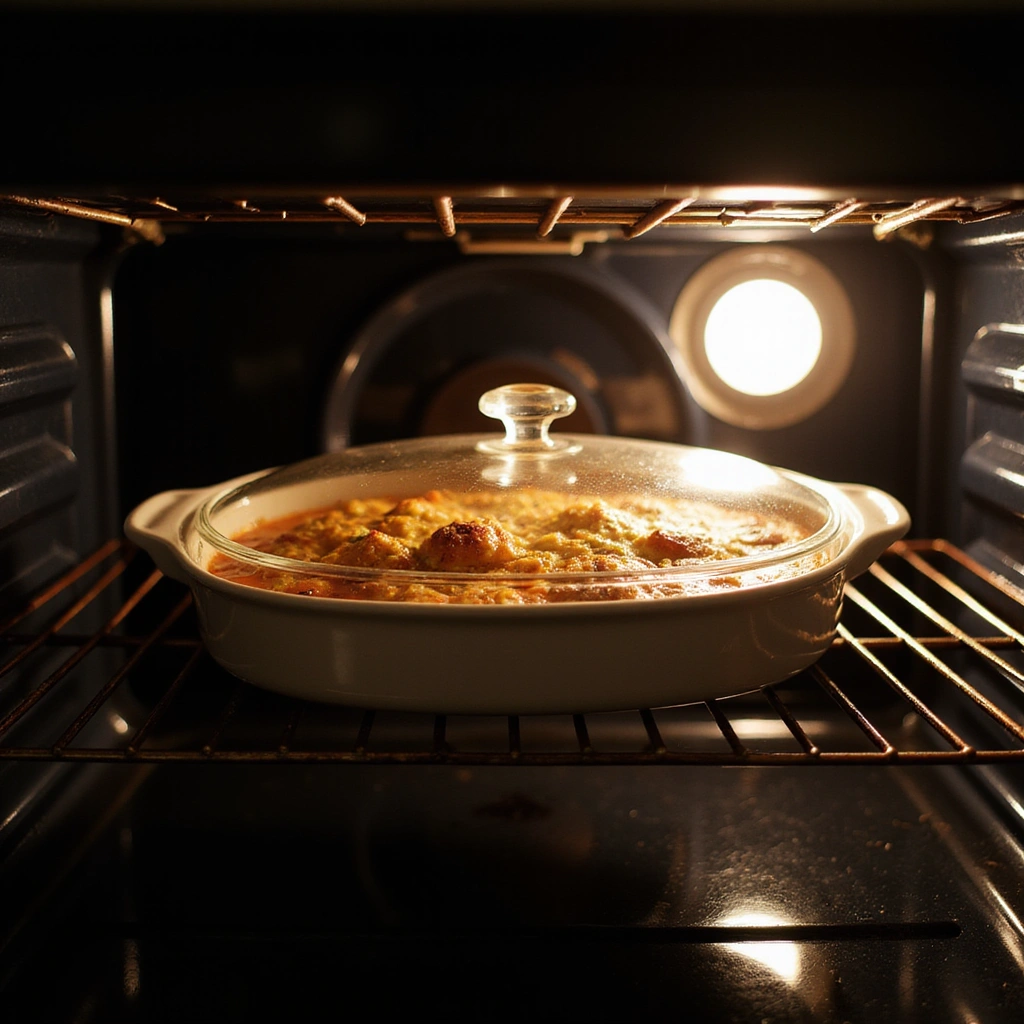
Preheat your oven to 350°F (175°C).
Cover the casserole dish with aluminum foil to retain moisture during the initial baking phase.
Place it in the preheated oven and bake for 30 minutes.
This will allow the rice to cook and absorb the flavors from the sauce.
Step 8: Uncover and Finish Baking
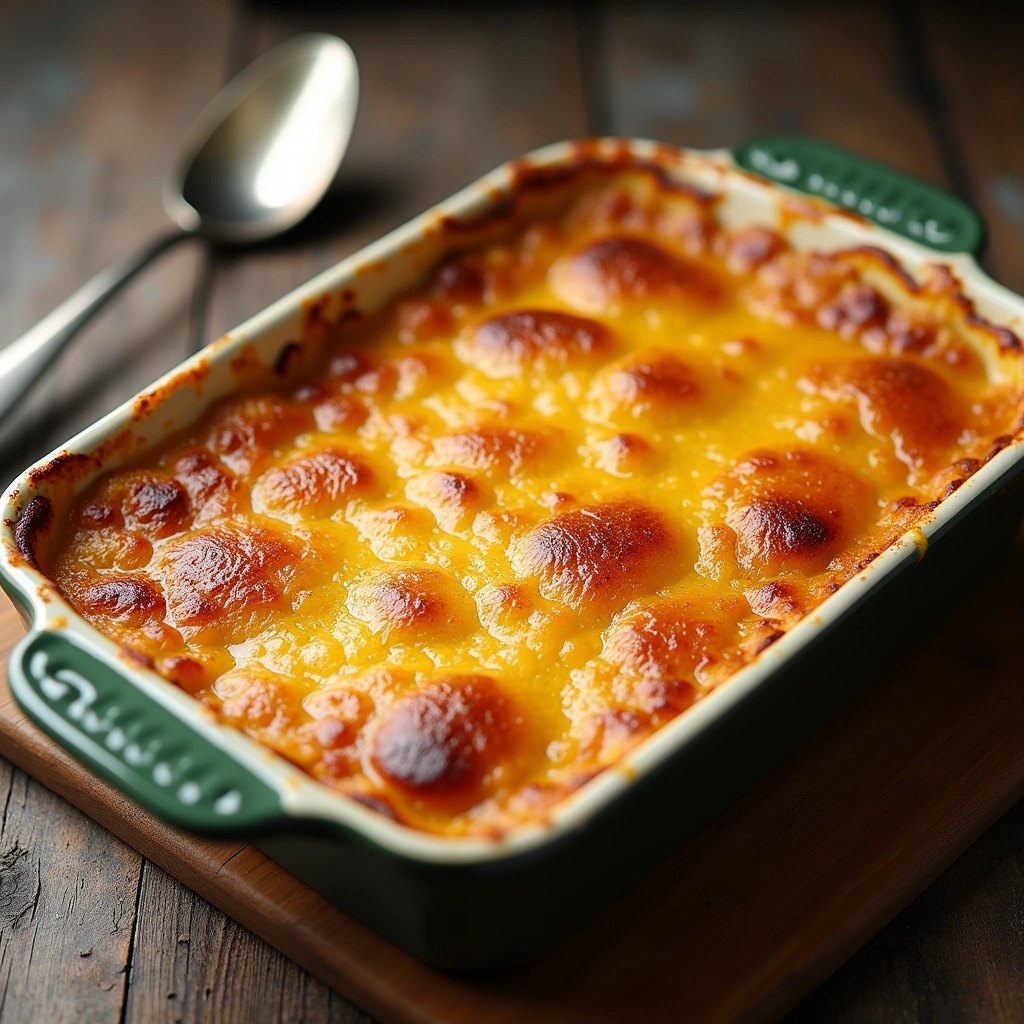
After 30 minutes, carefully remove the foil from the casserole dish.
Return it to the oven and bake uncovered for an additional 15-20 minutes.
This will help create a slightly crispy top and allow excess moisture to evaporate.
The casserole is ready when the top is golden and bubbly.
Step 9: Let it Cool
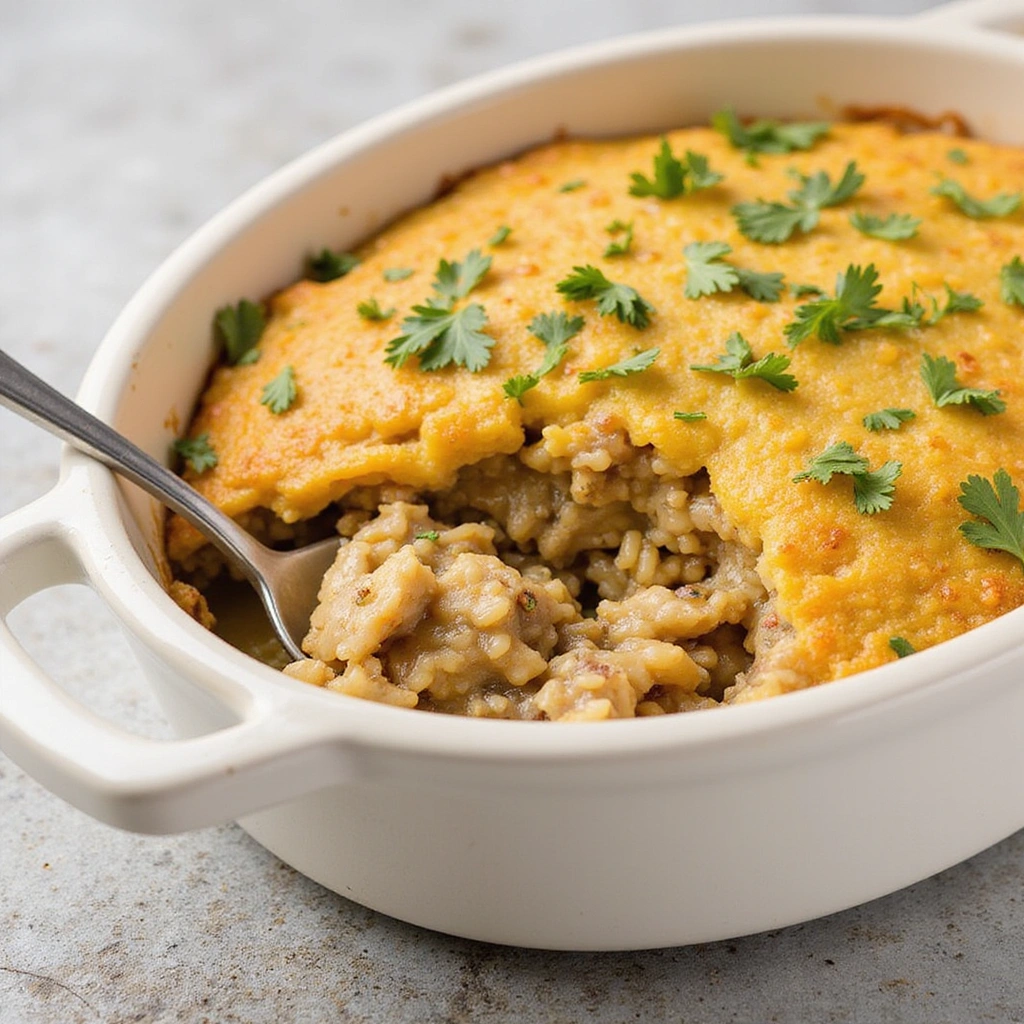
Once removed from the oven, let the casserole cool for about 10 minutes before serving.
This cooling period allows the flavors to settle and makes serving easier.
Garnish with fresh parsley or thyme for added color and flavor.
This is the perfect time to set the table and prepare for a delicious meal.
Critical Timing and Temperature Guide
Baking: Bake at 350°F (175°C) for 30 minutes covered, then 15-20 minutes uncovered. Look for a bubbling top and golden color as indicators of doneness. Avoid overcooking, as this can dry out the casserole.
Sautéing: When sautéing the chicken, aim for a cooking time of 5-7 minutes until the chicken is no longer pink. Ensure that the skillet is hot enough to sear the meat without burning.
Cooling: Allow the casserole to cool for at least 10 minutes post-baking. This resting time ensures the dish holds its shape when serving and allows flavors to meld.
Pro Tips for Chicken And Wild Rice Casserole Recipes Creamy & Hearty
• Ingredient Selection: Use high-quality chicken breasts and organic cream of mushroom soup for the best flavor.
• Preparation Secret: Add a splash of white wine to the sauce for an unexpected depth of flavor.
• Temperature Management: Ensure all ingredients are at room temperature before mixing to promote more even cooking.
• Texture Enhancement: Consider adding a layer of crushed crackers or breadcrumbs on top for an extra crunchy finish.
• Flavor Layering: Try adding fresh herbs like thyme or rosemary to the sauce for added aroma and taste.
• Make-Ahead Strategies: Prepare the casserole the night before and refrigerate, then bake when ready to serve.
• Restaurant-Quality Finishing Touches: Drizzle with a little truffle oil before serving for a gourmet twist.
• Equipment Optimization: Use a heavy-bottomed skillet for sautéing to ensure even heat distribution.
Troubleshooting Common Issues
• Texture Too Dense: This can occur if the rice is overcooked or if too much liquid is added. If you notice this, reduce the amount of broth next time or check the rice for doneness before mixing.
• Flavors Unbalanced: If the dish tastes bland, it may need more seasoning or acidity. Add a squeeze of lemon juice or a splash of vinegar to brighten flavors.
• Dry Casserole: This can happen if the casserole is baked too long. Keep an eye on it in the oven and cover with foil if it appears to be drying out.
• Chicken Undercooked: Always ensure the chicken is fully cooked before assembling. Use a meat thermometer to check for an internal temperature of 165°F (75°C).
• Rice Not Fully Cooked: If the rice is still crunchy after baking, it may need more liquid or time in the oven. Consider adding a bit more broth and covering it to steam the rice further.
Variations and Regional Differences
• Minnesota Wild Rice Casserole: This version often includes additional ingredients like cranberries and nuts, adding a sweet and nutty element to the dish.
• Southern Chicken and Rice Casserole: Typically uses white rice instead of wild rice and incorporates ingredients like cream cheese for extra creaminess.
• Vegetarian Wild Rice Casserole: Substitutes chicken with hearty vegetables like zucchini and bell peppers, maintaining the creamy texture with alternative cream soups.
• Modern Interpretations: Some contemporary versions use quinoa instead of rice or incorporate plant-based proteins for a healthier, vegan option.
Food Science Behind the Recipe
• Gelatinization: This occurs when the starches in the wild rice absorb liquid and swell during cooking, creating a creamy texture that binds the casserole together.
• Maillard Reaction: This chemical reaction happens when the chicken is sautéed, giving it a rich flavor and appealing browning that enhances overall taste.
• Emulsification: The combination of cream of mushroom soup and chicken broth creates an emulsion, allowing for a smooth and creamy sauce that coats the other ingredients evenly.
Frequently Asked Questions
What’s the most common mistake people make when preparing Chicken and Wild Rice Casserole? Overcooking the rice before baking can lead to a mushy texture. Always check for doneness before mixing.
Can I prepare components of this dish in advance? Yes, you can chop the vegetables and dice the chicken a day ahead and store them in the fridge. Assemble the casserole shortly before baking.
How do I adapt this recipe for dietary restrictions? Substitute chicken with tofu for a vegetarian option or use gluten-free cream of mushroom soup for a gluten-free version.
What’s the best way to store and reheat leftovers? Store in an airtight container in the fridge for up to 3 days. Reheat in the oven at 350°F (175°C) until warmed through.
Can I freeze this dish? Yes, it freezes well. Assemble and cover tightly with foil before freezing. Thaw in the fridge overnight before baking.
What wine or beverages pair best with this dish? A light white wine like Chardonnay complements the creaminess of the casserole beautifully.
How can I scale this recipe up for a crowd? Simply double the ingredients and use a larger casserole dish, adjusting the baking time as necessary to ensure even cooking.
What side dishes complement this recipe best? A fresh green salad or steamed vegetables provide a nice contrast to the richness of the casserole.
How do professional chefs elevate this dish for restaurant service? They often add gourmet touches like truffle oil or fresh herbs for garnish, enhancing both flavor and presentation.
Serving and Presentation Guide
• Traditional Presentation: Serve the casserole in the baking dish, garnished with fresh parsley or thyme for a pop of color. Use a large serving spoon to allow guests to help themselves.
• Modern Plating Ideas: For a contemporary twist, plate individual portions in white bowls, drizzling with a bit of cream or truffle oil for an elegant touch.
• Accompaniment Suggestions: Pair with a simple arugula salad dressed with lemon vinaigrette to balance the richness of the casserole.
• Special Occasion Presentation: For formal settings, consider using a decorative serving platter and adding edible flowers or microgreens for an upscale look.
Conclusion
Chicken and Wild Rice Casserole is more than just a meal; it’s a dish that brings people together around the table.
I encourage you to try this recipe and experience the warmth and comfort it offers.
With its creamy texture and hearty flavors, it’s bound to become a favorite in your household.