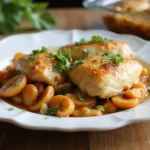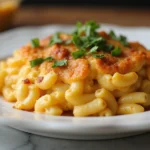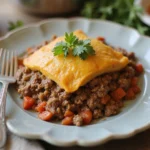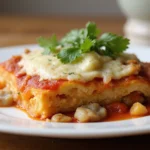
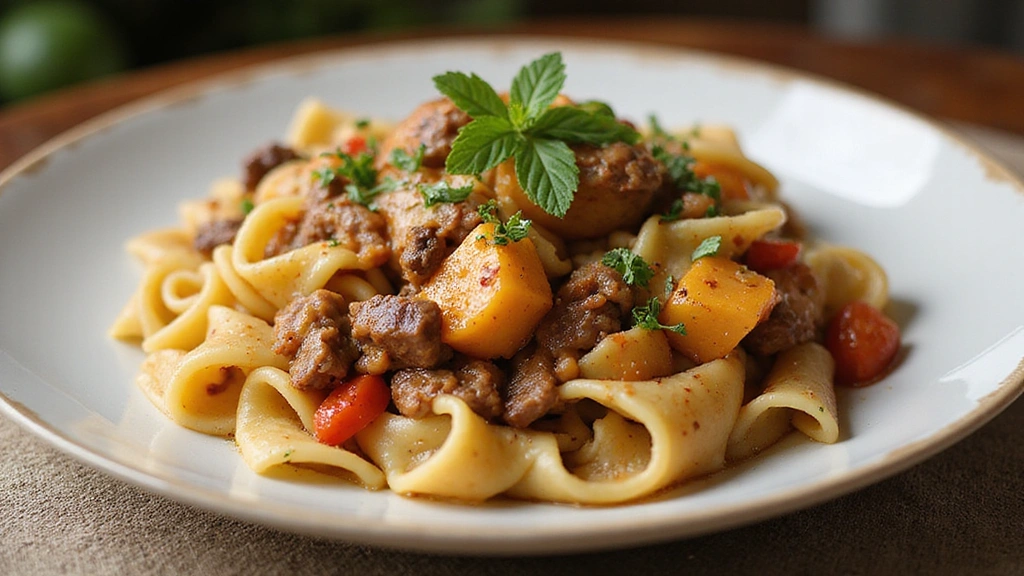
Beef and Noodle Casserole is a beloved comfort food that warms both the heart and the stomach.
The rich, savory flavors of tender beef, creamy sauce, and hearty noodles create a nostalgic experience that reminds many of family gatherings and cozy dinners.
I first encountered this dish at a family potluck, where every bite felt like a warm hug on a chilly evening.
Perfect for those busy weeknights or a laid-back weekend meal, this casserole is as satisfying as it is easy to prepare.
The History and Cultural Significance
• Beef and Noodle Casserole traces its origins to American home cooking, becoming popular in the mid-20th century during the rise of convenience foods.
• The dish evolved over decades as families sought quick and hearty meals, integrating pantry staples like canned soup and dried pasta.
• In American households, this dish traditionally appears at potlucks and family gatherings, symbolizing comfort and togetherness.
• While many variations exist across different homes, the authentic version maintains its core ingredients of beef, noodles, and a creamy sauce that sets it apart from imitations.



Recipe Overview
Nutritional Information (per serving)
Ingredients


Essential Equipment Guide
Large Skillet: This versatile tool is crucial for browning the beef and sautéing vegetables. Look for a heavy-bottomed skillet that distributes heat evenly to prevent sticking and ensure proper cooking.
Baking Dish: A good-quality baking dish is essential for even cooking and easy transport. Opt for a glass or ceramic dish that can withstand high temperatures and provides a non-stick surface.
Wooden Spoon: This tool is perfect for stirring and mixing without damaging your cookware. Choose a sturdy wooden spoon that can withstand high heat and is comfortable to hold.
Preparation Methods
Browning the Beef: Browning the beef develops rich flavors through the Maillard reaction. Ensure the skillet is hot before adding the beef, allowing it to sear instead of steam. Break it into small pieces for even cooking and keep an eye on the color, aiming for a deep brown.
Cooking the Noodles: Cooking the noodles al dente is essential to prevent them from becoming mushy in the casserole. Follow the package instructions closely and remember that they will continue to cook in the oven. Drain and rinse them to stop the cooking process before mixing with the sauce.
Layering Ingredients: Proper layering ensures even distribution of flavors throughout the casserole. Start with a layer of beef, then noodles, and finally the sauce, repeating as necessary. This technique creates a harmonious blend of flavors.


Step 1: Prepare Ingredients

Gather all necessary ingredients before starting.
This will streamline the cooking process and ensure you don’t forget any components.
Chop the onion and measure out the peas and seasonings.
Having everything ready will help you focus on cooking without interruptions.


Step 2: Brown the Beef
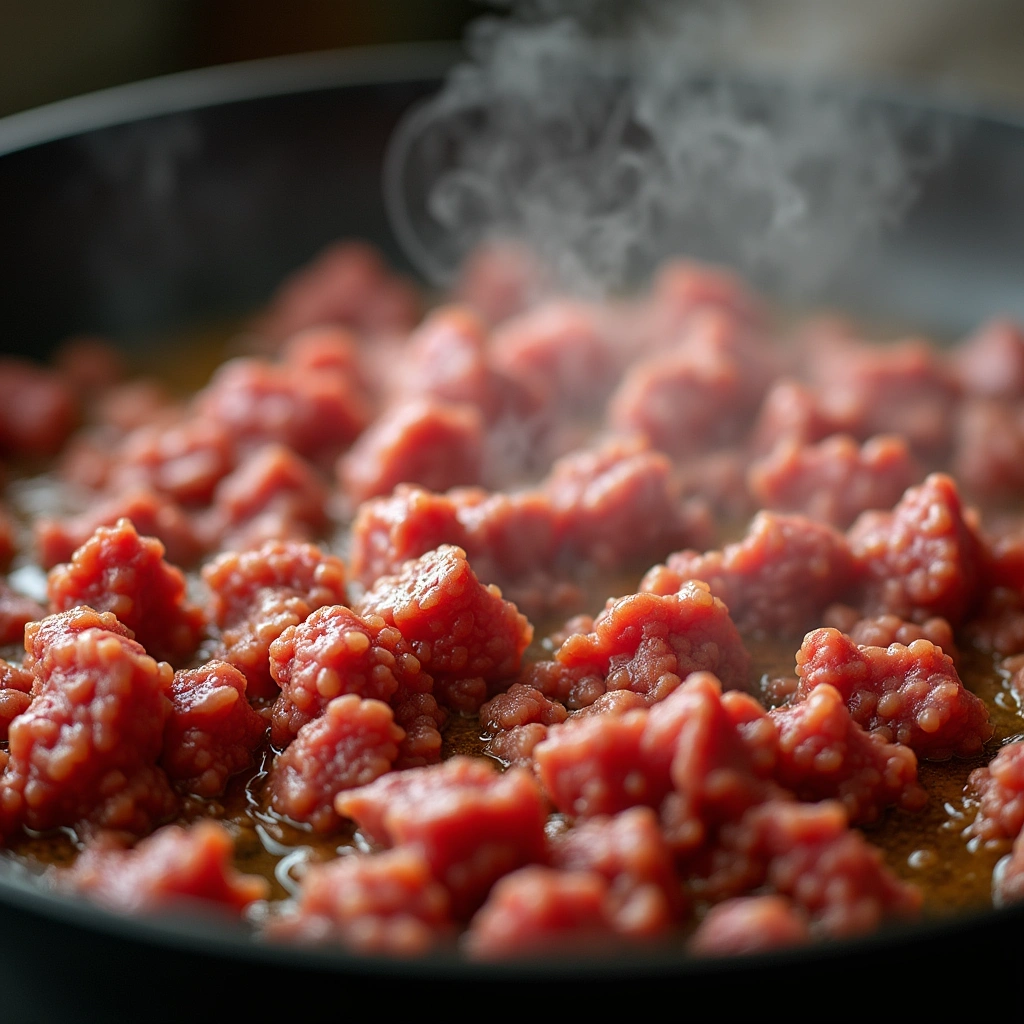
Heat the skillet over medium-high heat and add the ground beef.
Break it up with a wooden spoon and cook until browned, about 5-7 minutes.
Make sure to drain any excess grease for a healthier dish.
Look for a deep brown color to ensure maximum flavor development.
Step 3: Sauté the Onions
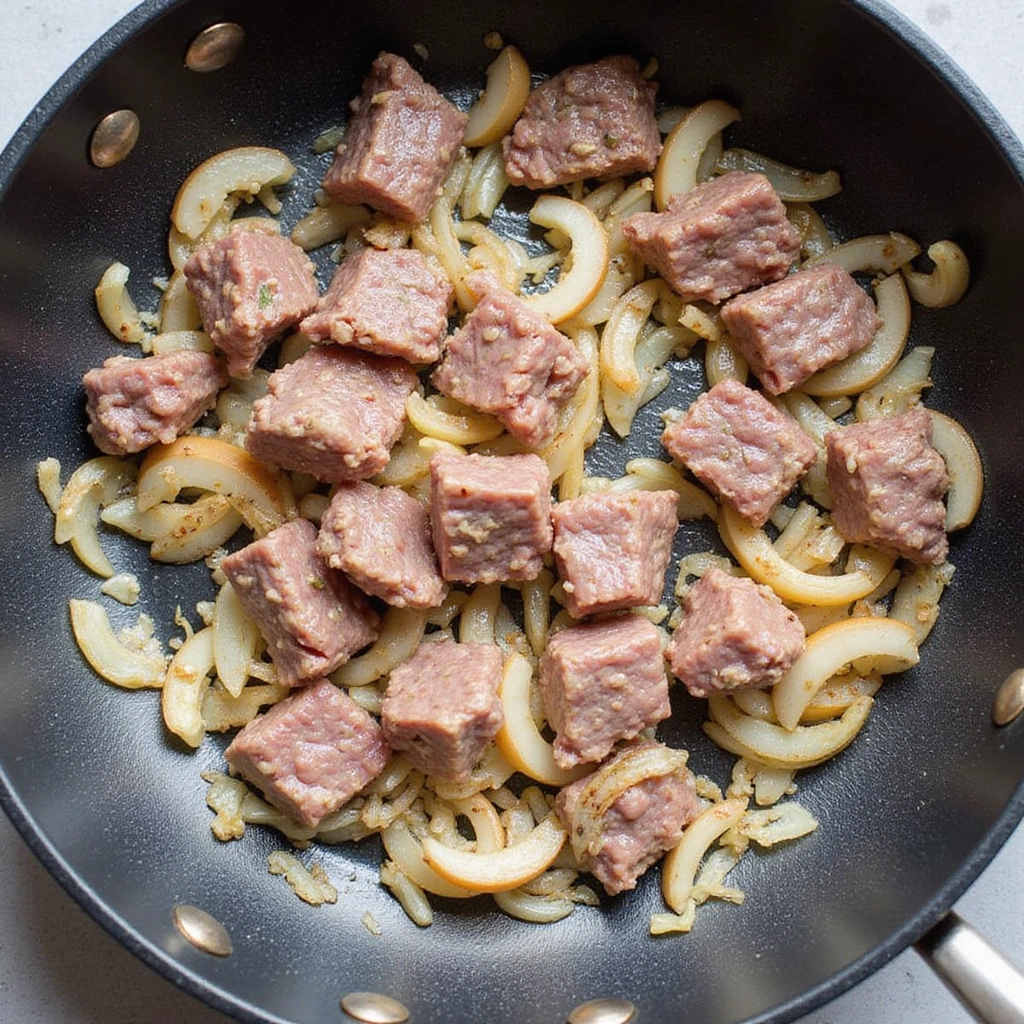
Add the chopped onion to the skillet with the browned beef.
Cook until the onions are translucent and soft, about 3-4 minutes.
Stir occasionally to prevent sticking and ensure even cooking.
This step adds sweetness and depth to the casserole.
Step 4: Prepare the Sauce
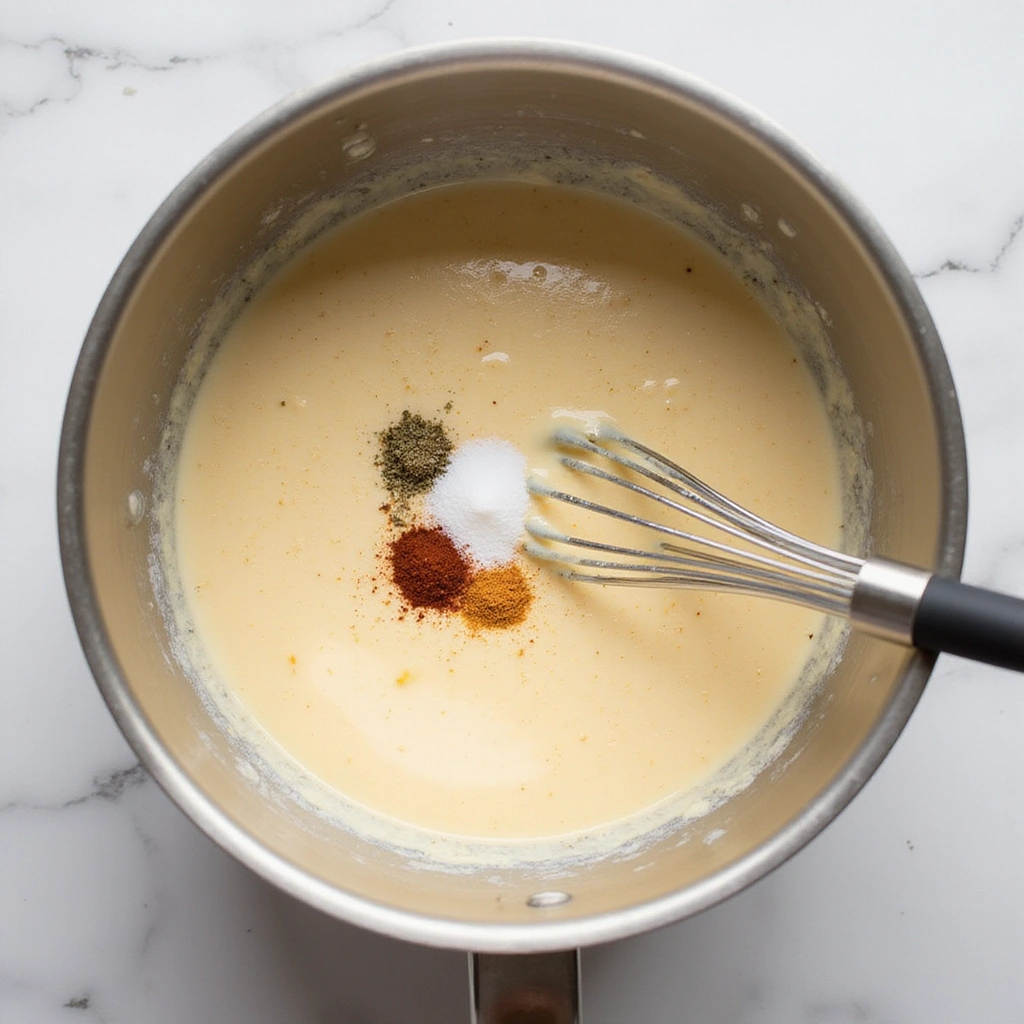
In a large bowl, combine the cream of mushroom soup and milk.
Stir until the mixture is smooth and well-blended.
Add garlic powder, salt, and pepper to season the sauce.
This creamy base is what makes the casserole so comforting.


Step 5: Combine Ingredients
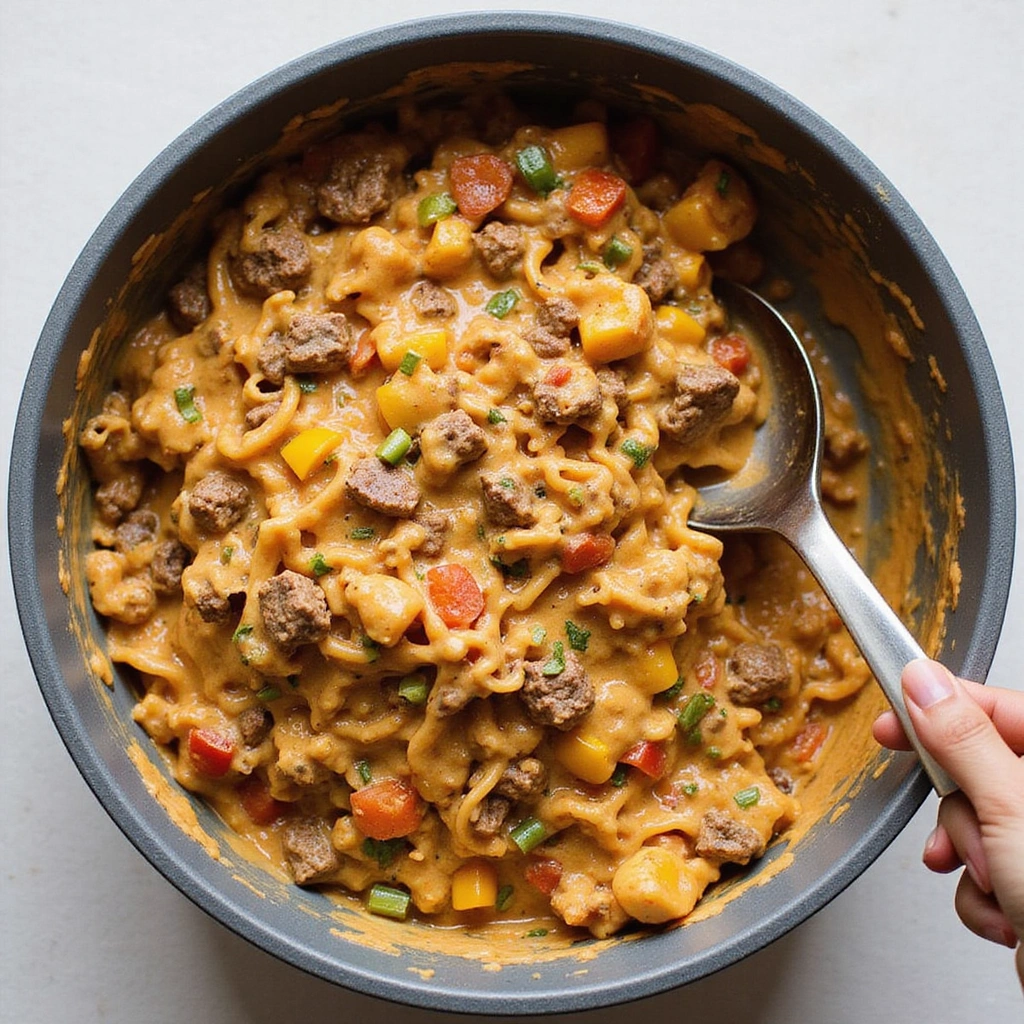
In a large mixing bowl, combine the cooked noodles, beef mixture, and sauce.
Gently stir until everything is evenly coated with the sauce.
Be careful not to break the noodles too much during mixing.
This step ensures that every bite will be flavorful.
Step 6: Transfer to Baking Dish
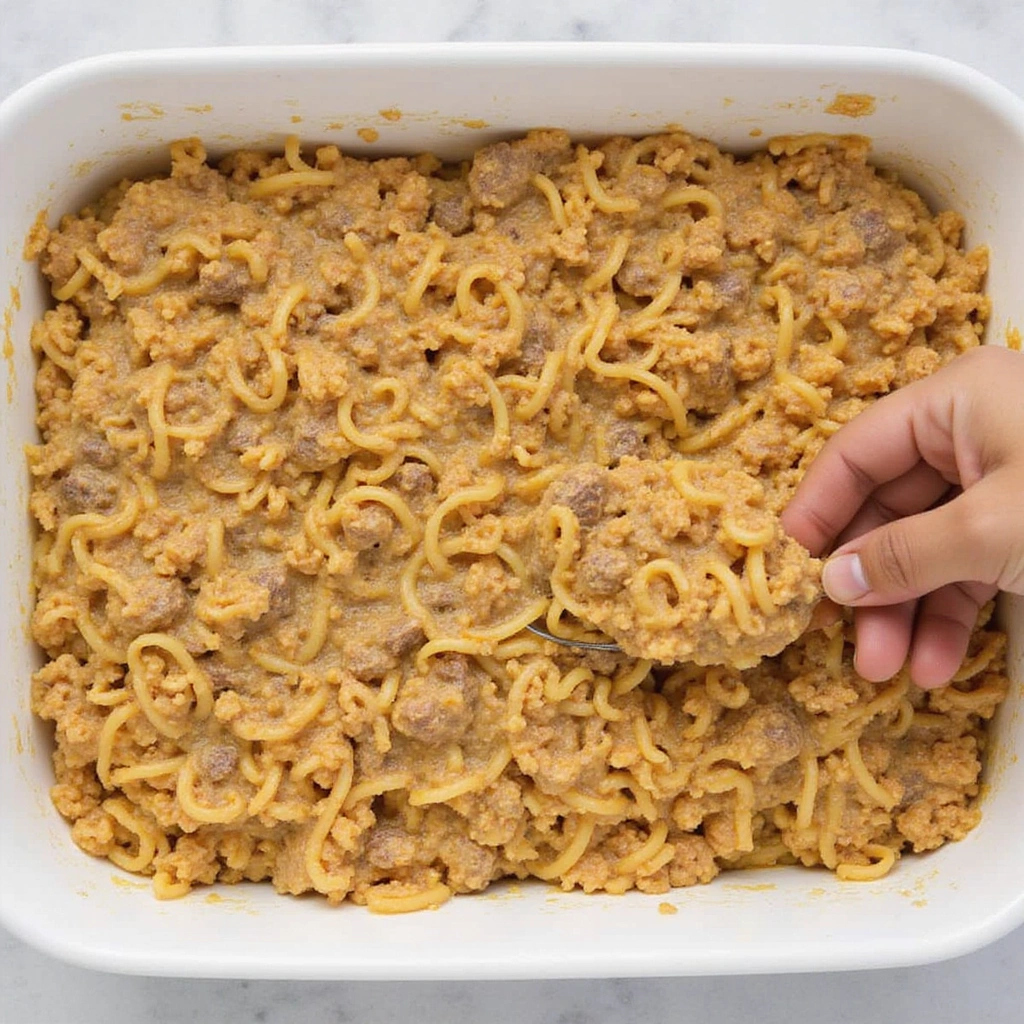
Preheat your oven to 350°F (175°C).
Pour the casserole mixture into a greased baking dish, spreading it evenly.
Make sure to smooth out the top for even cooking.
This will help the casserole bake uniformly and develop a nice crust.
Step 7: Bake the Casserole

Place the baking dish in the preheated oven and bake for 25-30 minutes.
Look for the top to be golden brown and bubbly.
This indicates that the casserole is heated through and the flavors have melded together.
Keep an eye on it to prevent over-browning.
Step 8: Let It Rest
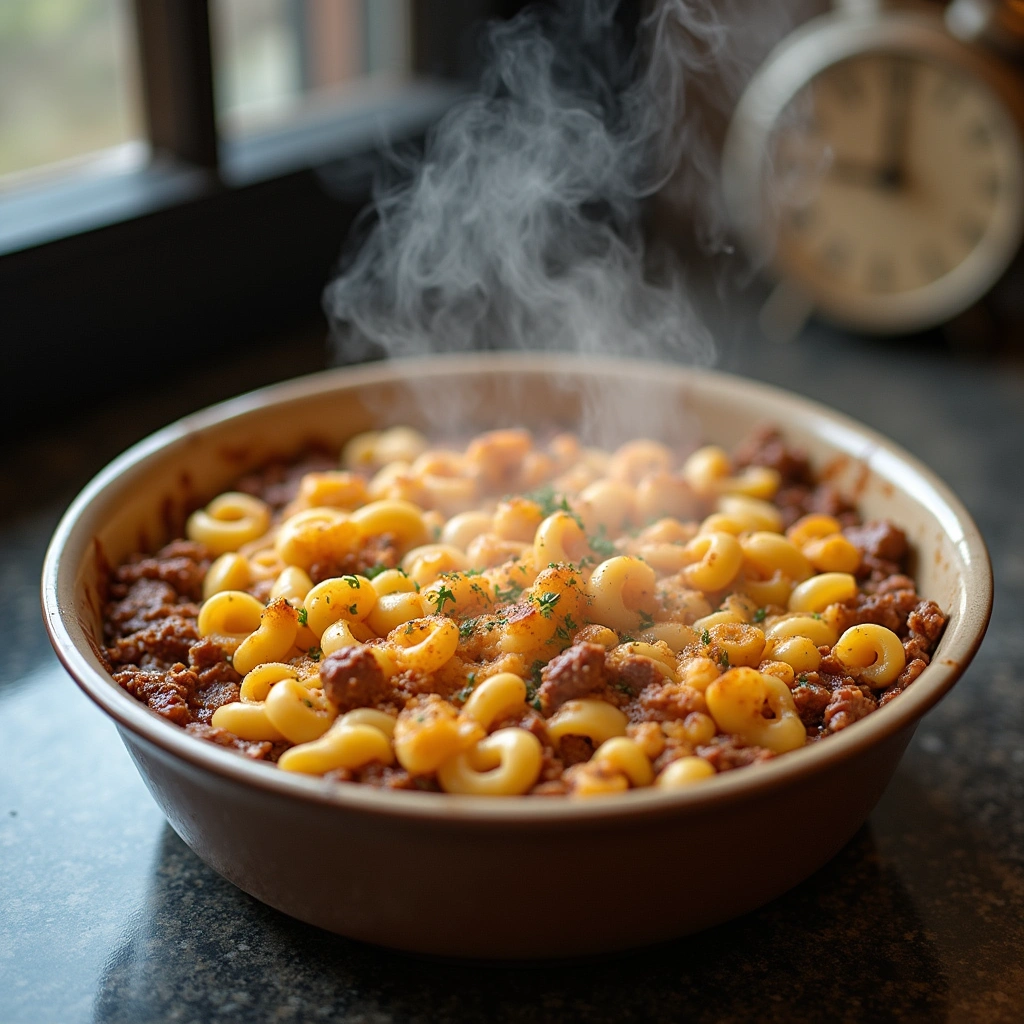
Once baked, remove the casserole from the oven carefully.
Let it rest for about 10 minutes before serving.
This resting time allows the sauce to thicken slightly and makes it easier to serve.
Cutting it too soon may cause the casserole to fall apart.
Critical Timing and Temperature Guide
Browning Beef: Aim for a medium-high heat, cooking for about 5-7 minutes until browned. Look for a deep brown color and avoid steaming by not overcrowding the skillet.
Baking the Casserole: Bake at 350°F (175°C) for 25-30 minutes. The casserole should be bubbling and golden on top, indicating it’s ready.
Resting Period: Allow 10 minutes of resting after baking. This helps the flavors meld and makes serving easier.
Pro Tips for Beef And Noodle Casserole Recipes Comfort Classic
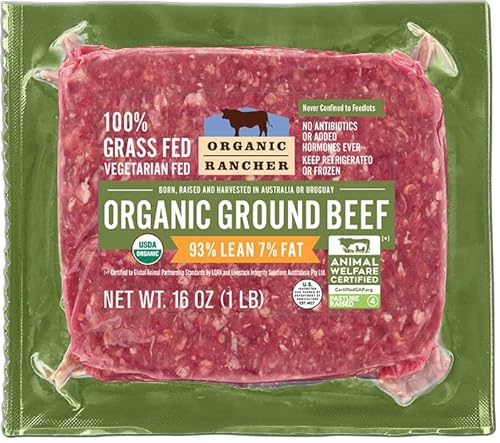
• Ingredient Selection: Opt for high-quality ground beef for the best flavor; lean beef reduces excess grease and enhances healthiness.
• Preparation Secret: Adding a splash of Worcestershire sauce into the beef while cooking adds depth to the flavor.
• Temperature Management: Allow ingredients to come to room temperature before combining; this ensures even cooking.
• Texture Enhancement: Use a mix of regular and whole wheat noodles for added texture and nutrition.
• Flavor Layering: Incorporate fresh herbs like parsley or thyme for a flavor boost.
• Make-Ahead Strategies: Assemble the casserole a day in advance, cover, and refrigerate; bake it fresh the next day.
• Restaurant-Quality Finishing Touches: Top with a sprinkle of cheddar cheese before baking for a delicious crust.
• Equipment Optimization: Use a non-stick skillet for browning to ease cleanup.
Troubleshooting Common Issues
• Texture Too Dense: This can happen if the noodles are overcooked before baking. Ensure to cook them al dente and mix gently.
• Flavors Unbalanced: If the casserole lacks flavor, consider adding more seasoning or fresh herbs to the sauce.
• Casserole Soggy: Excess moisture can lead to a soggy casserole. Drain noodles thoroughly and avoid using too much liquid in the sauce.
• Uneven Cooking: To prevent uneven cooking, ensure to spread the mixture evenly in the baking dish.
• Crust Not Browned: If the top doesn’t brown, increase the oven temperature slightly during the last few minutes of baking.
Variations and Regional Differences
• Tex-Mex Variation: Incorporate taco spices and black beans for a southwestern twist, topped with crushed tortilla chips.
• Italian Style: Add marinara sauce and Italian herbs, substituting beef with Italian sausage for a different flavor profile.
• Vegetarian Option: Replace beef with lentils or mushrooms and use vegetable broth for a hearty, meat-free alternative.
• Modern Interpretations: Use whole grain noodles and Greek yogurt in place of sour cream for a healthier version.


Food Science Behind the Recipe
• Maillard Reaction: This occurs when browning meat, creating complex flavors and aromas that enhance the dish’s overall taste.
• Gelatinization: Cooking the noodles causes starch granules to absorb water and swell, creating a creamy texture when mixed with the sauce.
• Emulsification: Combining dairy products with fat from the beef creates a smooth sauce; this is critical for achieving a cohesive texture in the casserole.
Frequently Asked Questions
What’s the most common mistake people make when preparing Beef and Noodle Casserole? Overcooking the noodles can lead to a mushy texture; always cook them al dente.
Can I prepare components of this dish in advance? Yes, you can prepare the beef and sauce a day ahead and assemble them the next day.
How do I adapt this recipe for dietary restrictions? Substitute beef with plant-based protein and use gluten-free noodles for gluten sensitivity.
What’s the best way to store and reheat leftovers? Store in an airtight container in the fridge for up to 3 days; reheat in the oven at 350°F until warmed through.
Can I freeze this dish? Yes, freeze before baking; thaw in the fridge overnight and bake as directed.
What wine or beverages pair best with this dish? A medium-bodied red wine like Merlot complements the savory flavors.
How can I scale this recipe up for a crowd? Simply double the ingredients and use a larger baking dish, adjusting cooking time as necessary.
What side dishes complement this recipe best? Serve with a fresh green salad or garlic bread for a complete meal.
How do professional chefs elevate this dish for restaurant service? Chefs often add a gourmet touch with homemade sauces or unique toppings like truffle oil.
Serving and Presentation Guide
• Traditional Presentation: Serve directly from the baking dish, garnished with fresh parsley on top for a pop of color.
• Modern Plating Ideas: Plate individual servings in stylish bowls, drizzling with a bit of cream for an elegant touch.
• Accompaniment Suggestions: Pair with crusty bread or a light salad to contrast the richness of the casserole.
• Special Occasion Presentation: Use a decorative serving dish and add a sprinkle of cheese on top just before serving for an impressive finish.
Conclusion
I hope you give this Beef and Noodle Casserole a try in your own kitchen.
Its comforting flavors and simple preparation make it a perfect addition to any family meal.
Enjoy the warm, nostalgic memories that come with every bite.