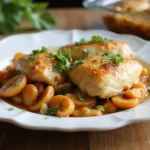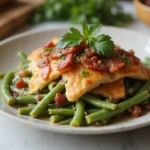
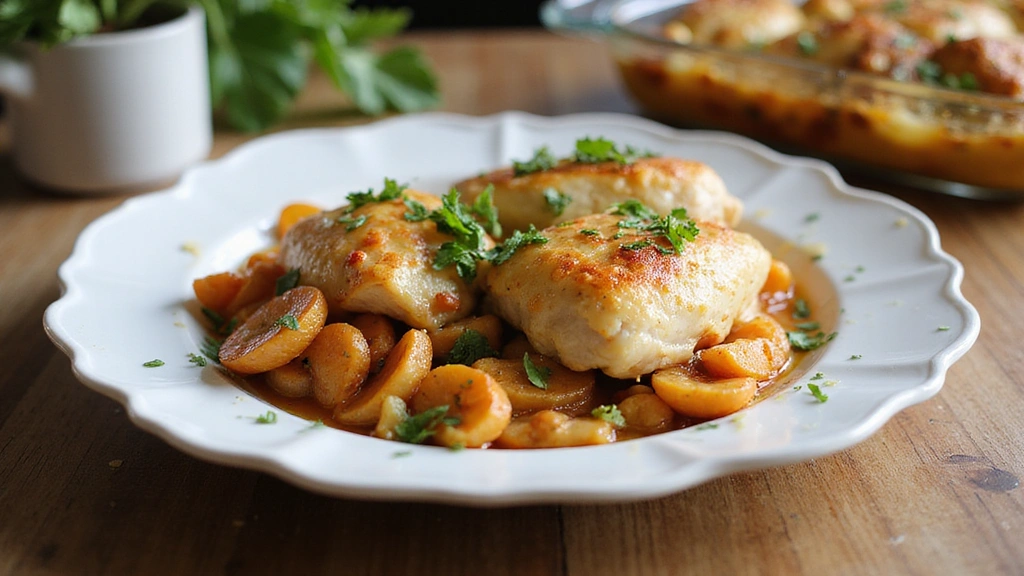
Boneless skinless chicken thigh casserole is the epitome of comfort food, perfect for cozy family dinners and gatherings.
This dish combines tender chicken thighs with rich flavors and creamy textures, creating a warming experience that soothes the soul.
I often find myself reminiscing about the times my family would gather around the table, sharing stories over a hearty casserole.
Whether you’re serving it on a chilly evening or for a special occasion, this casserole is sure to impress with its simplicity and taste.
The History and Cultural Significance
• Boneless Skinless Chicken Thigh Casserole Recipes Comfort Meal traces its origins to American home cooking in the mid-20th century, reflecting the era’s focus on convenience and flavor.
• The dish evolved over decades as families sought ways to make hearty meals with minimal preparation, eventually becoming a staple in many households.
• In American culture, this dish traditionally appears at family gatherings, potlucks, and comfort food nights, symbolizing warmth and togetherness.
• While many variations exist across different regions, the authentic version maintains its creamy consistency and savory flavors that set it apart from imitations.


Recipe Overview
Nutritional Information (per serving)
Ingredients


Essential Equipment Guide
9×13-inch Casserole Dish: This dish is crucial for even cooking and presentation. Look for one that is made of durable glass or ceramic to retain heat and allow for easy serving.
Skillet: A heavy-bottom skillet is important for browning the chicken and sautéing vegetables, which adds depth of flavor. Non-stick options can help prevent sticking, but cast iron provides excellent heat retention.
Mixing Bowl: A large mixing bowl is necessary for combining ingredients before baking. Choose one that is sturdy and suitable for both hot and cold ingredients.
Preparation Methods
Browning the Chicken: This technique involves cooking the chicken thighs in a skillet until golden brown, sealing in juices and enhancing flavor. Ensure the skillet is hot enough to sear the meat without steaming it.
Sautéing Vegetables: Sautéing involves cooking vegetables quickly in a small amount of fat, which brings out their natural sweetness and adds layers of flavor. Stir frequently to prevent burning and achieve even cooking.
Layering Ingredients: This refers to the method of arranging ingredients in the casserole dish to ensure even cooking and flavor distribution. Start with rice, followed by chicken, then vegetables and sauce for the best results.
Step 1: Prepare Ingredients
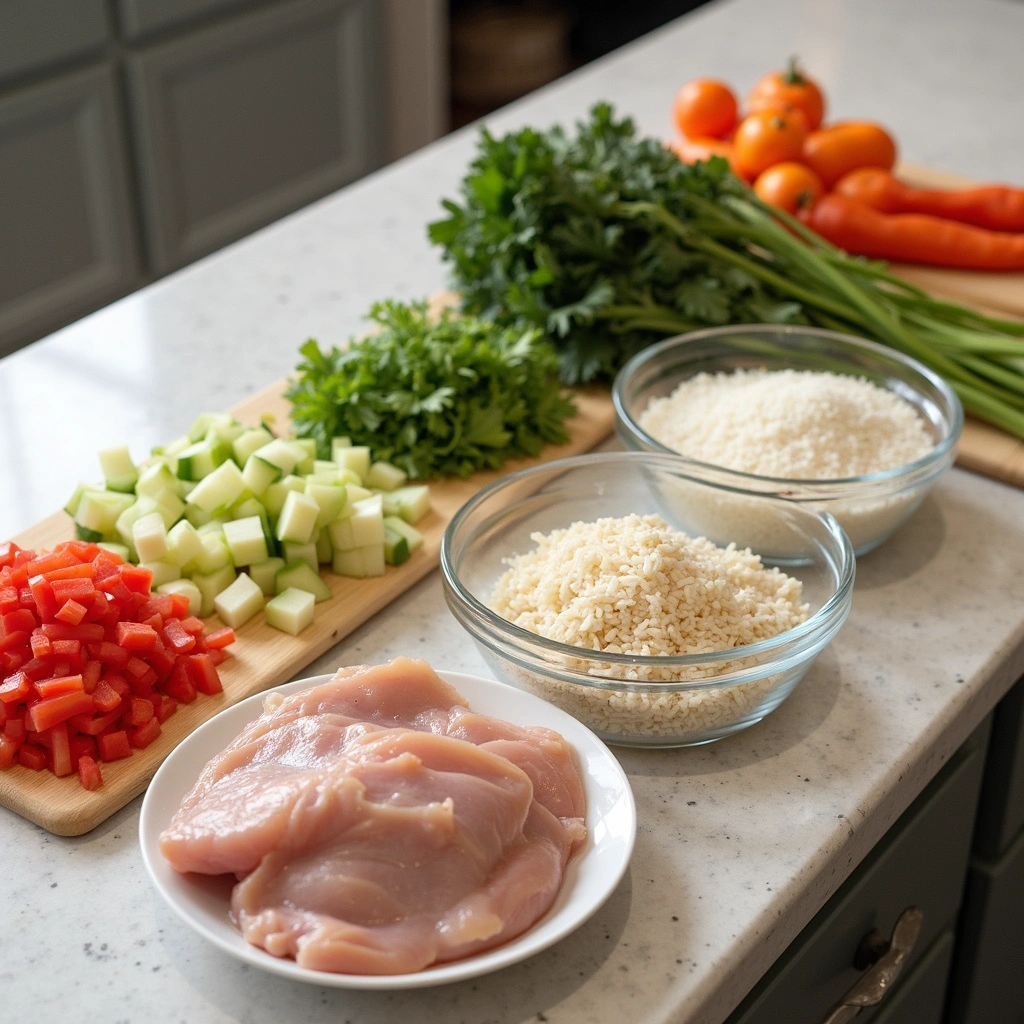
Begin by gathering all the ingredients needed for the casserole.
Wash and chop the vegetables as required, ensuring they are uniform in size for even cooking.
Measure out the rice and keep it aside, and have the chicken thighs ready for seasoning.
This preparation will make the cooking process seamless and efficient.
Step 2: Brown the Chicken Thighs
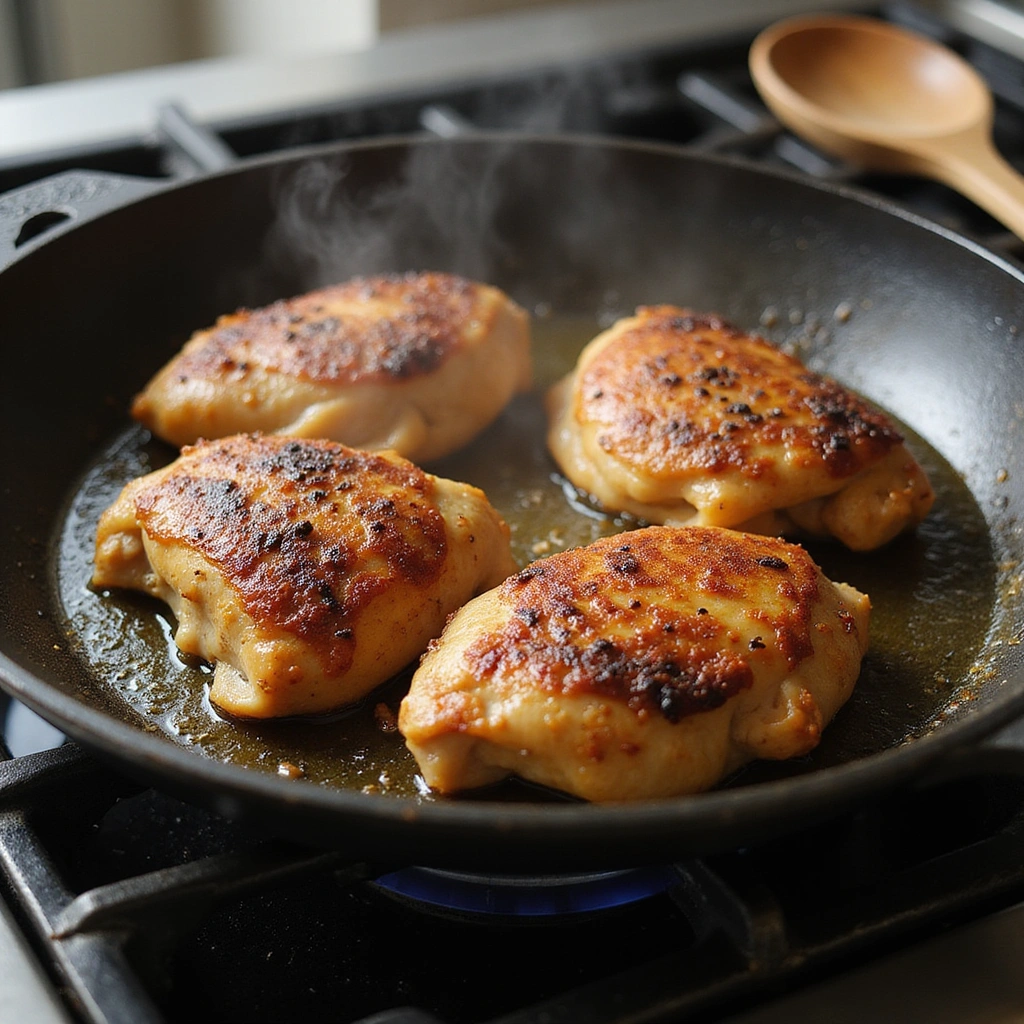
Heat a large skillet over medium-high heat and add a drizzle of oil.
Once the pan is hot, add the chicken thighs and sear them for about 4-5 minutes on each side until golden brown.
Look for a nice crust to form, which will enhance the flavor of the casserole.
Avoid overcrowding the pan, as this can cause the chicken to steam instead of brown.
Step 3: Sauté the Vegetables

In the same skillet, add the diced onion and mixed vegetables after removing the chicken.
Sauté for about 3-4 minutes until the onions become translucent and the vegetables are tender.
Stir occasionally to ensure even cooking and prevent sticking.
This step builds flavor and prepares the vegetables for the casserole.


Step 4: Combine Ingredients
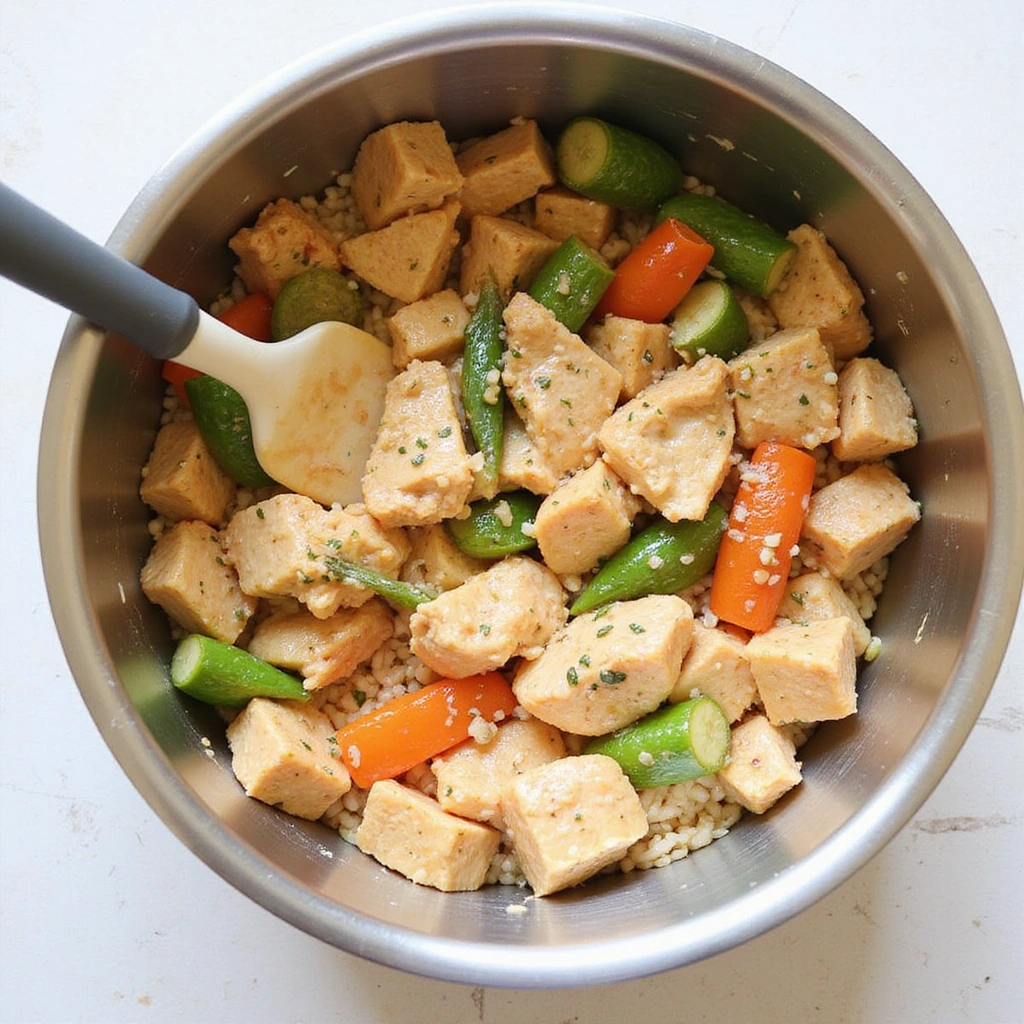
In a large mixing bowl, combine the rice, sautéed vegetables, and chicken thighs.
Pour in the chicken broth and heavy cream, then season with garlic powder, salt, and pepper.
Mix thoroughly to ensure all ingredients are evenly coated in the sauce.
This mixture will create a rich and flavorful base for the casserole.


Step 5: Transfer to Casserole Dish
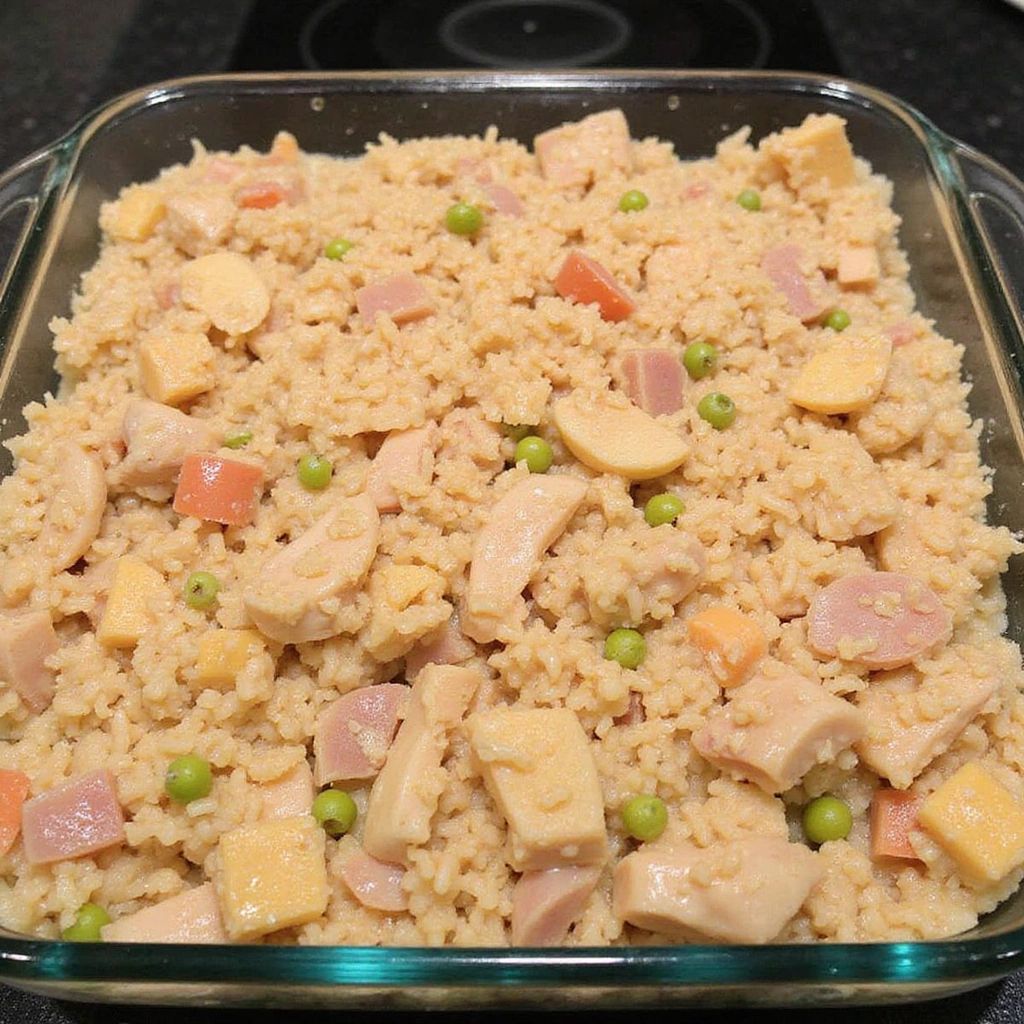
Preheat your oven to 375°F (190°C).
Transfer the mixture into a greased 9×13-inch casserole dish, spreading it out evenly.
Make sure to distribute the ingredients evenly for consistent cooking.
This will ensure that every serving has the right balance of flavors.
Step 6: Bake the Casserole
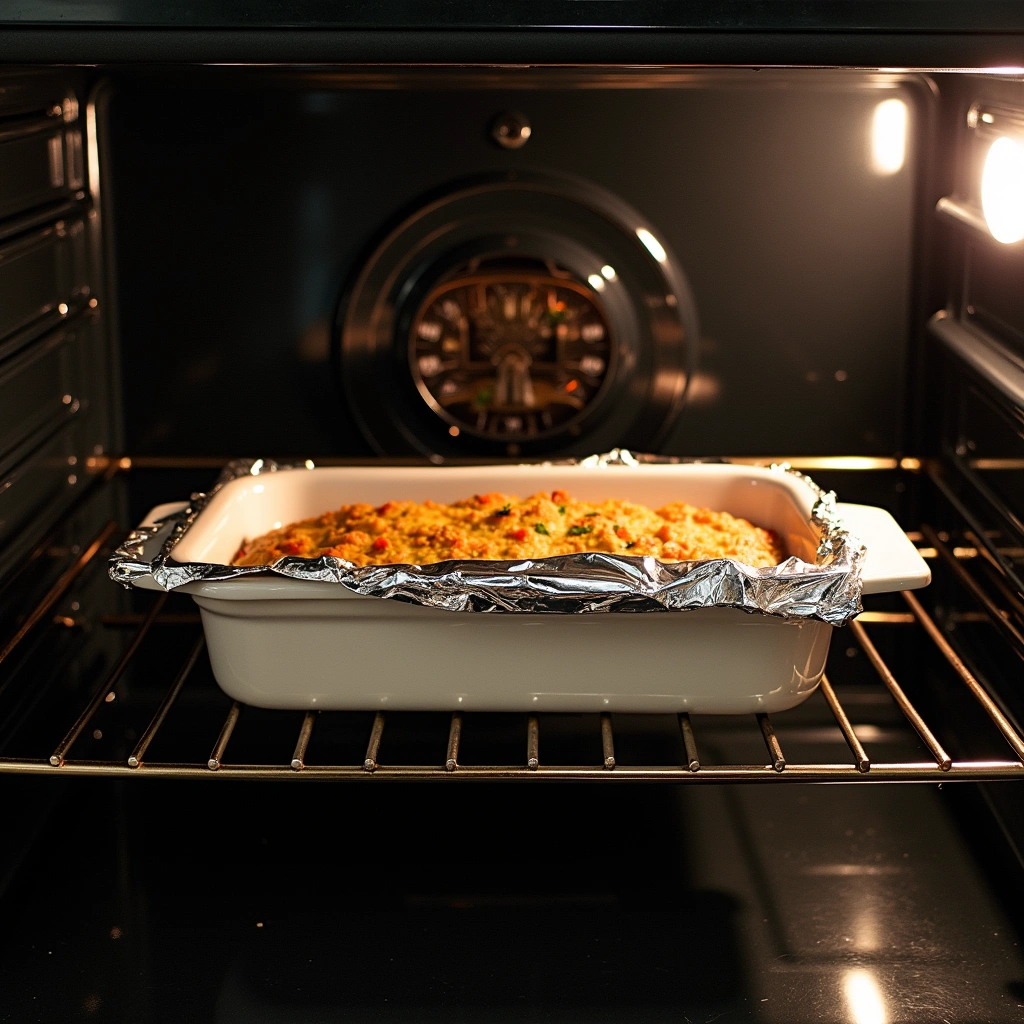
Cover the casserole dish with aluminum foil to trap moisture while baking.
Place it in the preheated oven and bake for 30 minutes.
After 30 minutes, remove the foil and bake for an additional 10 minutes until the top is golden and bubbly.
This step allows the flavors to meld and the casserole to develop a pleasing texture.
Step 7: Check for Doneness
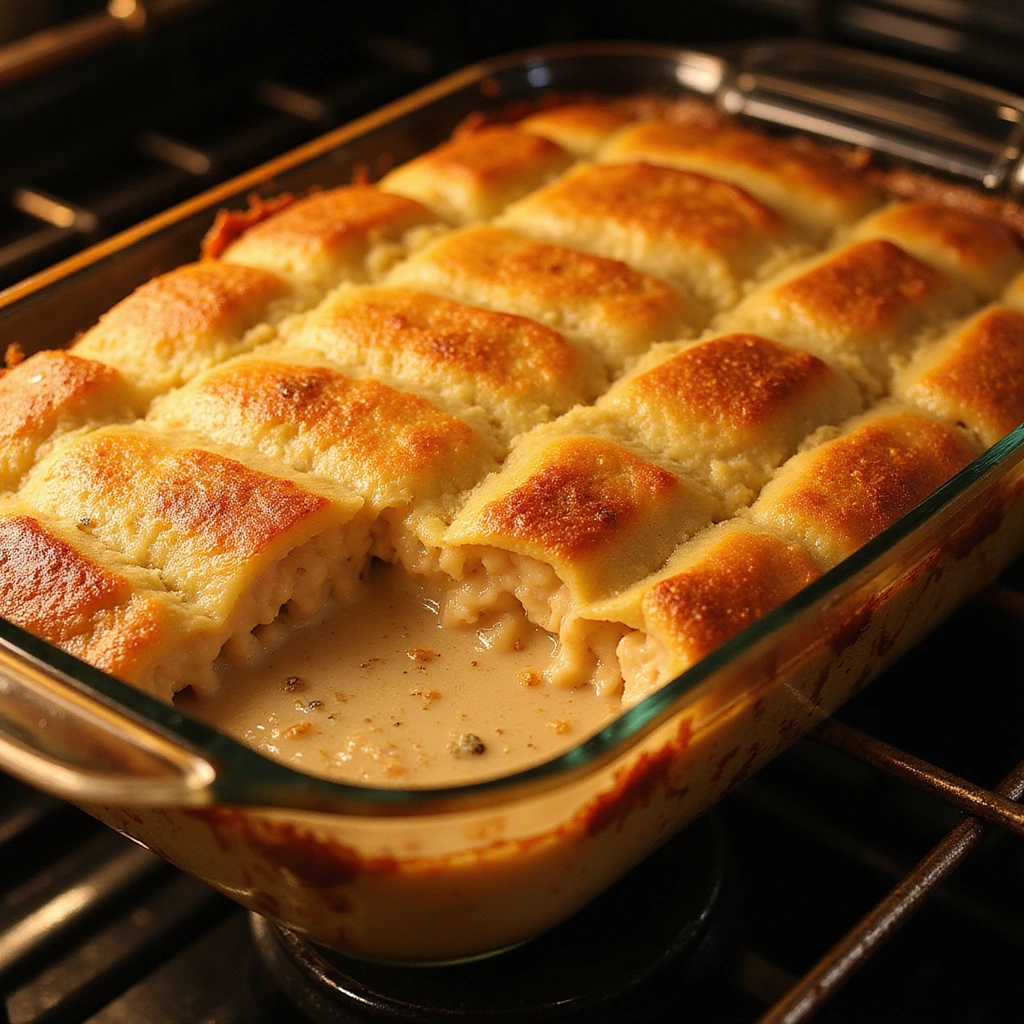
After baking, carefully remove the casserole from the oven and check for doneness.
The rice should be tender and the chicken cooked through, with juices running clear.
Use a fork to fluff the rice and check that no liquid remains in the bottom.
This ensures that the casserole has the right consistency and is ready to serve.
Step 8: Garnish and Serve

Let the casserole cool for a few minutes before serving to allow flavors to settle.
Garnish with fresh herbs like parsley or thyme for color and freshness.
Serve hot, ensuring each portion includes a good mix of chicken, rice, and vegetables.
This step adds a finishing touch that elevates the dish visually and flavor-wise.
Critical Timing and Temperature Guide
Browning the Chicken: Brown the chicken thighs for 4-5 minutes per side over medium-high heat. Look for a golden crust and avoid overcrowding the pan to ensure proper browning.
Baking the Casserole: Bake the casserole covered for 30 minutes, then uncover and bake for an additional 10 minutes. The top should be golden and bubbly, indicating it’s ready to serve.
Checking for Doneness: Ensure the chicken is cooked through (165°F or 74°C). The rice should be tender and no liquid should remain in the bottom of the dish.
Pro Tips for Boneless Skinless Chicken Thigh Casserole Recipes Comfort Meal
• Ingredient Selection: Choose high-quality chicken thighs that are fresh and free from additives for the best flavor and texture.
• Preparation Secret: Let the chicken marinate in a bit of the broth and seasoning for at least 30 minutes to boost flavor.
• Temperature Management: Ensure your oven is fully preheated before baking, as this affects cooking times and texture.
• Texture Enhancement: Fluff the rice before serving to separate grains and improve the overall texture of the dish.
• Flavor Layering: Incorporate herbs and spices at different stages of cooking for a more complex flavor profile.
• Make-Ahead Strategies: Prepare the casserole the night before and refrigerate it, then bake it fresh the next day.
• Restaurant-Quality Finishing Touches: Drizzle a bit of high-quality olive oil or a sprinkle of gourmet sea salt just before serving for an elevated flavor.
• Equipment Optimization: Use a heavy-bottom skillet to achieve better browning and a more even heat distribution.



Troubleshooting Common Issues
• Texture Too Dense: This can occur if the rice absorbs too much liquid. To fix it, add a bit more broth or water before baking and fluff the rice gently after cooking.
• Flavors Unbalanced: If the dish tastes bland, increase the seasoning during the mixing stage. Taste and adjust with more salt, pepper, or herbs as needed.
• Rice Undercooked: If the rice isn’t fully cooked, cover the casserole and return it to the oven with a bit more liquid for an additional 10 minutes.
• Too Saucy: If the casserole is too soupy, uncover it while baking to allow some moisture to evaporate, or add more rice to absorb the excess liquid.
• Chicken Overcooked: If the chicken turns out dry, consider reducing the oven temperature or covering it with foil during baking next time to retain moisture.
• Uneven Cooking: Ensure that you mix the ingredients thoroughly before transferring to the casserole dish to promote even cooking.

Variations and Regional Differences
• Southern Style: This version incorporates collard greens and a hint of Cajun seasoning for a spicy twist, reflecting Southern culinary traditions.
• Italian Style: Incorporating Italian herbs like oregano and basil, along with marinara sauce instead of cream, gives this variation a Mediterranean flair.
• Mexican-Inspired: By adding black beans, corn, and taco seasoning, this version transforms the dish into a zesty casserole with a fiesta vibe.
• Modern Interpretations: Contemporary takes might include using quinoa instead of rice, adding seasonal vegetables for a health-conscious twist while keeping the creamy base.


Food Science Behind the Recipe
• Maillard Reaction: This browning reaction occurs when the chicken is seared, creating complex flavors and aromas that enhance the dish’s appeal.
• Emulsification: The combination of broth and cream creates a stable sauce that coats the chicken and rice, ensuring a cohesive flavor experience.
• Gelatinization: As the rice cooks in the casserole, it absorbs moisture and swells, creating a tender texture that complements the chicken.
Frequently Asked Questions
What’s the most common mistake people make when preparing boneless skinless chicken thigh casserole? Often, cooks forget to season the chicken adequately, leading to bland flavors. Always season each component well for a more flavorful dish.
Can I prepare components of this dish in advance? Yes, you can prepare the chicken and vegetables the night before and store them in the refrigerator. Just mix everything just before baking.
How do I adapt this recipe for dietary restrictions? For a gluten-free option, ensure all ingredients are certified gluten-free, and you can substitute brown rice for a healthier option.
What’s the best way to store and reheat leftovers? Store leftovers in an airtight container in the refrigerator for up to three days. Reheat in the oven at 350°F (175°C) until warmed through.
Can I freeze this dish? Yes, assemble the casserole and freeze before baking. Thaw overnight in the refrigerator before baking as directed.
What wine or beverages pair best with this dish? A light white wine like Sauvignon Blanc or a refreshing iced tea complements the creamy richness of the casserole.
How can I scale this recipe up for a crowd? Simply multiply the ingredients, but consider using multiple casserole dishes to ensure even baking.
What side dishes complement this recipe best? A fresh green salad or garlic bread pairs wonderfully, offering a contrast in texture and flavor.
How do professional chefs elevate this dish for restaurant service? Chefs often add gourmet touches like truffle oil or freshly grated Parmesan cheese before serving to enhance the flavor profile.
Serving and Presentation Guide
• Traditional Presentation: Serve the casserole directly from the dish it was baked in to highlight its rustic charm. Garnish with chopped parsley for a pop of color.
• Modern Plating Ideas: For a contemporary twist, serve individual portions in small cast iron skillets or ramekins, garnished with microgreens.
• Accompaniment Suggestions: Pair with a side of roasted vegetables or a simple arugula salad for a balanced meal.
• Special Occasion Presentation: Use elegant serving dishes and consider adding a drizzle of balsamic reduction for a gourmet touch.
Conclusion
I encourage you to try this boneless skinless chicken thigh casserole recipe for your next family meal.
It’s a dish that not only nourishes but also brings people together, creating lasting memories.
With its comforting flavors and simple preparation, it’s sure to become a family favorite.