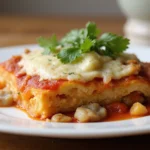

Breakfast casseroles have a special place in my heart, often evoking memories of lazy Sunday mornings with family and friends.
The delightful combination of fluffy eggs, savory bread, and delicious fillings creates a hearty dish that satisfies everyone at the table.
These casseroles are not only simple to prepare but also incredibly versatile, allowing you to customize them to your family’s taste preferences.
Whether you’re using leftover bread or fresh baguettes, this easy breakfast casserole will surely become a brunch favorite in your home.
The History and Cultural Significance
• Breakfast Casserole Recipes With Bread Easy Family Brunch traces its origins to the American Midwest, where it became popular in the 1950s as a way to use leftover bread and make a filling meal.
• The dish evolved over decades as families began to add a variety of ingredients such as meats, vegetables, and cheeses, eventually becoming the beloved version we know today.
• In American culture, this dish traditionally appears at holiday gatherings and family reunions, symbolizing togetherness and comfort.
• While many variations exist across different regions, the authentic version maintains a base of bread and eggs that sets it apart from imitations.
Recipe Overview
Nutritional Information (per serving)
Ingredients


Essential Equipment Guide
9×13-inch Baking Dish: This size is perfect for the casserole, allowing even cooking and easy serving. A glass or ceramic dish is ideal for even heat distribution, while metal pans can also be used but may require adjustments in cooking time.
Mixing Bowls: Essential for combining ingredients thoroughly. Look for a set that includes various sizes for versatile use and ensure they are sturdy enough to handle vigorous mixing.
Whisk: A good quality whisk is important for beating eggs and combining ingredients evenly. Opt for a balloon whisk for maximum aeration, which helps create a fluffy texture in your casserole.
Preparation Methods
Stale Bread Cubing: Using stale bread helps the casserole absorb the egg mixture better without becoming mushy. Cut the bread into uniform cubes about 1 inch in size for even texture and easy baking.
Vegetable Sautéing: Sautéing vegetables before adding them to the casserole enhances their flavors and ensures they are tender. Use medium heat and a bit of oil, cooking until they are softened and slightly caramelized.
Egg Beating: Beating the eggs thoroughly incorporates air, which results in a fluffier casserole. Use a whisk to achieve a light and airy mixture before combining with the bread and other ingredients.
Step 1: Prepare the Bread
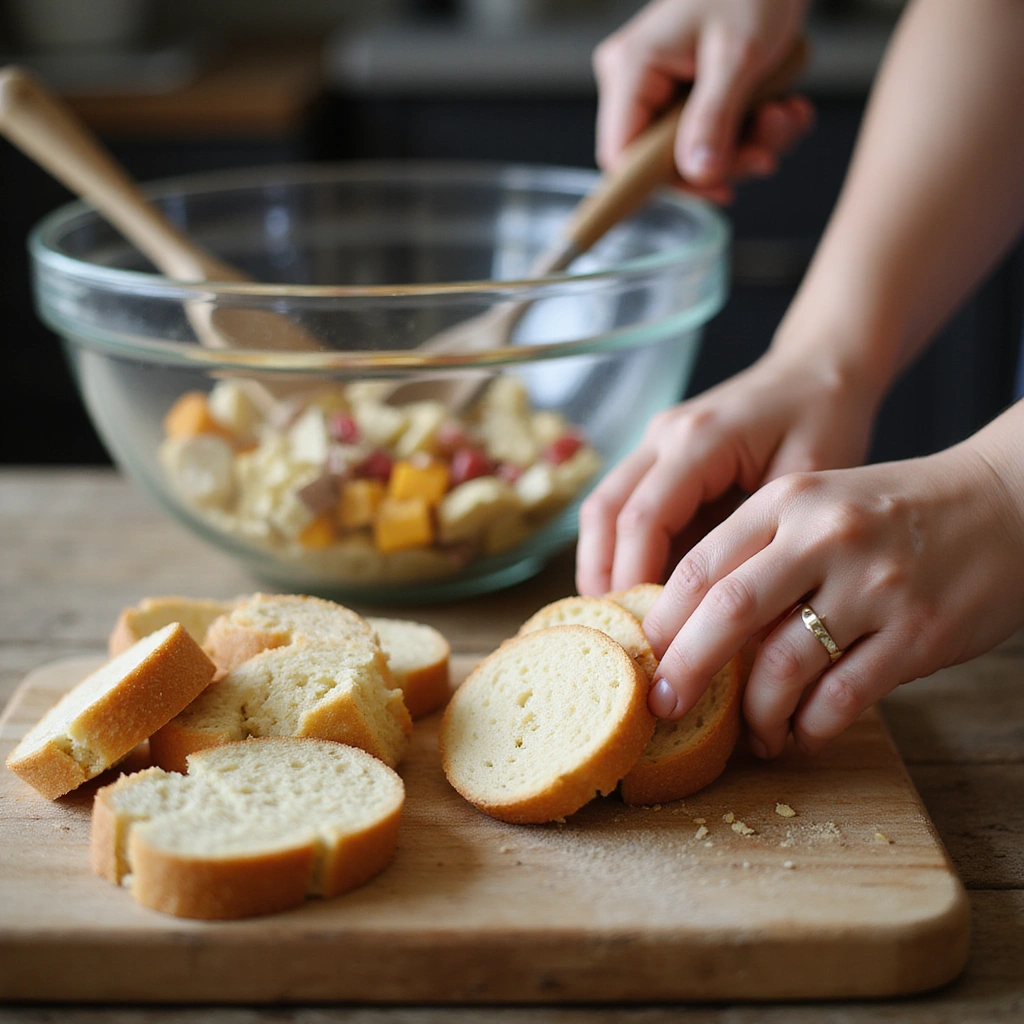
Begin by cubing the bread into approximately 1-inch pieces.
If your bread is fresh, you may want to let it sit out for an hour to dry slightly.
This will help the bread absorb the egg mixture better without becoming soggy.
Place the cubed bread in a large mixing bowl and set aside.
Step 2: Sauté the Vegetables
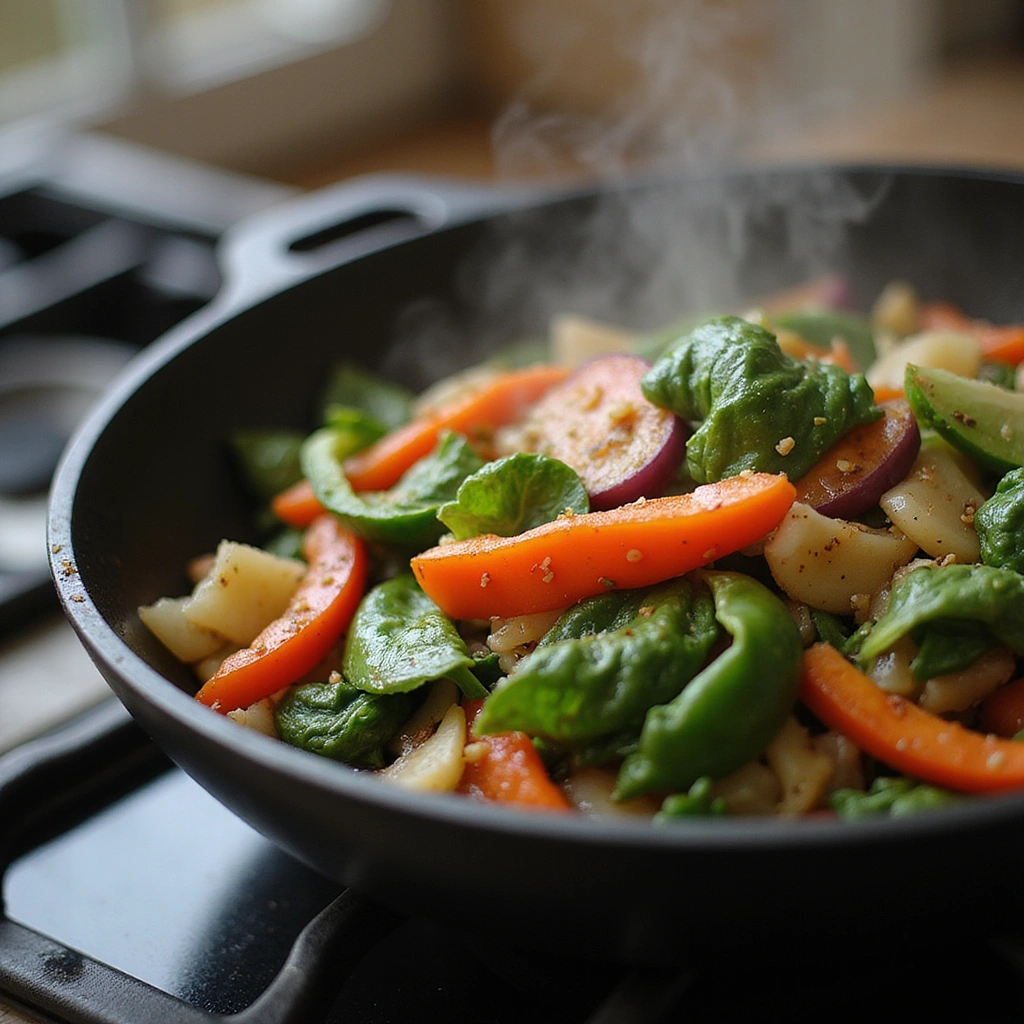
Heat a skillet over medium heat and add a tablespoon of oil.
Add the chopped onion and bell pepper, sautéing until the onions are translucent and the peppers are tender, about 5-7 minutes.
Stir frequently to avoid burning and ensure even cooking.
Once done, add the spinach and cook until wilted, then remove from heat.

Step 3: Mix the Egg Mixture
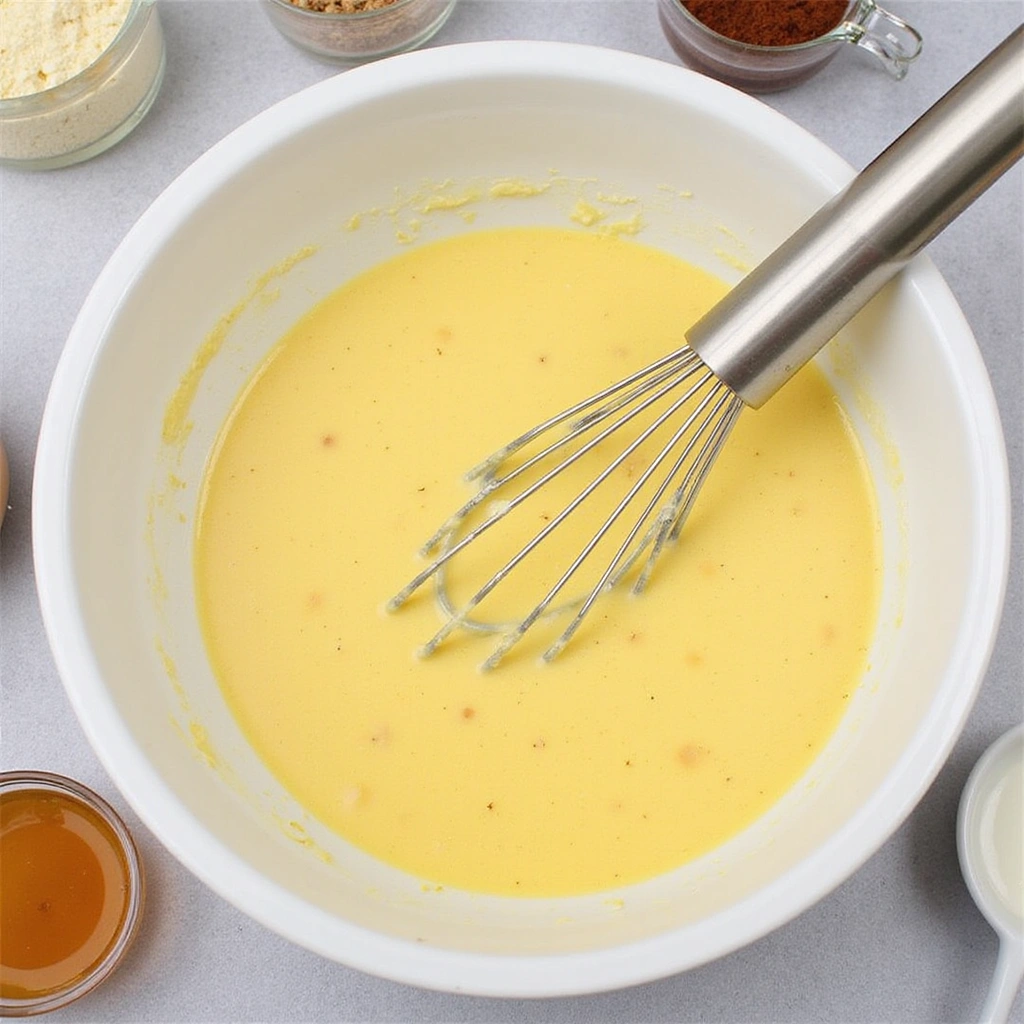
In a separate bowl, whisk together the eggs, milk, salt, pepper, and garlic powder until well combined.
Ensure there are no streaks of egg white visible for an even mixture.
This step is crucial for achieving a uniform flavor throughout the casserole.
Set the egg mixture aside to combine with the other ingredients later.


Step 4: Combine the Ingredients

In the bowl with the cubed bread, add the sautéed vegetables and shredded cheese.
Pour the egg mixture over the top and gently fold everything together until the bread is well coated.
Be careful not to mash the bread cubes; you want them to remain intact.
This ensures that each bite of the casserole has a balanced flavor and texture.
Step 5: Transfer to Baking Dish
Preheat your oven to 350°F (175°C) while you prepare the baking dish.
Grease a 9×13-inch baking dish with butter or cooking spray to prevent sticking.
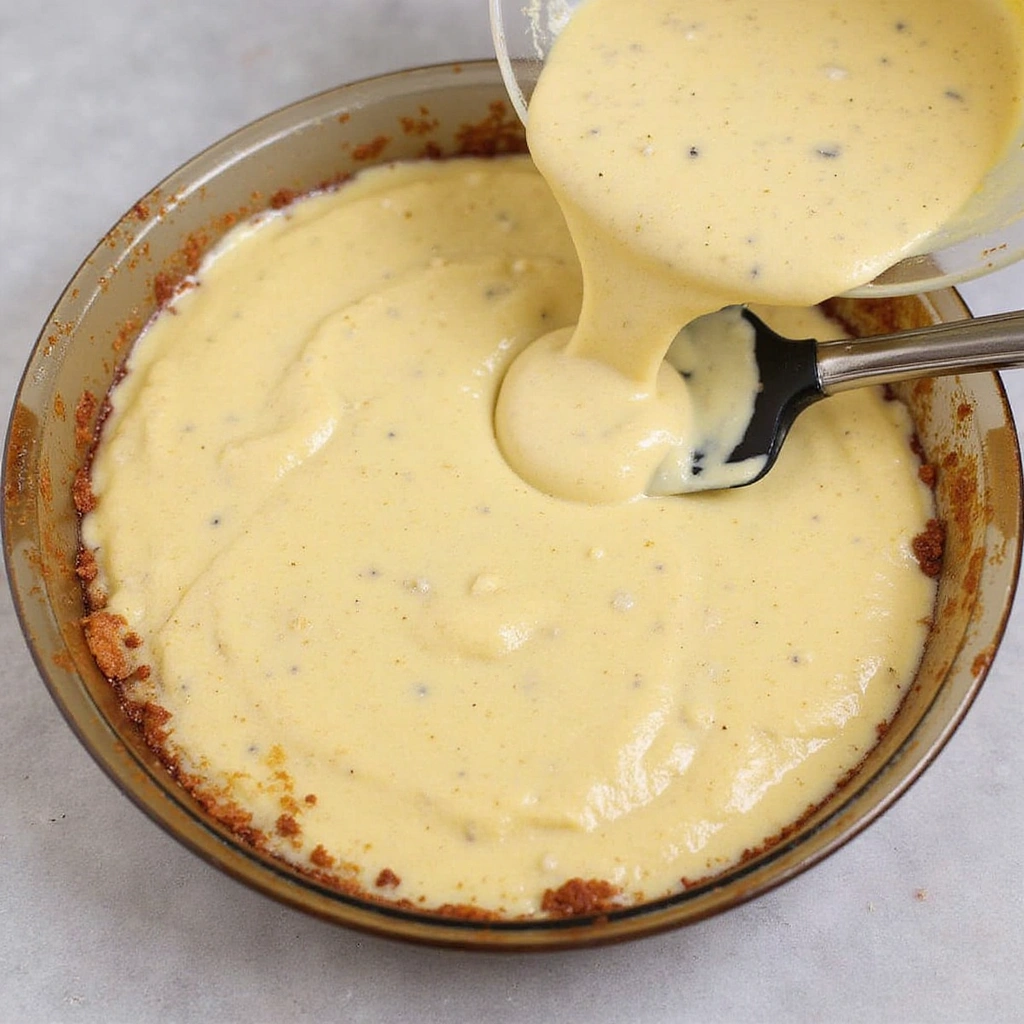
Carefully transfer the mixture into the prepared dish, spreading it evenly.
Use a spatula to ensure the mixture is evenly distributed for even cooking.


Step 6: Bake the Casserole
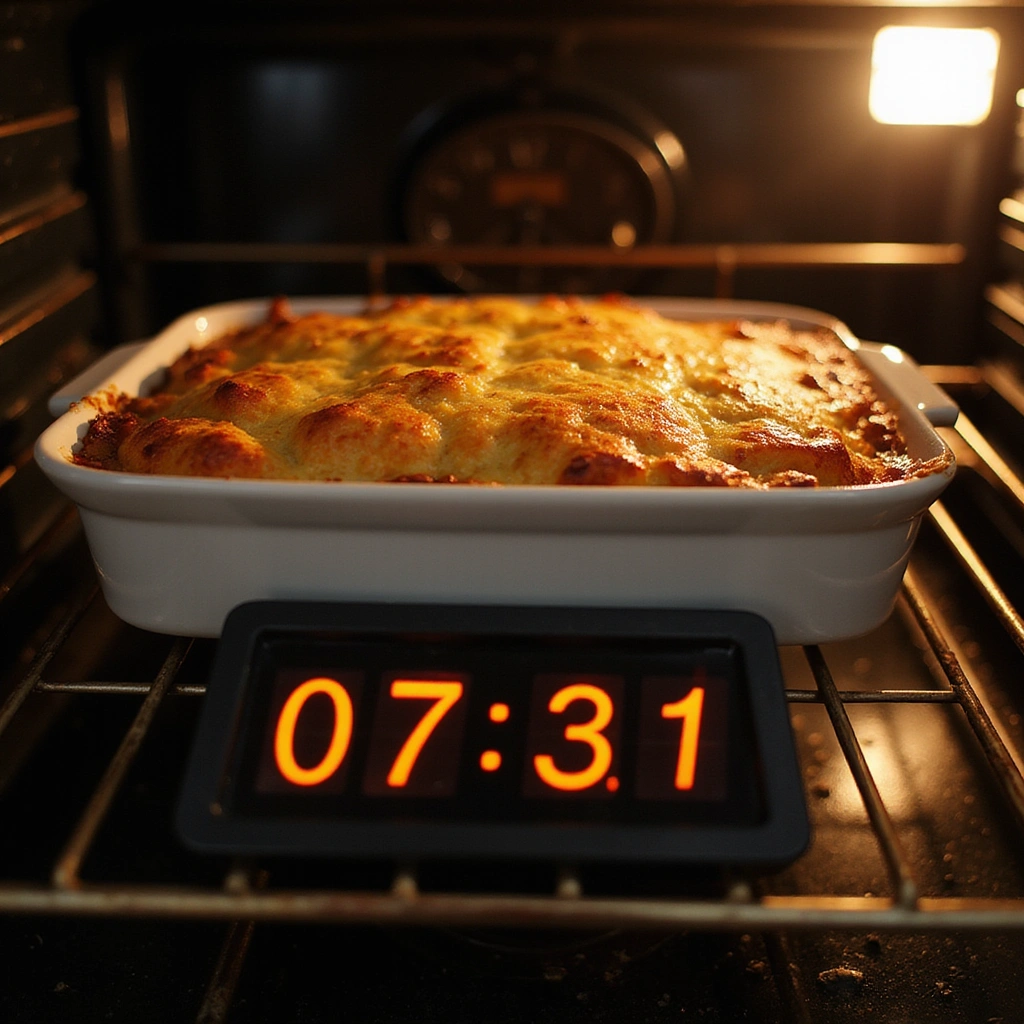
Place the baking dish in the preheated oven and bake for 45 minutes.
Check for doneness by inserting a knife in the center; it should come out clean when the casserole is done.
The top should be golden brown and slightly puffed up.
If the top is browning too quickly, cover with foil to prevent burning.


Step 7: Let it Rest
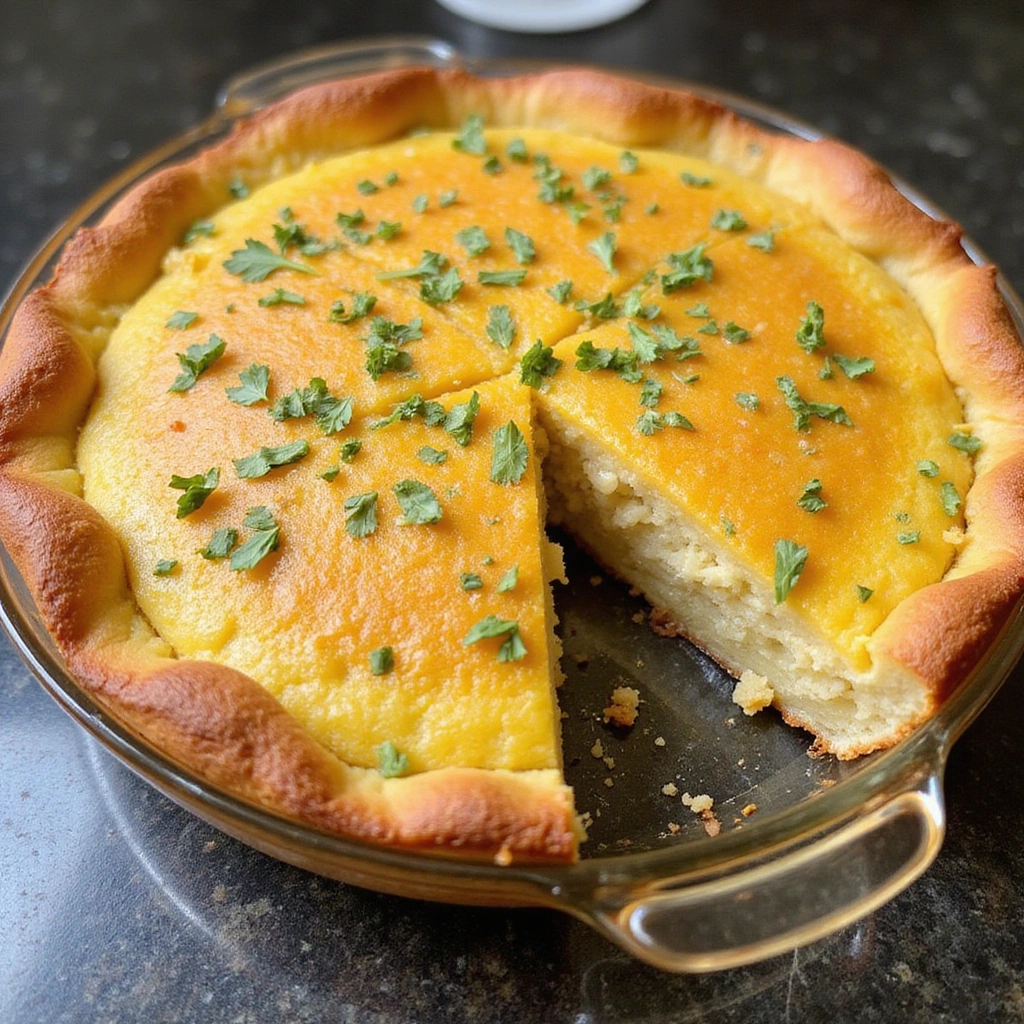
Once baked, remove the casserole from the oven and let it sit for 10 minutes.
This resting period allows the casserole to set, making it easier to cut into squares.
Use a sharp knife to slice into portions.
Garnish with fresh herbs if desired before serving.
Step 8: Serve and Enjoy
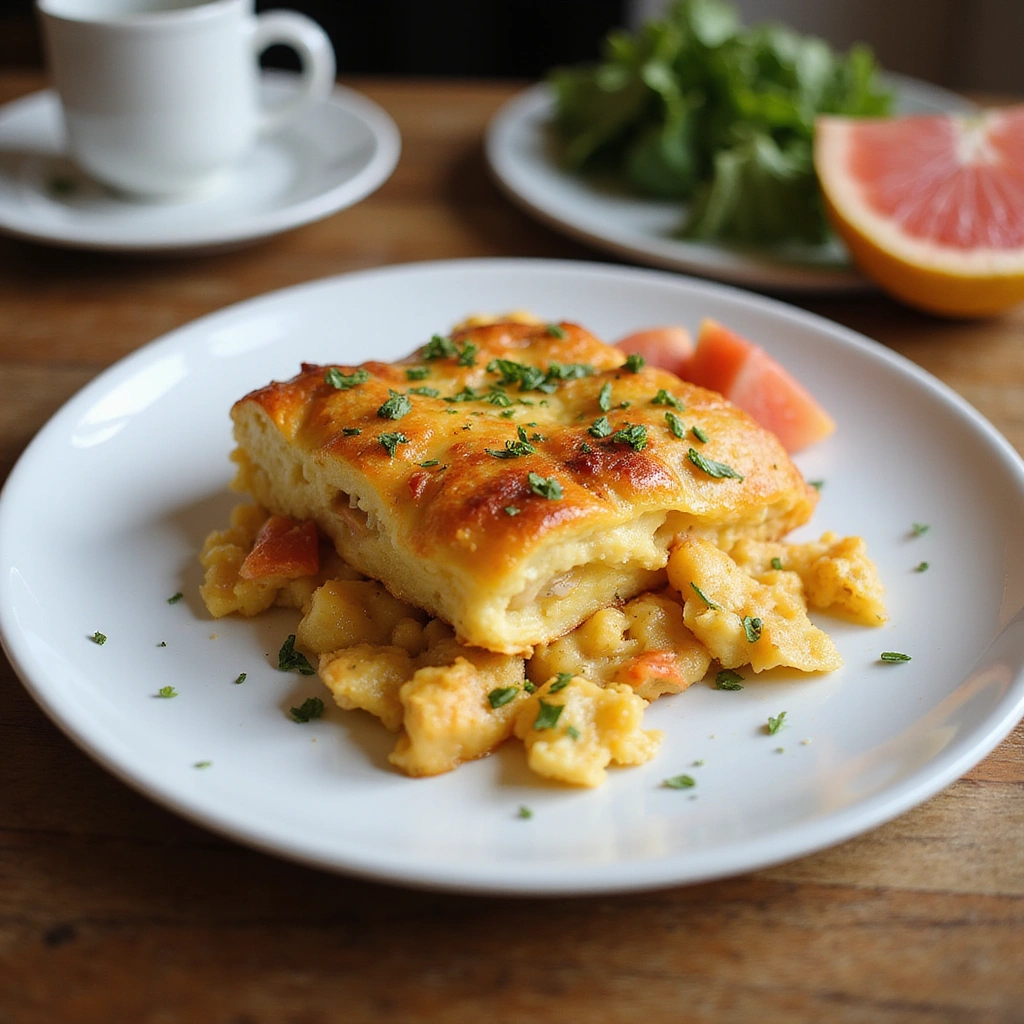
Serve the breakfast casserole warm, offering additional toppings like salsa or hot sauce on the side for those who like a kick.
Pair it with fresh fruit or a light salad for a complete meal.
Encourage guests to customize their servings with their favorite condiments.
Enjoy the smiles and satisfied sighs from your family and friends.
Critical Timing and Temperature Guide
Baking Time: Bake the casserole at 350°F (175°C) for 45 minutes. Look for a golden brown top and a knife inserted in the center coming out clean. Avoid opening the oven door frequently as it can alter the cooking time.
Resting Time: Allow the casserole to rest for 10 minutes after baking. This helps the dish set, making it easier to serve. Cutting too soon may result in a runny texture.
Internal Temperature: The casserole should reach an internal temperature of 160°F (70°C) for safe consumption. Use a food thermometer to check the temperature for best results.



Pro Tips for Breakfast Casserole Recipes With Bread Easy Family Brunch
• Ingredient Selection: Use high-quality eggs and fresh vegetables for the best flavor. Fresh ingredients elevate the dish’s overall taste significantly.
• Preparation Secret: Allowing the bread to sit out for a few hours before using helps it absorb the egg mixture better.
• Temperature Management: Ensure eggs and milk are at room temperature for an even mixture. Cold ingredients can lead to uneven cooking.
• Texture Enhancement: For a crispy top, sprinkle additional cheese on the last 10 minutes of baking.
• Flavor Layering: Consider adding herbs like thyme or parsley to deepen the flavor profile.
• Make-Ahead Strategies: Assemble the casserole the night before and refrigerate. Bake it in the morning for a quick and easy brunch.
• Restaurant-Quality Finishing Touches: Garnish with freshly chopped chives or a dollop of sour cream for added richness.
• Equipment Optimization: Use a glass baking dish for better visibility of doneness.
Troubleshooting Common Issues
• Texture Too Dense: This can happen if too much bread is used or if the egg mixture is insufficient. Make sure to measure ingredients accurately and use the specified amount of liquid to ensure a fluffy texture.
• Flavors Unbalanced: If the casserole lacks flavor, consider increasing the seasoning amounts or adding more herbs and spices. Taste the egg mixture before adding it to the bread to adjust seasoning as needed.
• Burnt Top: If the top is browning too quickly, cover the dish with foil halfway through baking. This prevents burning while allowing the middle to cook through.
• Undercooked Center: If the center seems undercooked, bake a little longer, checking every 5 minutes until fully set. An oven thermometer can help ensure your oven is at the correct temperature.
• Too Soggy: If the casserole is too soggy, reduce the amount of milk or ensure the bread is stale enough to absorb moisture without getting mushy.
Variations and Regional Differences
• Southwestern Style: This variation includes chorizo, jalapeños, and pepper jack cheese for a spicy kick. Serve with avocado slices and salsa for a complete meal.
• Italian-Inspired: Incorporate Italian sausage, sun-dried tomatoes, and mozzarella cheese. Add fresh basil for a fragrant touch.
• Vegetarian Option: Replace meat with additional vegetables like zucchini and mushrooms. You can also add feta cheese for a Mediterranean flair.
• Modern Interpretations: Consider using gluten-free bread or plant-based milk to cater to dietary preferences while retaining the casserole’s essence.


Food Science Behind the Recipe
• Gelatinization: When baking, the starches in the bread gelatinize, helping to bind the ingredients together and create a cohesive texture. Understanding this process helps prevent a soggy casserole.
• Maillard Reaction: This occurs during baking, giving the casserole its golden-brown color and rich flavors. Ensuring the oven is at the right temperature will enhance this reaction.
• Emulsification: The eggs act as an emulsifier, combining the fat from the cheese and the moisture from the milk to create a creamy texture. Properly whisking the eggs can enhance this effect.
Frequently Asked Questions
What’s the most common mistake people make when preparing breakfast casseroles? The top mistake is using fresh bread instead of stale, which can lead to a soggy casserole. Letting bread sit out for a few hours or using day-old bread can improve texture.
Can I prepare components of this dish in advance? Yes, you can assemble the casserole a day ahead and refrigerate it. Just allow it to sit at room temperature for about 30 minutes before baking.
How do I adapt this recipe for dietary restrictions? For gluten-free diets, substitute with gluten-free bread. For dairy-free, use nut milk and a dairy-free cheese alternative.
What’s the best way to store and reheat leftovers? Store leftovers in an airtight container in the refrigerator for up to 3 days. Reheat in the microwave or oven until heated through, adding a splash of milk to maintain moisture.
Can I freeze this dish? Yes, you can freeze the unbaked casserole for up to 2 months. Thaw it in the refrigerator overnight before baking as usual.
What wine or beverages pair best with this dish? A light, crisp white wine like Sauvignon Blanc complements the dish well. Non-alcoholic options include sparkling water with lime.
How can I scale this recipe up for a crowd? To scale up, simply multiply the ingredients by the number of servings desired. Adjust baking time as needed for larger quantities, checking for doneness frequently.
What side dishes complement this recipe best? Fresh fruit salad and yogurt parfaits are great complements, providing a refreshing contrast to the rich casserole.
How do professional chefs elevate this dish for restaurant service? Chefs often add specialty cheeses, artisanal breads, or gourmet toppings like truffle oil to enhance the dish’s flavor and presentation.
Serving and Presentation Guide
• Traditional Presentation: Serve the casserole in the baking dish, garnished with chopped parsley or chives. This rustic presentation emphasizes the home-cooked feel of the dish.
• Modern Plating Ideas: For an elegant touch, serve individual portions on white plates with a drizzle of balsamic reduction and a side of microgreens.
• Accompaniment Suggestions: Pair with a light salad dressed in lemon vinaigrette for a refreshing side that balances the richness of the casserole.
• Special Occasion Presentation: For holiday gatherings, consider serving the casserole in a decorative dish with seasonal garnishes like pomegranate seeds or candied nuts for a festive touch.
Conclusion
I hope you find joy in preparing this delectable breakfast casserole for your family and friends.
Its ease of preparation and rich flavors make it perfect for any brunch occasion.
Don’t hesitate to customize the ingredients to make it your own.
Enjoy the warm conversations and memories created around the table!