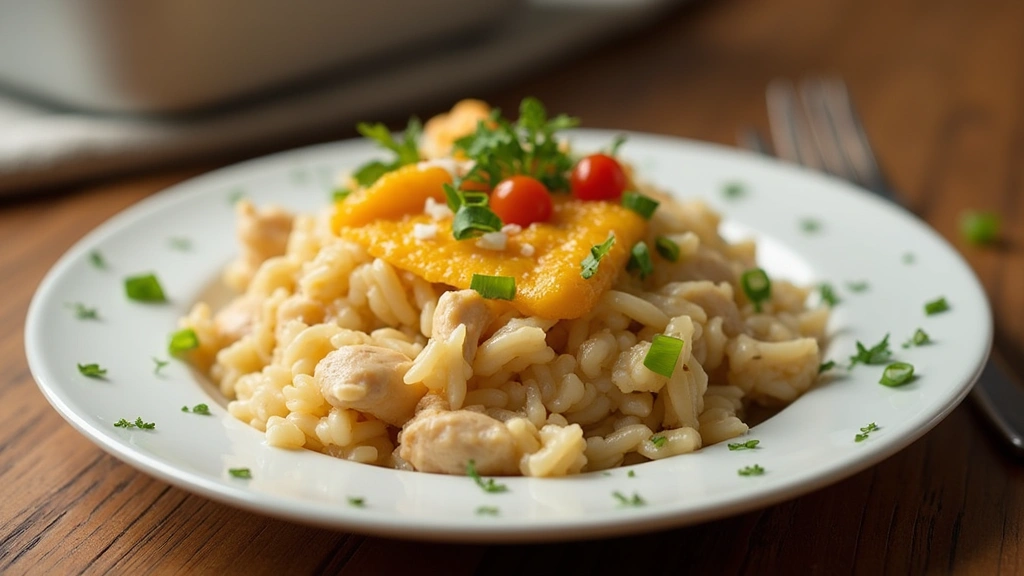
Campbell’s Chicken and Rice Casserole is the epitome of comfort food, perfect for busy weeknights when you crave something hearty yet simple to prepare.
This dish combines tender chicken, creamy soup, and fluffy rice, creating a delightful blend of textures and flavors that warms the soul.
I have fond memories of my family gathering around the table, enjoying this easy recipe that seems to get better with each passing generation.
Whether you’re serving it for a casual dinner or a family gathering, this casserole is sure to please everyone at the table.
The History and Cultural Significance
• Campbell’s Chicken and Rice Casserole finds its roots in American home cooking, particularly from the mid-20th century, when convenience foods began to rise in popularity.
• The dish evolved over decades as families sought quick and delicious meals, eventually becoming a staple in many households across the country.
• In the United States, this casserole traditionally appears at potlucks and family gatherings, symbolizing comfort, togetherness, and nostalgia.
• While many variations exist, the authentic version maintains the use of Campbell’s soup, which sets it apart from other chicken and rice casseroles.


Recipe Overview
Nutritional Information (per serving)
Ingredients


Essential Equipment Guide
9×13-inch Baking Dish: This size is crucial for ensuring the casserole cooks evenly and thoroughly. Look for a glass or ceramic dish that can withstand high temperatures without cracking.
Mixing Bowl: A large mixing bowl is essential for combining all the ingredients. Choose one that is sturdy and easy to handle, preferably with a non-slip base for stability.
Spoon or Spatula: A good mixing spoon or spatula is vital for evenly distributing the ingredients in the casserole. Opt for silicone or wooden tools that won’t scratch your baking dish.
Preparation Methods
Shredding Chicken: This technique involves breaking down cooked chicken into bite-sized pieces, which ensures even distribution throughout the casserole. Make sure to use a fork or your hands for best results, and shred while the chicken is warm for easier handling.
Combining Ingredients: Mixing all components thoroughly is crucial for a well-flavored casserole. Use a large mixing bowl and fold gently to avoid mashing the rice or breaking the chicken pieces.
Baking Evenly: Ensuring even cooking requires spreading the mixture uniformly in the baking dish. Use a spatula to smooth the surface, which helps the casserole cook uniformly and prevents dry patches.
Step 1: Preheat the Oven
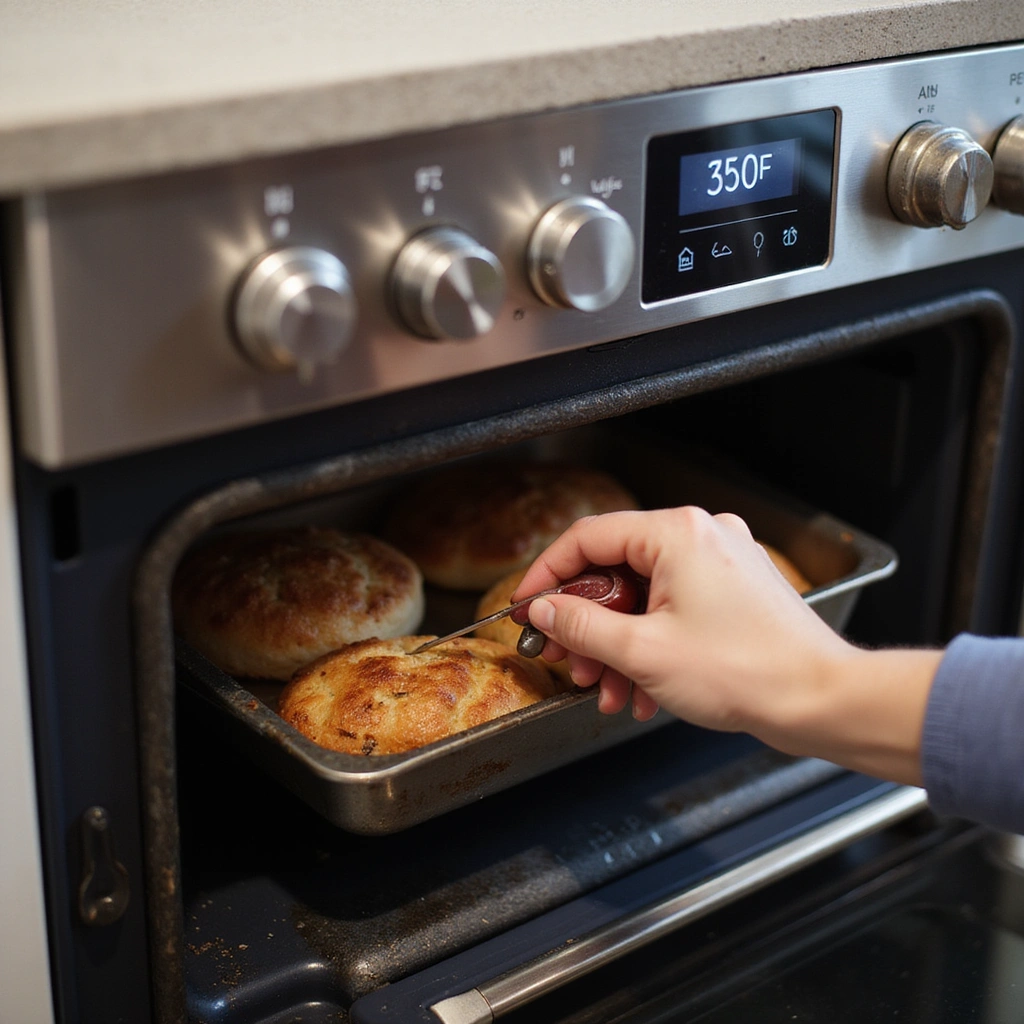
Begin by preheating your oven to 350°F (175°C).
This temperature is ideal for baking casseroles, allowing for even cooking.
Make sure the oven is fully preheated before placing your dish inside.
Using an oven thermometer can help ensure accuracy if your oven tends to fluctuate in temperature.



Step 2: Prepare the Chicken
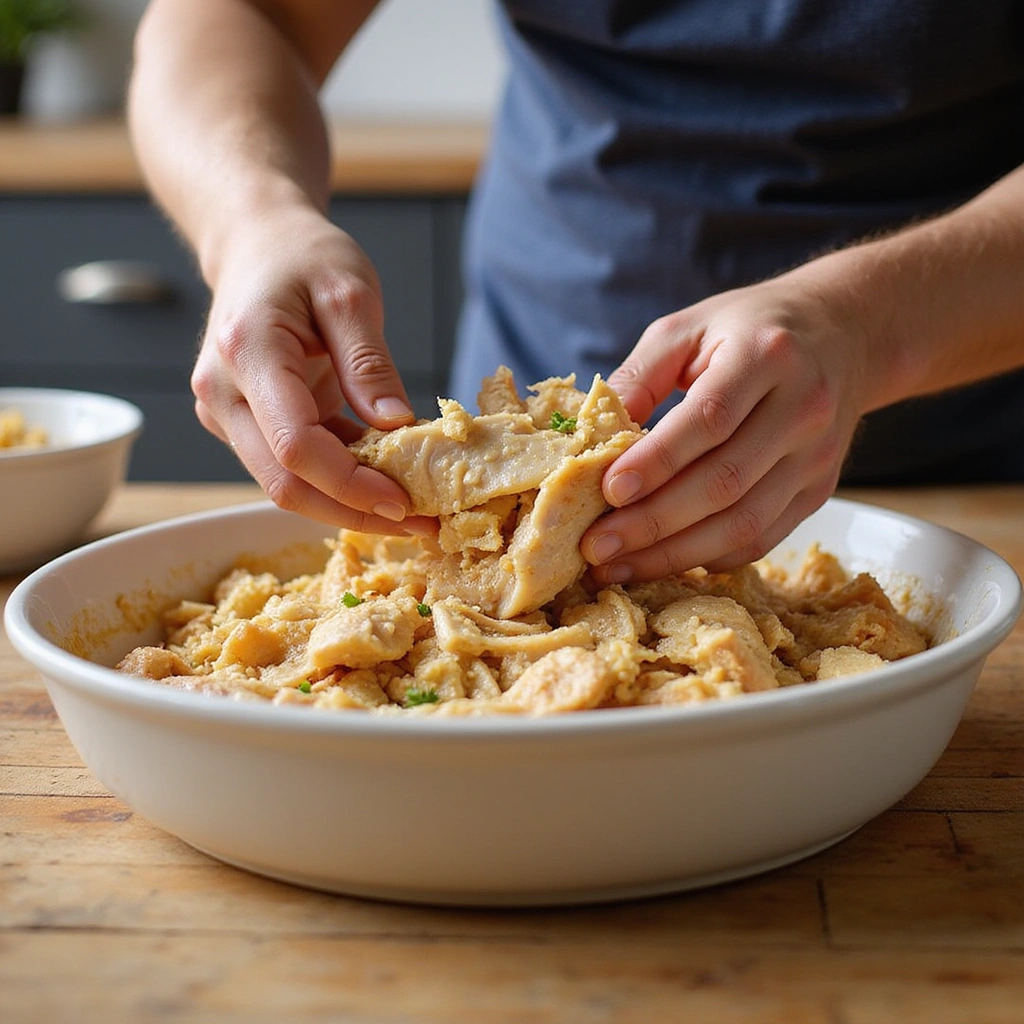
If using rotisserie chicken, remove the skin and shred the meat into bite-sized pieces.
You should have about two cups of shredded chicken for the casserole.
Ensure that the chicken is warm to make shredding easier.
If you prefer, you can also poach or bake your chicken breasts before shredding.
Step 3: Combine the Base Ingredients
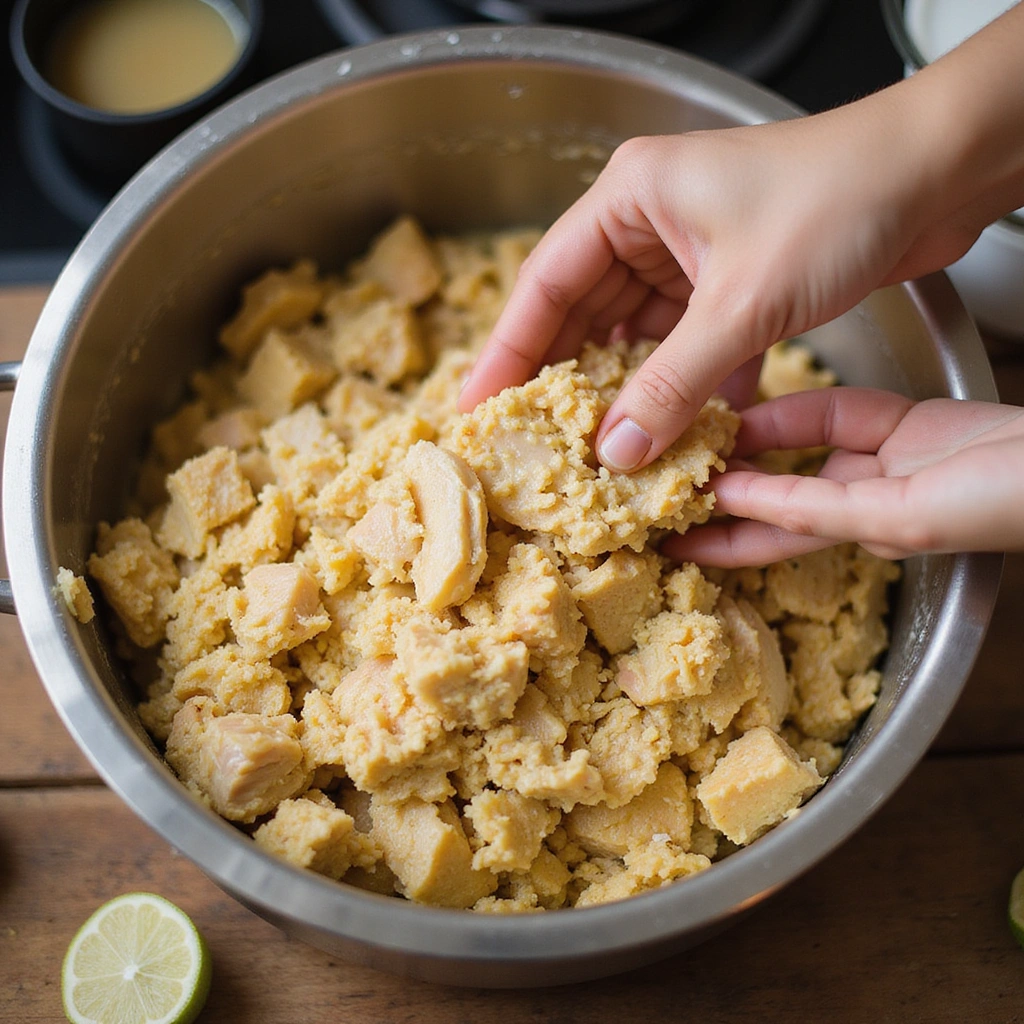
In a large mixing bowl, combine the shredded chicken, uncooked rice, cream of chicken soup, and chicken broth.
Stir until everything is evenly mixed, ensuring there are no dry clumps of rice.
This mixture will form the base of your casserole.
Don’t worry if it seems a bit thick; the rice will absorb moisture while cooking.
Step 4: Add Vegetables and Seasonings
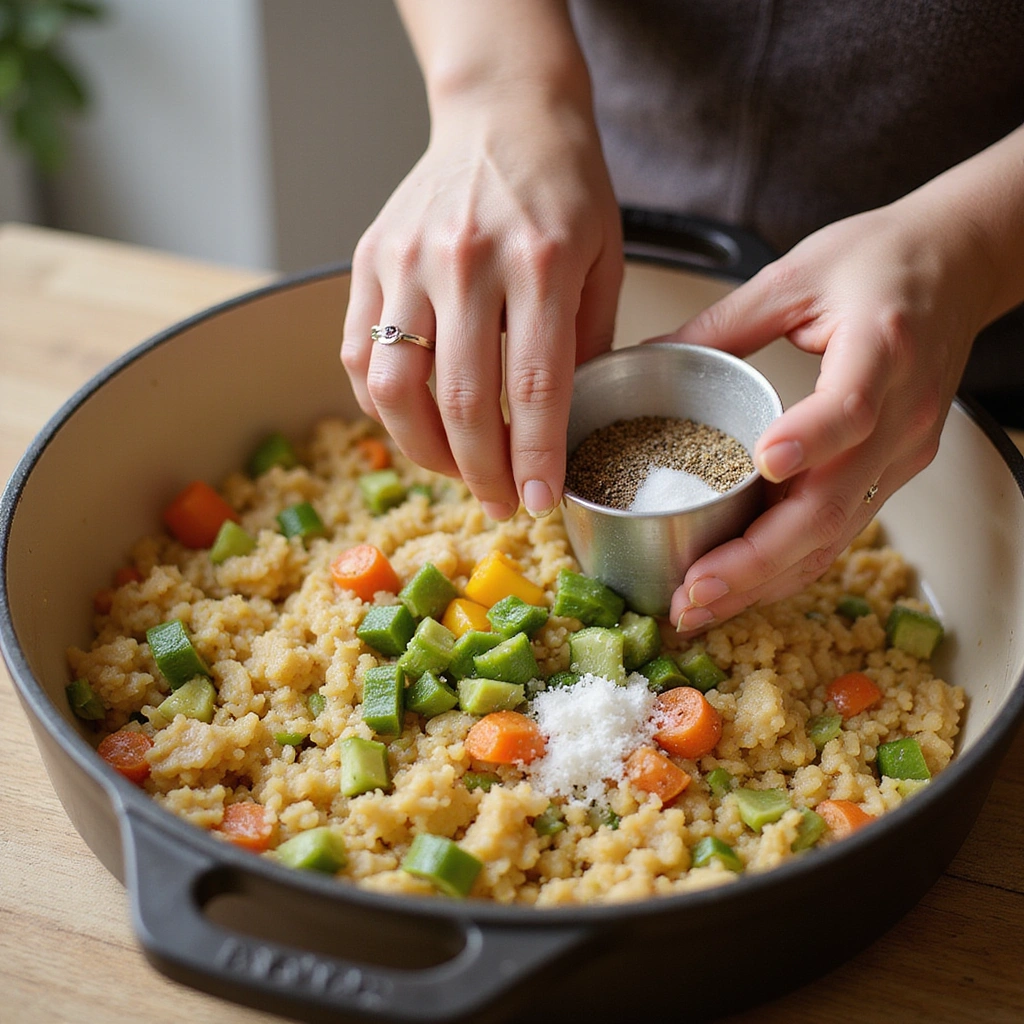
Next, fold in the thawed mixed vegetables and chopped onion into the casserole mixture.
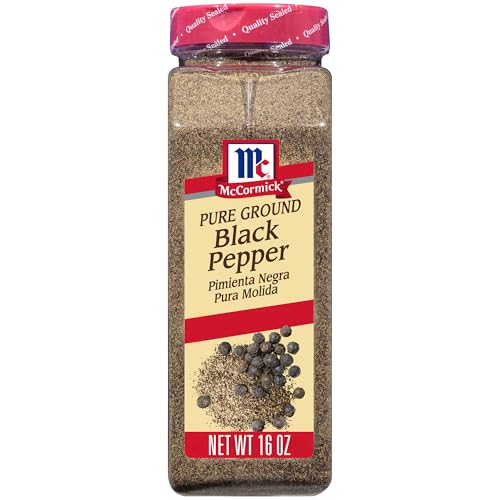
Sprinkle in the garlic powder, black pepper, and salt, mixing gently to combine.
This step adds color and nutrition to your casserole, making it more appealing.
Taste the mixture to adjust seasoning if necessary before transferring it to the baking dish.

Step 5: Transfer to Baking Dish
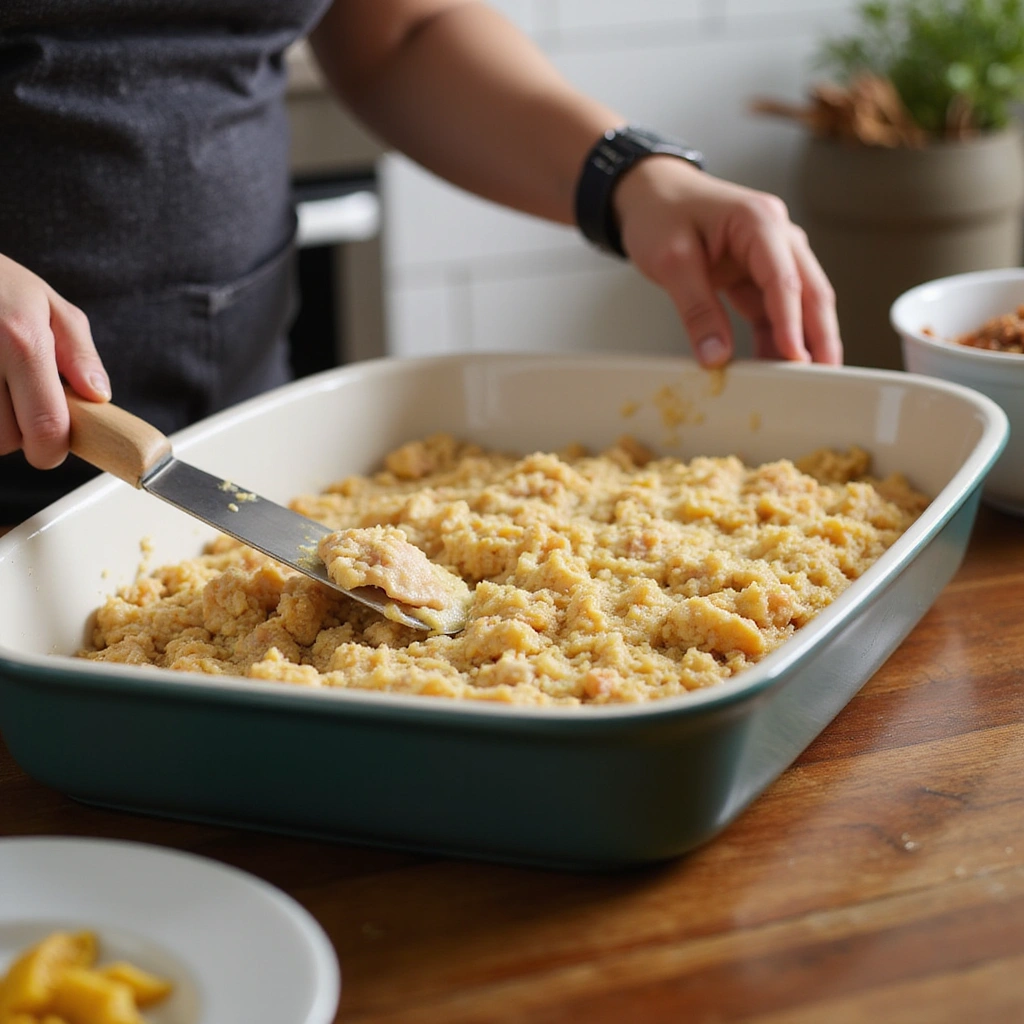
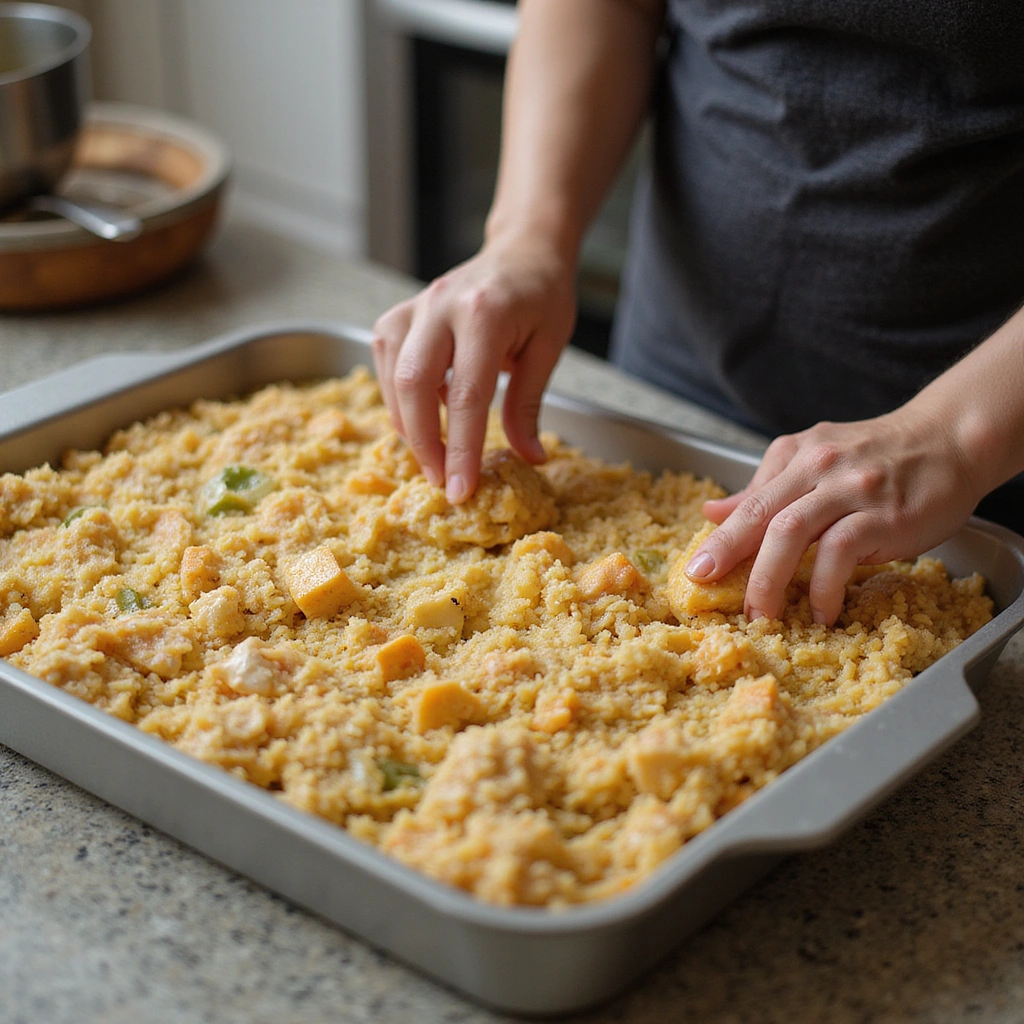
Pour the combined mixture into a greased 9×13-inch baking dish.
Spread it evenly using a spatula to ensure uniform cooking.
This size of dish allows for proper heat distribution throughout the casserole.
Make sure there are no exposed rice areas on the surface to avoid drying out.
Step 6: Cover and Bake
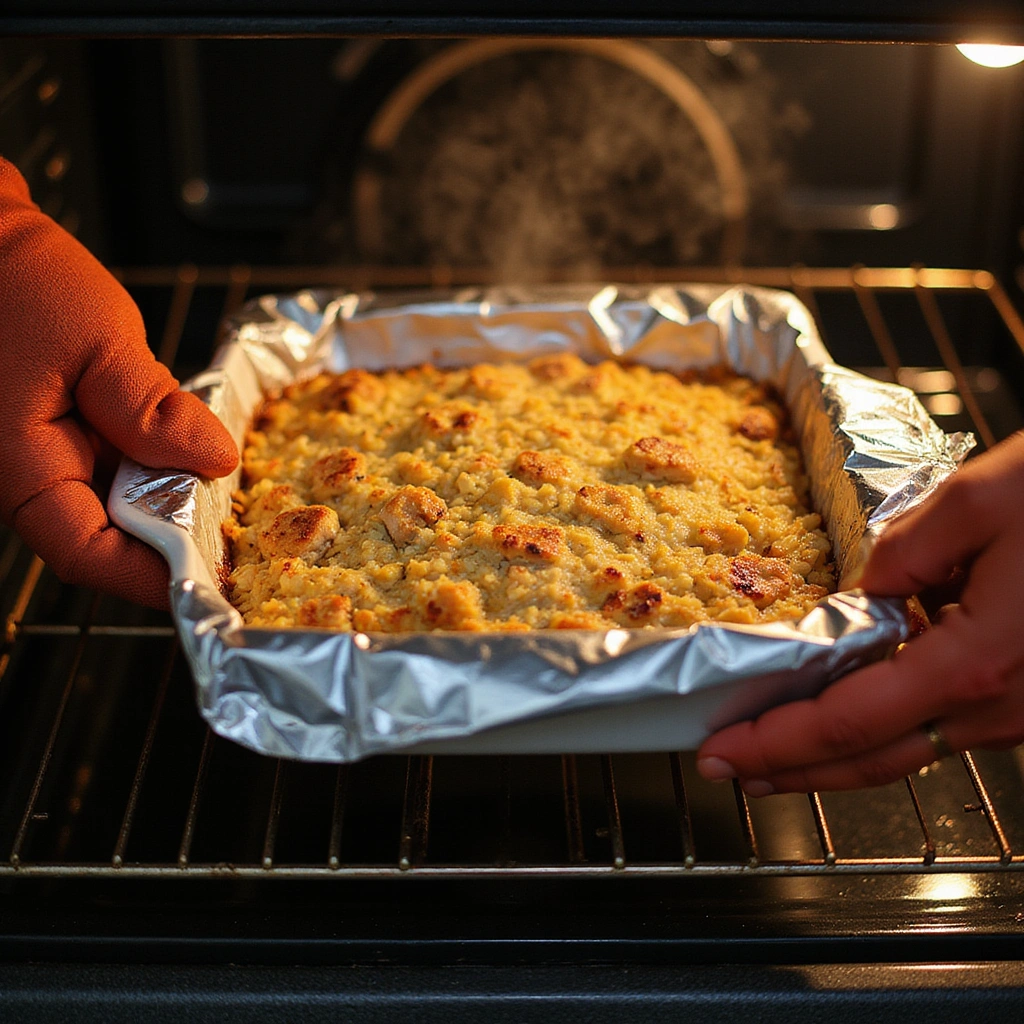
Cover the baking dish with aluminum foil to trap steam.
This will help the rice cook thoroughly without becoming dry.
Place the dish in the preheated oven and bake for 30 minutes.
Keep an eye on it to ensure it doesn’t overcook.
Step 7: Uncover and Continue Baking
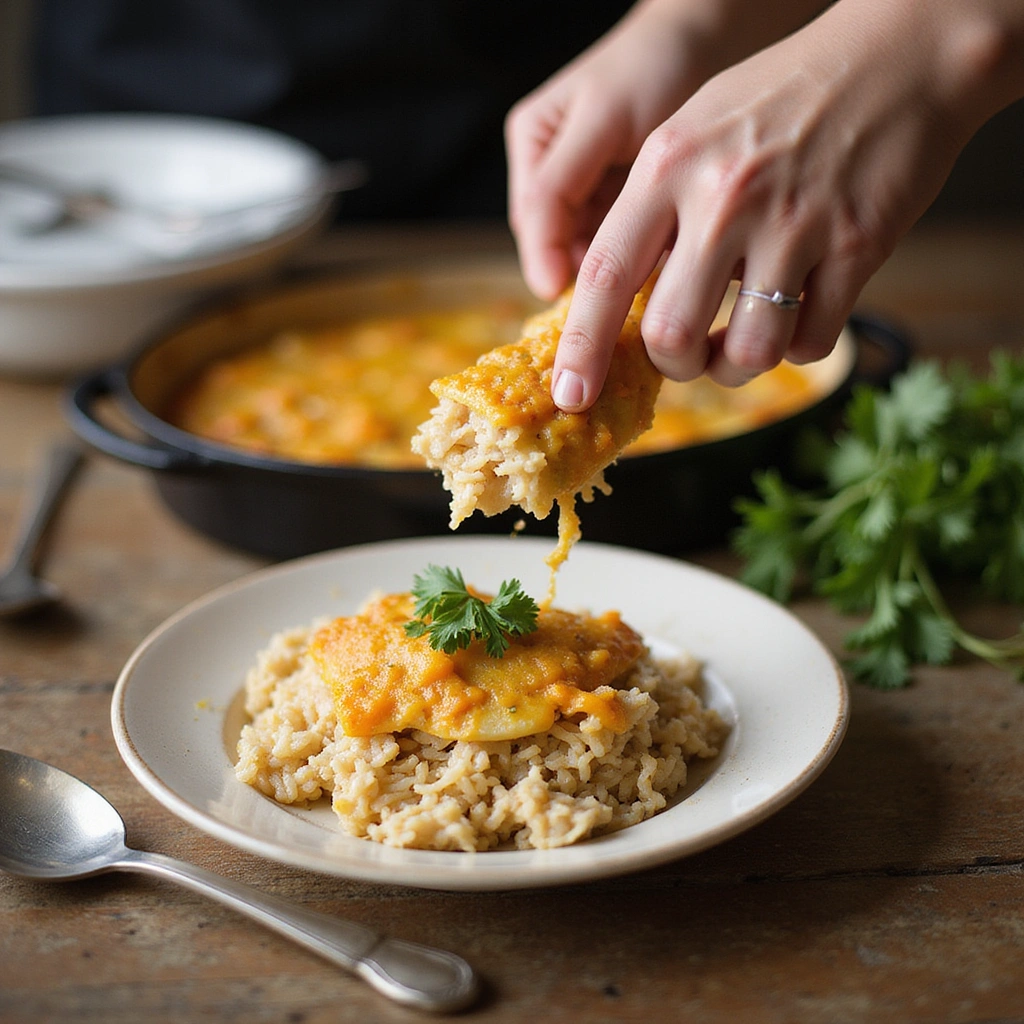
After 30 minutes, carefully remove the foil from the casserole.
This allows the top to brown slightly while the rice finishes cooking.
Return the dish to the oven and continue baking for an additional 15 minutes.
Look for a bubbly texture around the edges to indicate it’s done.
Step 8: Check for Doneness
Once the total baking time reaches 45 minutes, check the casserole for doneness.
The rice should be tender, and the mixture should be bubbly.
If it’s still liquidy, return to the oven for another 5-10 minutes.
Allow the casserole to rest for a few minutes before serving to let it set.
Critical Timing and Temperature Guide
Preheating: Always preheat the oven for at least 15 minutes to ensure even cooking. Using an oven thermometer can help verify the correct temperature.
Baking Time: Bake for a total of 45 minutes, covering for the first 30 minutes to retain moisture. Look for bubbling around the edges as a sign of doneness.
Resting Time: Let the casserole sit for at least 5-10 minutes after removing it from the oven to allow flavors to meld and the texture to set.
Pro Tips for Campbell’s Chicken And Rice Casserole Recipes Easy Weeknight Meal
• Ingredient Selection: Use high-quality chicken or homemade broth for richer flavor.
• Preparation Secret: Soaking the rice for 30 minutes before mixing helps it cook evenly in the casserole.
• Temperature Management: Ensure all ingredients are at room temperature before combining for even cooking.
• Texture Enhancement: Add a sprinkle of cheese before the final 15 minutes of baking for a creamy top.
• Flavor Layering: Incorporate fresh herbs like parsley or thyme for added depth.
• Make-Ahead Strategies: Assemble the casserole a day in advance and refrigerate, baking it when ready to serve.
• Restaurant-Quality Finishing Touches: Garnish with fresh herbs before serving for a pop of color and flavor.
• Equipment Optimization: Use a non-stick spray or butter to grease the baking dish for easy cleanup.


Troubleshooting Common Issues
• Rice Not Cooking: This can occur if the casserole isn’t covered for the first part of baking. Always cover with foil initially to trap steam.
• Casserole Too Dry: If the casserole turns out dry, it may have baked too long or lacked sufficient moisture. Ensure to check the liquid levels and cover during baking.
• Uneven Cooking: Stir the mixture well before baking to prevent clumps of rice. Also, ensure your oven is preheated properly.
• Flavor Lacking: If the casserole is bland, adjust seasonings before baking. Taste the mixture to ensure it’s well-seasoned.
• Ingredients Not Combining: If the casserole looks separated, ensure to mix all ingredients thoroughly before baking.
Variations and Regional Differences
• Southern Style: Add crumbled cornbread into the mixture for a unique texture and flavor profile typical of Southern cuisine.
• Mexican Variation: Incorporate black beans, corn, and diced tomatoes with green chilies for a zesty twist.
• Asian-Inspired: Use soy sauce and add mushrooms along with bok choy for a unique take on the classic.
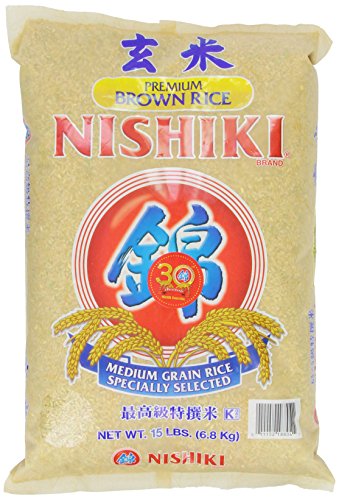
• Modern Interpretations: Quinoa or brown rice can be swapped for white rice for a healthier, whole-grain option.


Food Science Behind the Recipe
• Gelatinization: The cooking process causes the starches in the rice to gelatinize, thickening the casserole and creating a creamy texture.
• Maillard Reaction: Browning the casserole during the last stages of baking enhances its flavor and adds depth, thanks to the Maillard reaction.
• Emulsification: The creaminess from the soup combines with the other ingredients, creating a cohesive mixture that binds flavors together.
Frequently Asked Questions
What’s the most common mistake people make when preparing Campbell’s Chicken and Rice Casserole? The most frequent error is not properly covering the dish while it bakes, leading to dry rice. Always cover for the first part of baking.
Can I prepare components of this dish in advance? Yes, you can assemble the casserole in advance and keep it in the refrigerator for up to 24 hours before baking.
How do I adapt this recipe for dietary restrictions? You can use gluten-free soup and rice to make it gluten-free, or replace chicken with tofu for a vegetarian version.
What’s the best way to store and reheat leftovers? Store leftovers in an airtight container in the fridge for up to 3 days. Reheat in the microwave or oven, covered, to retain moisture.
Can I freeze this dish? Yes, it freezes well. Prepare the casserole and freeze it before baking for up to 3 months. Thaw in the fridge before baking.
What wine or beverages pair best with this dish? A light white wine like Sauvignon Blanc complements the dish nicely, balancing its creamy texture.
How can I scale this recipe up for a crowd? Simply double the ingredients and use a larger baking dish to accommodate the increased volume.
What side dishes complement this recipe best? A simple green salad or steamed vegetables pair well, providing a fresh contrast to the richness of the casserole.
How do professional chefs elevate this dish for restaurant service? They often add gourmet touches like truffle oil or serve with a side of homemade sauce for added depth.
Serving and Presentation Guide
• Traditional Presentation: Serve directly from the baking dish, garnished with chopped parsley or paprika for a pop of color.
• Modern Plating Ideas: Use individual ramekins for personal servings, garnishing each with fresh herbs and a drizzle of olive oil.
• Accompaniment Suggestions: Serve with crusty bread or a crisp salad to balance the richness of the casserole.
• Special Occasion Presentation: For formal gatherings, consider serving with a side of garlic bread and a well-paired wine to elevate the dining experience.



Conclusion
I encourage you to try making Campbell’s Chicken and Rice Casserole for your next family dinner.
It’s a simple yet delicious dish that brings everyone together around the table.
With its comforting flavors and easy preparation, it’s sure to become a family favorite.
Happy cooking, and enjoy every bite!