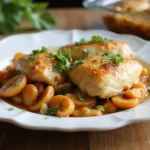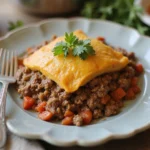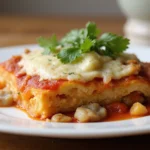
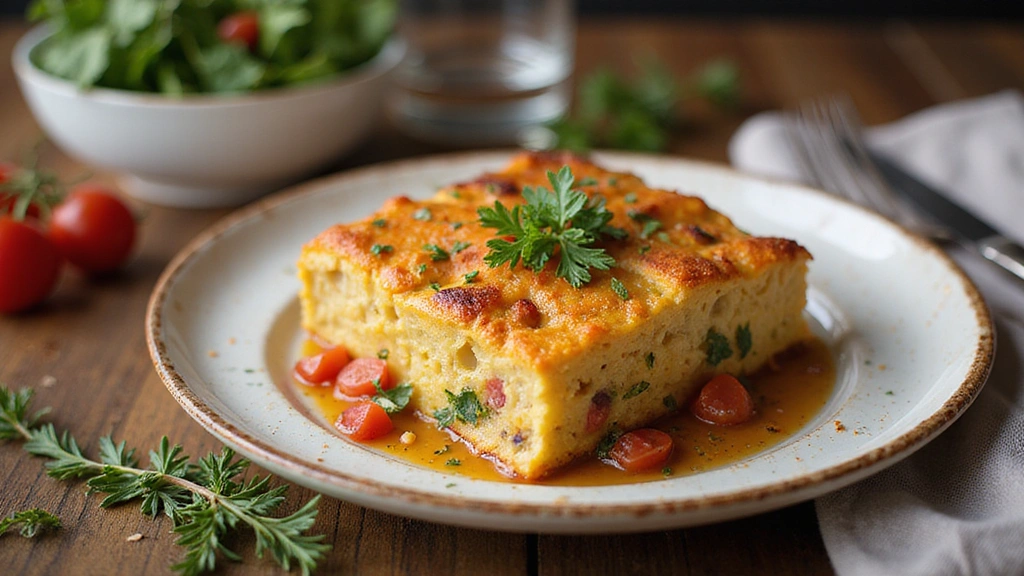
Casserole recipes for Christmas dinner are a warm embrace of comfort and festivity that evoke cherished memories and family gatherings.
The combination of flavors and textures creates a delightful experience that resonates with the spirit of the holiday season.
I fondly recall my grandmother’s signature casserole, a dish that brought us together year after year, filling our home with tantalizing aromas.
This versatile dish can be tailored to suit any palate, making it an ideal centerpiece for your holiday feast.
The History and Cultural Significance
• Casserole recipes for Christmas dinner trace their origins back to ancient times, where they were created as a practical way to combine leftovers and seasonal ingredients.
• The dish evolved over the centuries as families adapted recipes to include regional specialties and personal touches, resulting in a multitude of variations.
• In many cultures, casseroles symbolize togetherness and comfort, often served during holidays and family celebrations, reflecting the importance of sharing meals.
• While many variations exist across different regions, the authentic version maintains a creamy base and hearty ingredients that set it apart from imitations.
Recipe Overview
Nutritional Information (per serving)
Ingredients


Essential Equipment Guide
Casserole Dish: A sturdy casserole dish is essential for even cooking and heat retention. Look for one made of ceramic or glass that can withstand high oven temperatures.
Mixing Bowl: A large mixing bowl is important for combining ingredients thoroughly. Opt for a bowl that is heavy-duty and has a non-slip base for stability.
Wooden Spoon: A wooden spoon is ideal for mixing ingredients without scratching your cookware. Choose a spoon with a sturdy handle to ensure a good grip while stirring.
Preparation Methods
Shredding Chicken: Use cooked chicken and shred it with two forks or your hands. This technique allows for even distribution throughout the casserole. Ensure the chicken is cooled slightly to prevent burns while shredding.
Cooking Pasta Al Dente: Boil pasta until it’s just firm to the bite. This prevents it from becoming mushy when baked in the casserole. Drain and rinse with cold water to stop the cooking process if you’re not using it immediately.
Layering Ingredients: Start with a base layer of pasta, followed by chicken, veggies, and sauce. This method ensures even cooking and flavor distribution, making sure every bite is delicious.
Step 1: Prepare Ingredients

Gather all the ingredients needed for the casserole.
Make sure to have everything prepped and measured for efficiency.
Proper preparation reduces cooking time and streamlines the process.
Ensure that your vegetables are chopped and your pasta is cooked before starting the assembly.
Step 2: Mix the Base
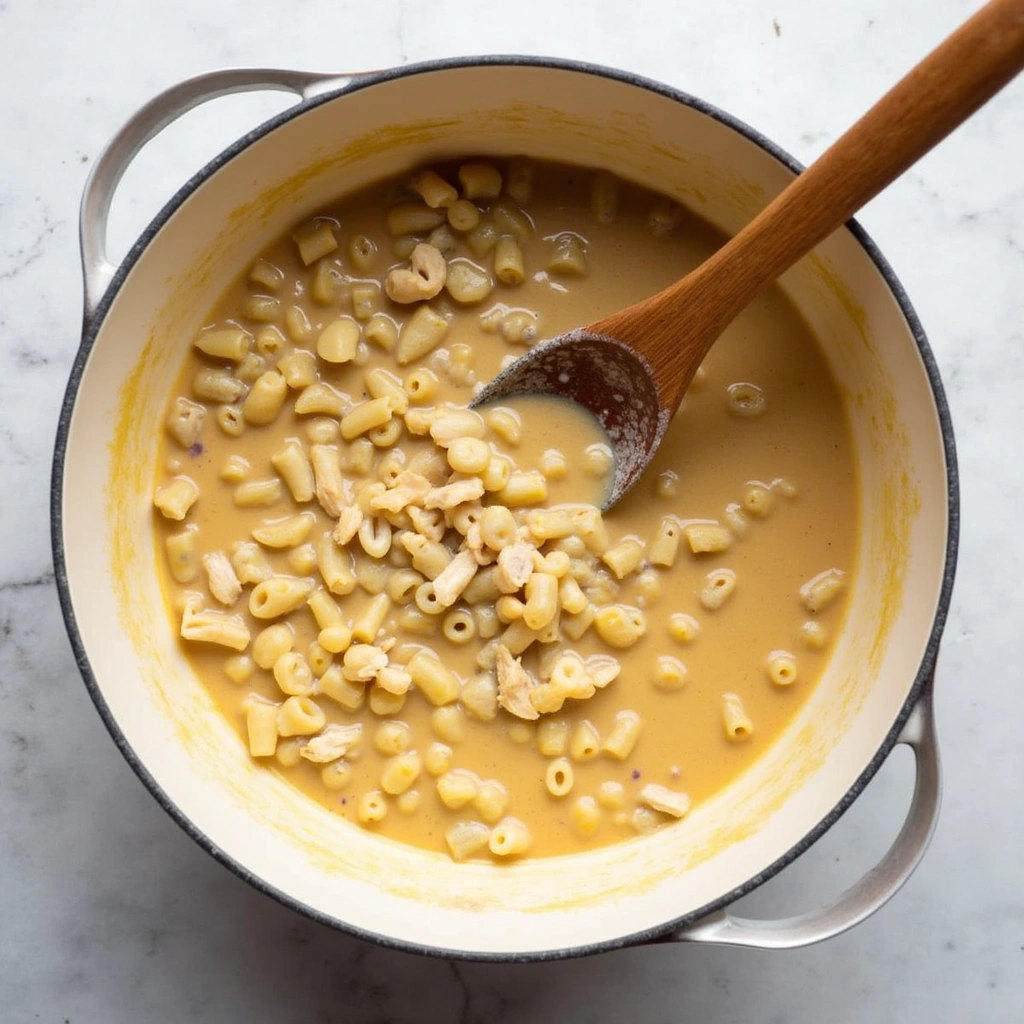
In a large mixing bowl, combine the cooked pasta and shredded chicken.
Add the cream of mushroom soup and milk, stirring until fully blended.
This mixture should have a creamy consistency without being too runny.
Ensure that all pasta and chicken are evenly coated for the best flavor.
Step 3: Add Vegetables
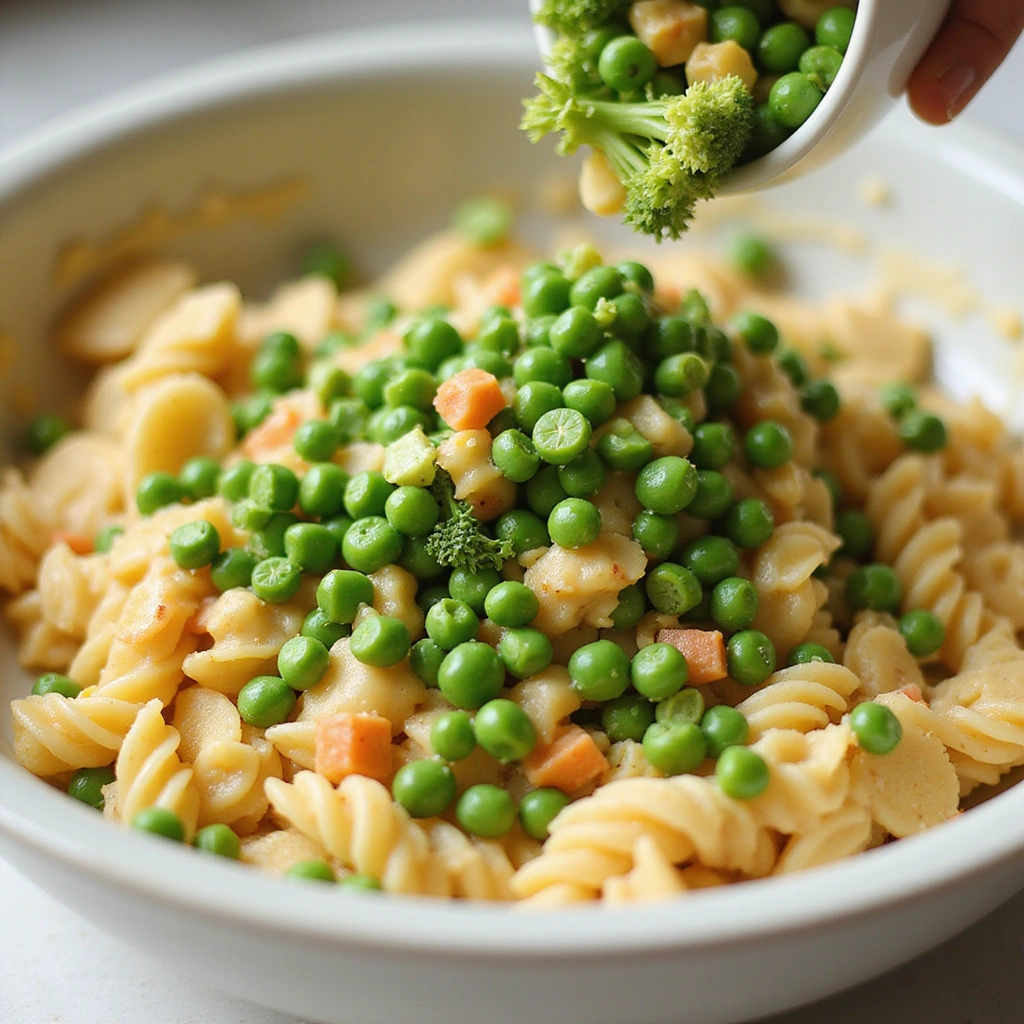
Fold in the frozen peas and chopped broccoli into the mixture.
This adds color and nutrients to the dish.
Mix gently to avoid breaking the pasta or vegetables.
Ensure that the veggies are evenly distributed throughout the mixture.
Step 4: Season the Mixture
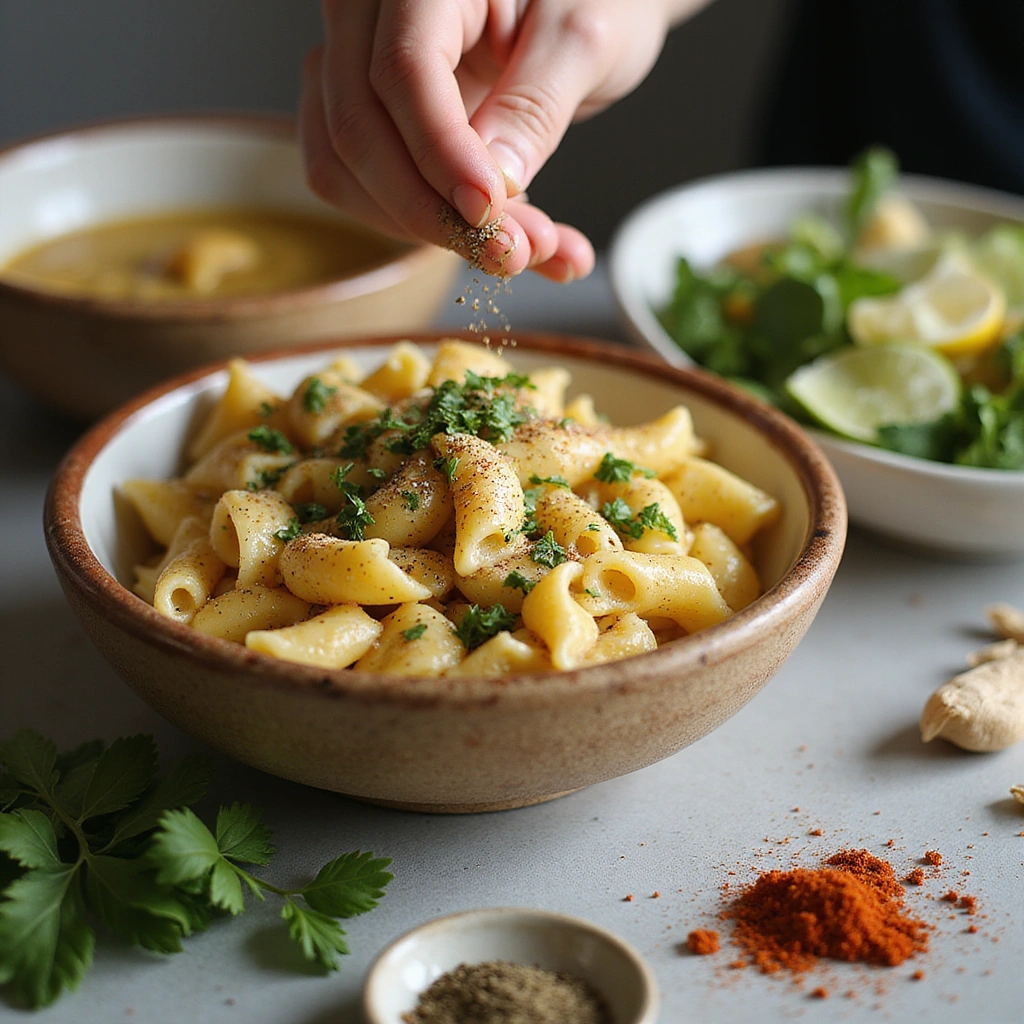
Sprinkle garlic powder and onion powder over the mixture.
These seasonings enhance the overall flavor profile.
Mix thoroughly to ensure that the seasonings are evenly distributed.
Taste the mixture to adjust seasoning if necessary.


Step 5: Prepare the Casserole Dish
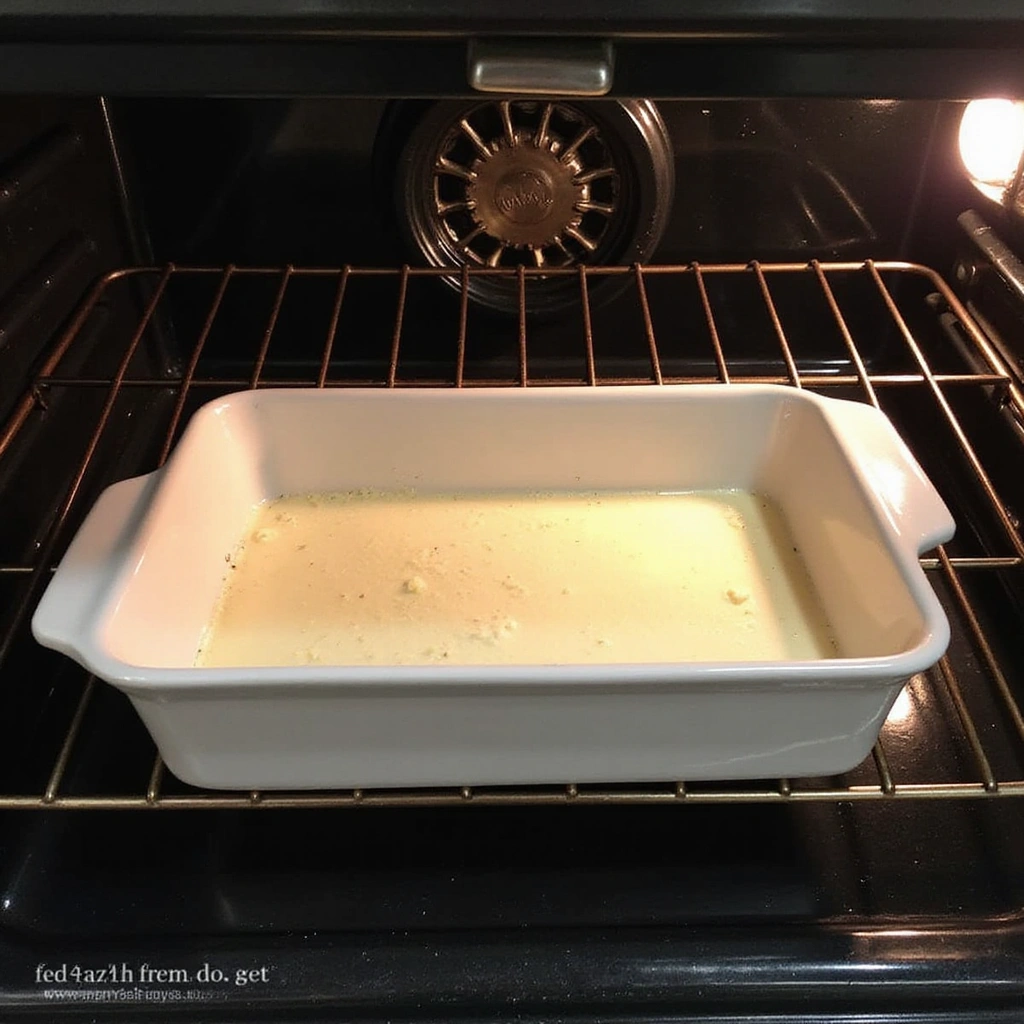
Preheat your oven to 350°F (175°C) while preparing the casserole.
Grease the casserole dish with butter or cooking spray to prevent sticking.
This ensures an easy release when serving the casserole.
Use a generous amount to coat the bottom and sides of the dish evenly.


Step 6: Assemble the Casserole
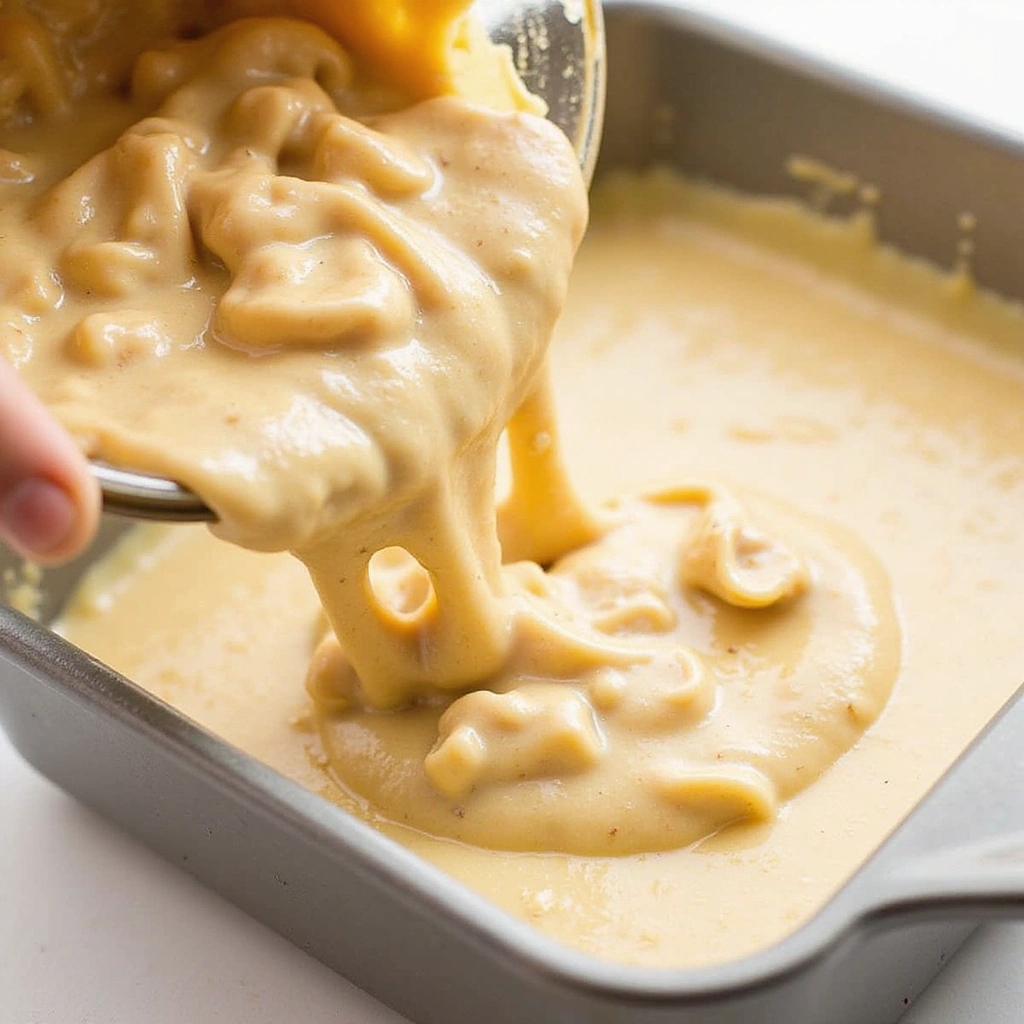
Pour the pasta mixture into the greased casserole dish.
Spread it evenly across the bottom to ensure uniform cooking.
Press down gently to compact the ingredients slightly.
This helps the casserole hold together better when serving.
Step 7: Add Toppings
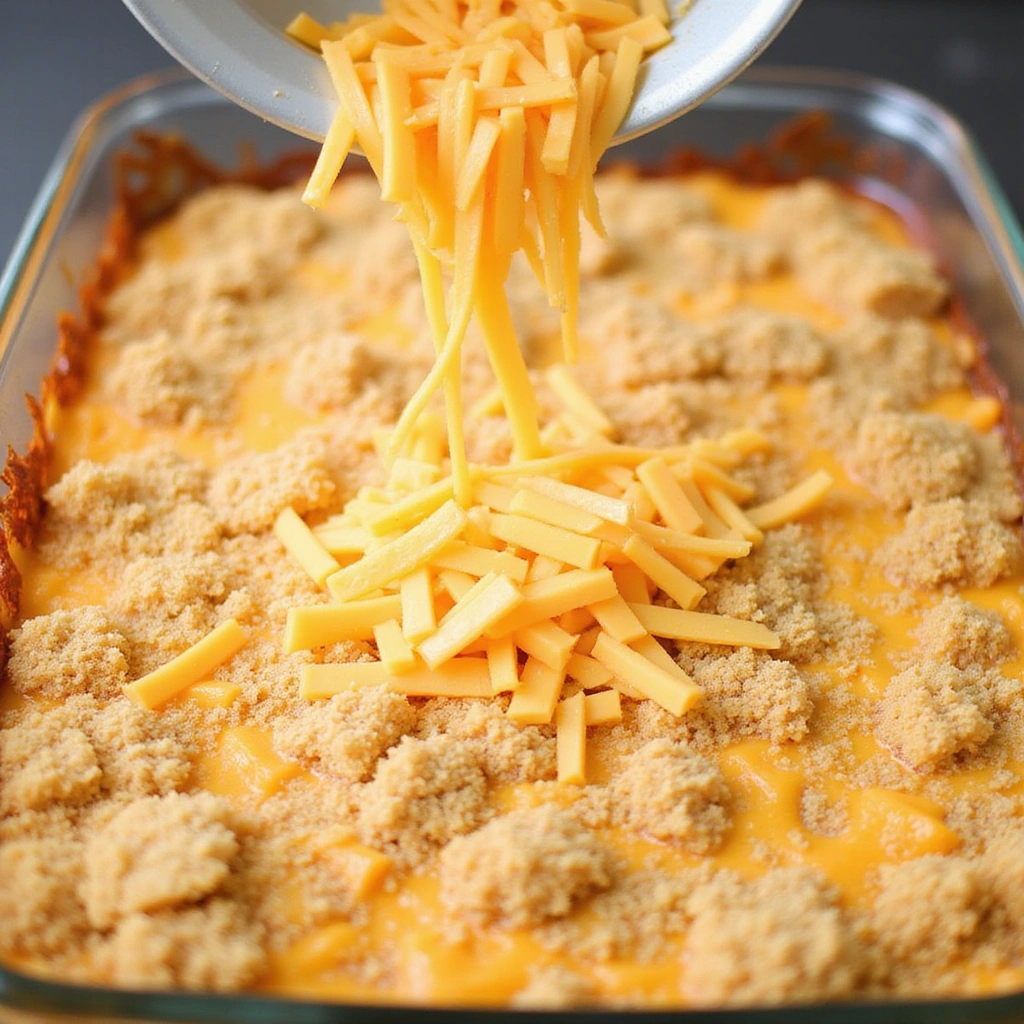
Sprinkle the shredded cheddar cheese evenly over the top of the casserole.
Follow with a layer of bread crumbs for added crunch.
Make sure to cover the entire surface for even browning.
This will create a beautiful golden crust as it bakes.
Step 8: Bake the Casserole
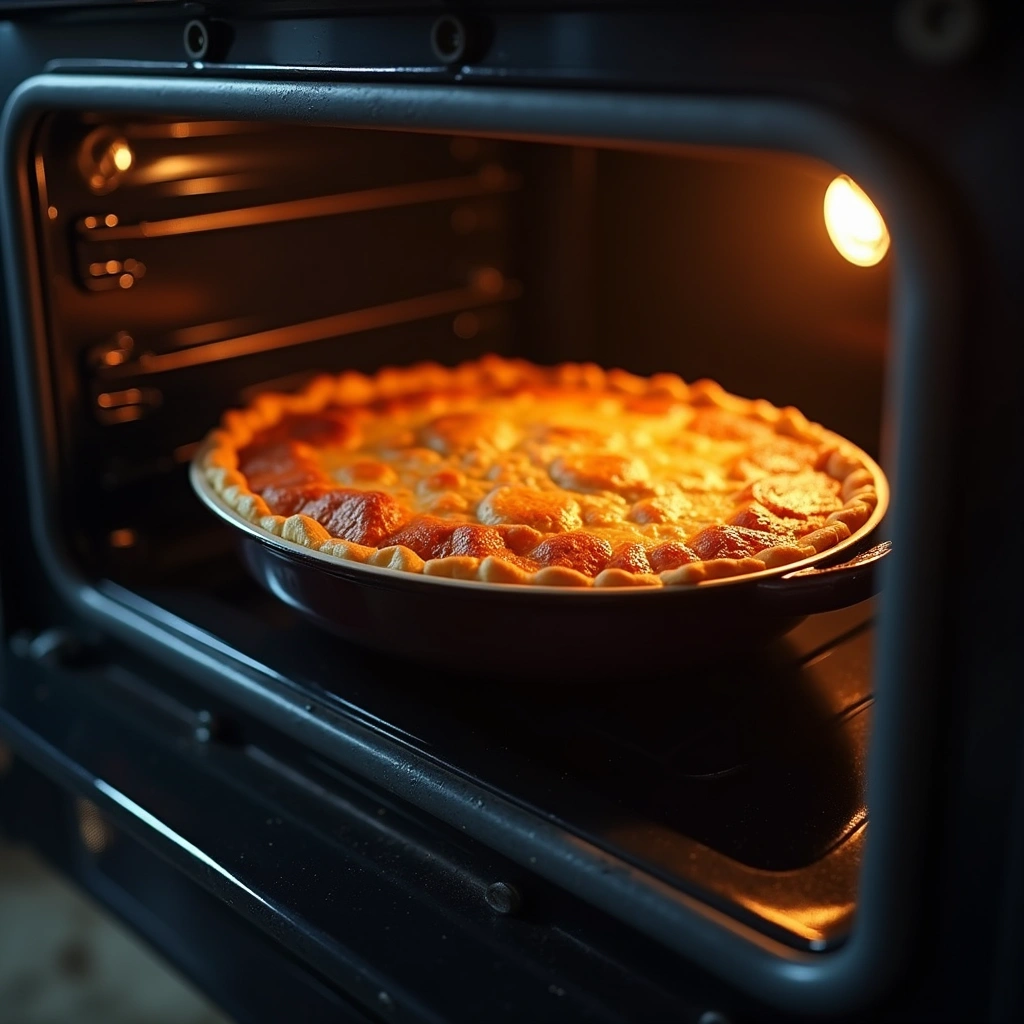
Place the casserole in the preheated oven and bake for about 45 minutes.
Look for the cheese to be melted and bubbly, and the top to be golden brown.
Check for doneness by inserting a knife into the center; it should come out hot.
Avoid overcooking to prevent drying out the casserole.


Step 9: Let it Cool
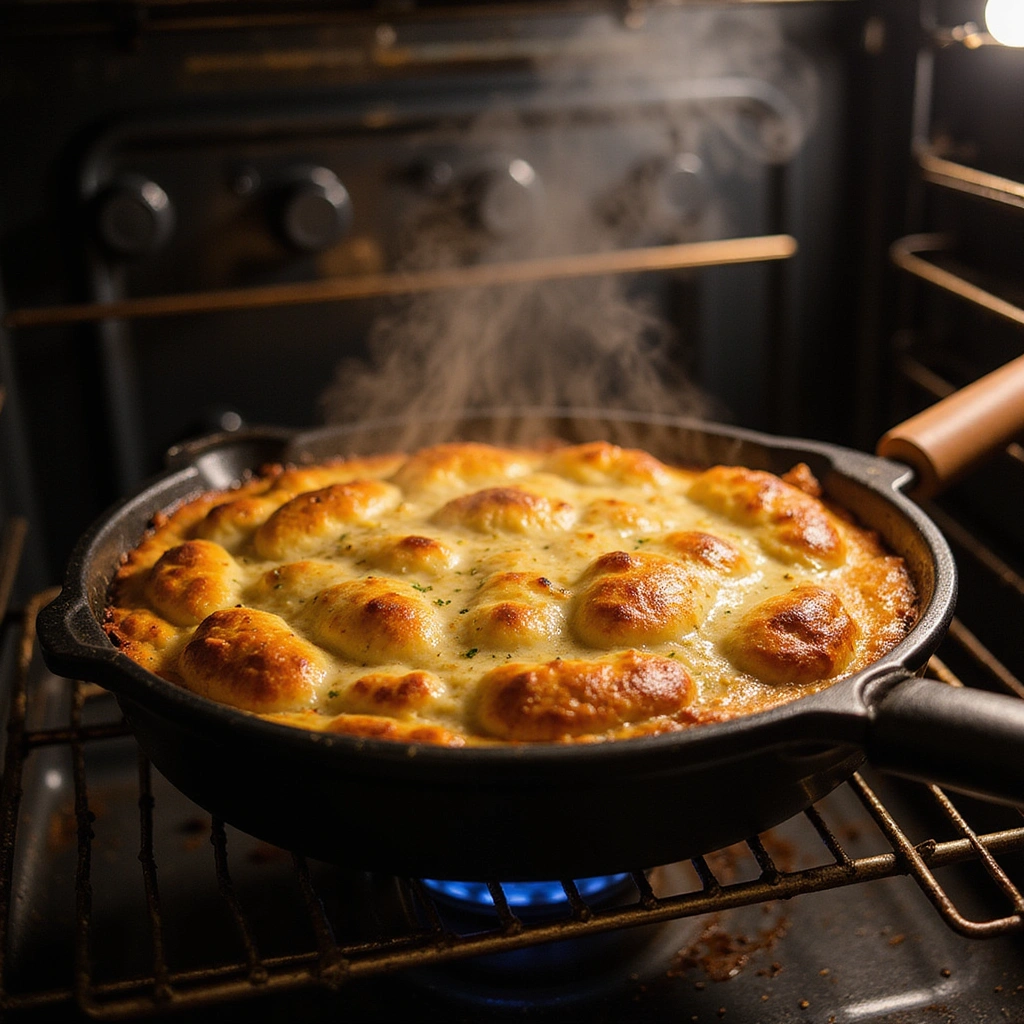
Remove the casserole from the oven and let it cool for 10-15 minutes.
This allows the layers to set, making serving easier.
Cut into squares or scoop out portions for serving.
Serve warm and enjoy the delightful flavors of your holiday casserole.
Critical Timing and Temperature Guide
Baking Time: Bake the casserole at 350°F (175°C) for 45 minutes, until the cheese is melted and the top is golden brown. Look for bubbling edges as a sign of doneness. Avoid opening the oven frequently to maintain temperature.
Cooling Time: Let the casserole cool for 10-15 minutes after baking. This helps to firm up the layers, making it easier to cut and serve. Cutting too early may cause the casserole to fall apart.
Serving Temperature: Serve the casserole warm, around 140°F (60°C) for optimal flavor. Use a food thermometer to check the temperature if unsure.



Pro Tips for Casserole Recipes For Christmas Dinner Festive And Delicious
• Ingredient Selection: Choose high-quality chicken and fresh vegetables for the best flavor and texture. The quality of these key ingredients can significantly elevate your casserole.
• Preparation Secret: Consider cooking your pasta just a minute less than al dente, as it will absorb moisture while baking, preventing mushiness.
• Temperature Management: Ensure your ingredients are at room temperature before mixing. Cold ingredients can lead to an uneven bake.
• Texture Enhancement: For a creamier texture, consider adding a dollop of sour cream or cream cheese to the sauce mixture.
• Flavor Layering: Incorporate fresh herbs like thyme or parsley for a burst of flavor that enhances the overall dish.
• Make-Ahead Strategies: Prepare the casserole a day in advance; store it covered in the fridge. Bake it just before serving to maintain freshness.
• Restaurant-Quality Finishing Touches: Garnish with fresh herbs right before serving for a pop of color and freshness.
• Equipment Optimization: Use a sturdy casserole dish that can handle the oven heat without warping for the best results.
Troubleshooting Common Issues
• Texture Too Dense: This can happen if the pasta absorbs too much sauce or is overcooked. To fix this, add a little extra milk or broth before baking to loosen the mixture.
• Flavors Unbalanced: If your casserole lacks flavor, consider adding more spices and herbs to enhance the taste. Taste the mixture before baking to adjust accordingly.
• Uneven Cooking: This often occurs if the casserole dish is too small. Ensure you use a properly sized dish for even heat distribution.
• Top Burned: If the top browns too quickly, cover it loosely with foil for the last 15 minutes of baking. This will prevent burning while allowing the casserole to cook through.
• Not Enough Sauce: If your casserole seems dry after baking, add a little more sauce or broth before serving. Always check the moisture level before cooking.
Variations and Regional Differences
• Southern Style Casserole: This version includes ingredients like collard greens and cornbread, reflecting Southern culinary traditions. The addition of spices gives it a unique flavor profile.
• Mexican-Inspired Casserole: Incorporate black beans, corn, and diced tomatoes, topped with cheese. This variation highlights bold flavors and spices typical of Mexican cuisine.
• Vegetarian Casserole: Swap out the chicken for lentils or chickpeas along with a variety of seasonal vegetables. This version caters to vegetarian diets while still being hearty.
• Modern Interpretations: Contemporary versions may use quinoa or cauliflower rice as a base, catering to gluten-free or low-carb diets while retaining the comforting essence of the dish.


Food Science Behind the Recipe
• Gelatinization: This occurs when starches in the pasta absorb water during cooking, thickening the sauce. Understanding this helps in achieving the right consistency in your casserole.
• Maillard Reaction: This chemical reaction between amino acids and reducing sugars gives browned foods their distinctive flavor and color. It’s responsible for the golden crust on your casserole.
• Emulsification: This is the process of combining water-based and fat-based ingredients, which is key for a creamy texture in sauces. Knowing how to achieve a stable emulsion ensures a smooth sauce.
Frequently Asked Questions
What’s the most common mistake people make when preparing casserole recipes? A frequent issue is overcooking the pasta, leading to a mushy texture. Always cook pasta al dente to maintain its integrity in the casserole.
Can I prepare components of this dish in advance? Yes, you can prepare the casserole a day ahead and store it covered in the fridge. Just bake it before serving.
How do I adapt this recipe for dietary restrictions? For gluten-free diets, use gluten-free pasta and soups. For dairy-free options, substitute with plant-based alternatives.
What’s the best way to store and reheat leftovers? Store leftovers in an airtight container in the fridge for up to 3 days. Reheat in the microwave, ensuring even heating, or in the oven at 350°F (175°C) until warmed through.
Can I freeze this dish? Yes, you can freeze the casserole before baking. Thaw in the refrigerator overnight and bake as directed.
What wine or beverages pair best with this dish? A light white wine like Chardonnay complements the creamy flavors well, while sparkling water with a splash of lemon enhances the dining experience.
How can I scale this recipe up for a crowd? To serve more people, simply multiply the ingredients by the number of servings you need, ensuring you have a large enough casserole dish for even baking.
What side dishes complement this recipe best? A fresh green salad or garlic bread pairs nicely with the richness of the casserole, balancing the meal.
How do professional chefs elevate this dish for restaurant service? Chefs often add gourmet ingredients such as truffle oil or herbs de Provence to enhance flavor and presentation.
Serving and Presentation Guide
• Traditional Presentation: Serve the casserole directly from the dish, garnished with fresh parsley. Use a large serving spoon for generous portions.
• Modern Plating Ideas: For a contemporary twist, plate individual servings in a shallow bowl with a drizzle of sauce on the side and a sprinkle of microgreens.
• Accompaniment Suggestions: Pair with cranberry sauce or a light yogurt dip to complement the flavors of the casserole.
• Special Occasion Presentation: For festive occasions, serve in an elegant casserole dish and add festive garnishing with seasonal herbs or edible flowers.
Conclusion
This casserole recipe is not just a meal; it’s a celebration of flavors and memories that can become a cherished tradition in your family.
I encourage you to gather your loved ones and create your own memories around this delicious dish this holiday season.
As you savor each bite, may it bring warmth and joy to your Christmas dinner.