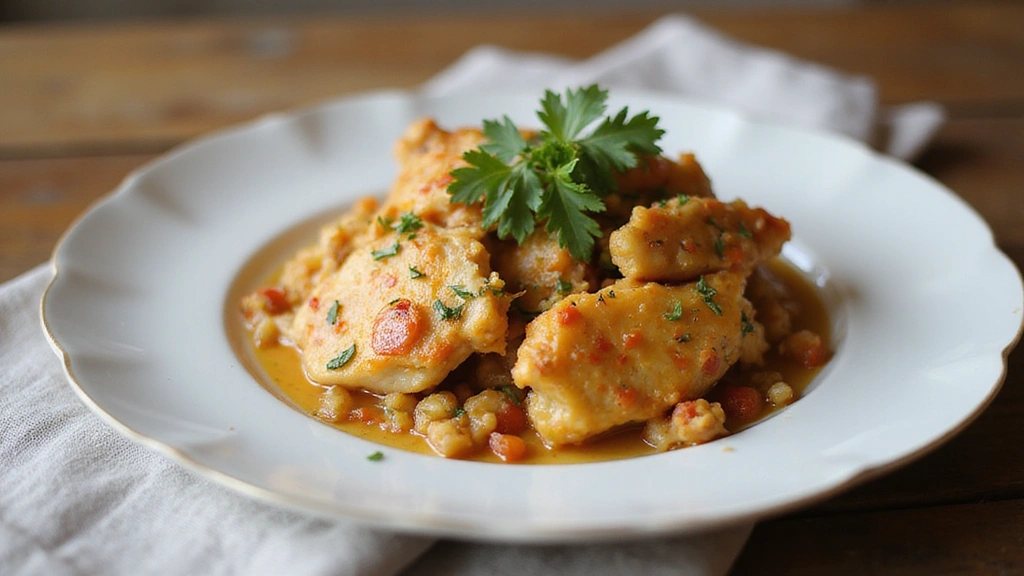
Chicken casserole is a quintessential comfort food that brings together wholesome ingredients and heartwarming flavors.
The combination of tender chicken, creamy sauce, and hearty vegetables creates a satisfying meal that’s perfect for any night of the week.
I first fell in love with chicken casserole during family gatherings, where it was always the star of the dinner table, inviting everyone to gather and share.
Whether you’re looking for a simple weeknight dinner or a dish to impress guests, this healthy chicken casserole recipe will leave everyone asking for seconds.
The History and Cultural Significance
• Chicken casserole recipes trace their origins to the early 20th century in the United States, where home cooks sought simple, one-dish meals that could feed families.
• Over the decades, the dish evolved with the introduction of convenience ingredients like canned soups, yet the core concept remained a comforting family meal.
• In American culture, chicken casseroles are often associated with potluck gatherings and holidays, symbolizing hospitality and community.
• While many variations exist, the authentic versions often focus on fresh, wholesome ingredients to enhance both flavor and nutrition.
Recipe Overview
Nutritional Information (per serving)
Ingredients


Essential Equipment Guide
Casserole Dish: A sturdy casserole dish is essential for even cooking and retaining heat. Look for a dish that can go from oven to table, ideally made of glass or ceramic for better heat distribution.
Mixing Bowl: A large mixing bowl is crucial for combining ingredients thoroughly. Opt for a bowl with a non-slip bottom for stability while mixing.
Measuring Cups and Spoons: Accurate measurements are key to successful cooking. Invest in a good set that includes both dry and liquid measuring tools for versatility.
Preparation Methods
Shredding Chicken: To achieve tender, bite-sized pieces, use two forks to pull apart cooked chicken. This method ensures even distribution throughout the casserole and enhances texture.
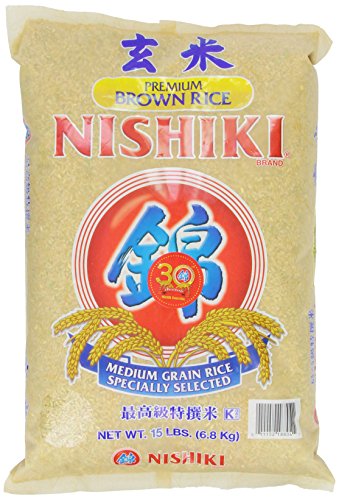
Cooking Rice: Use the absorption method for cooking brown rice, which requires rinsing, boiling, and simmering. This technique results in fluffy rice that complements the casserole well.
Mixing Ingredients: Combine the sauce and base ingredients in a large mixing bowl. This method ensures that every bite has a balanced flavor and texture.


Step 1: Prepare Ingredients
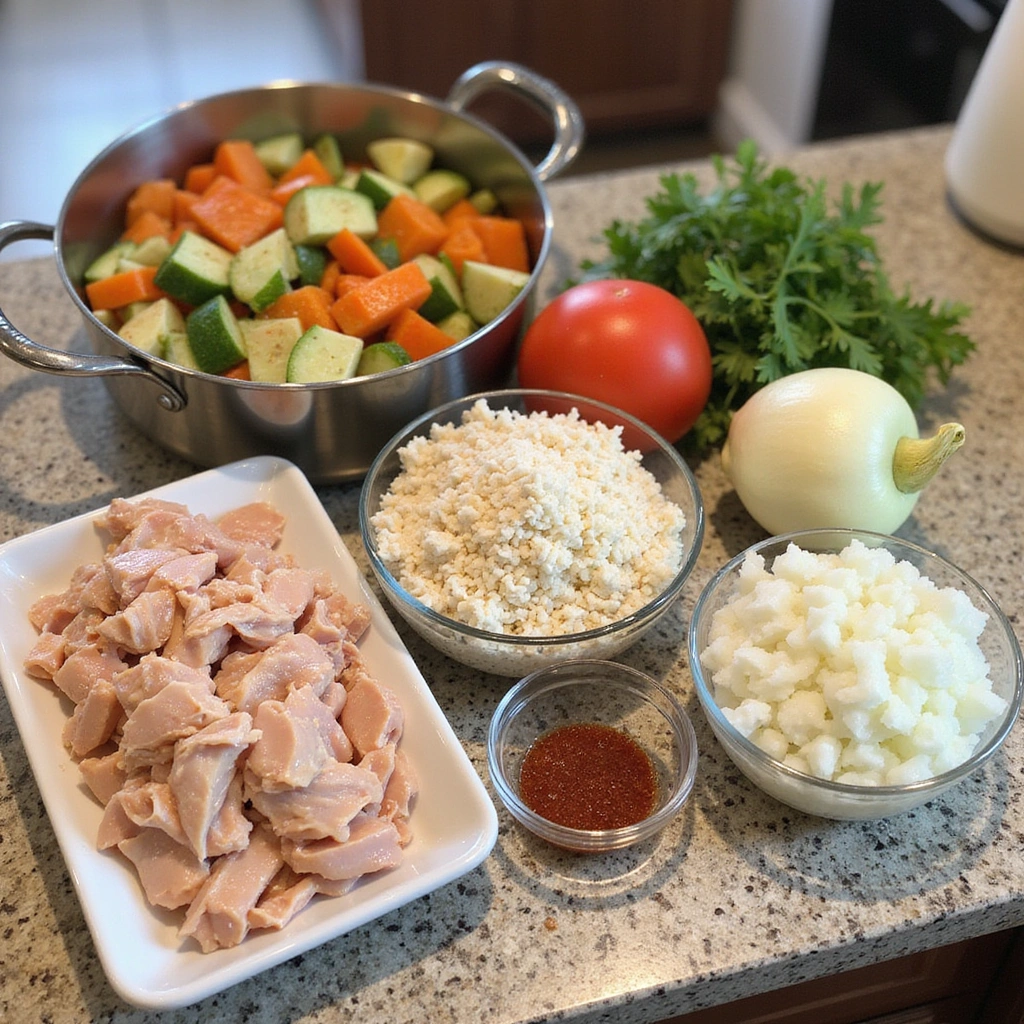
Begin by gathering all your ingredients on the countertop.
Make sure the chicken is cooked and shredded, and the rice is ready.
Chop the onion and measure out the frozen vegetables.
Having everything prepped will make the cooking process smoother.


Step 2: Preheat the Oven
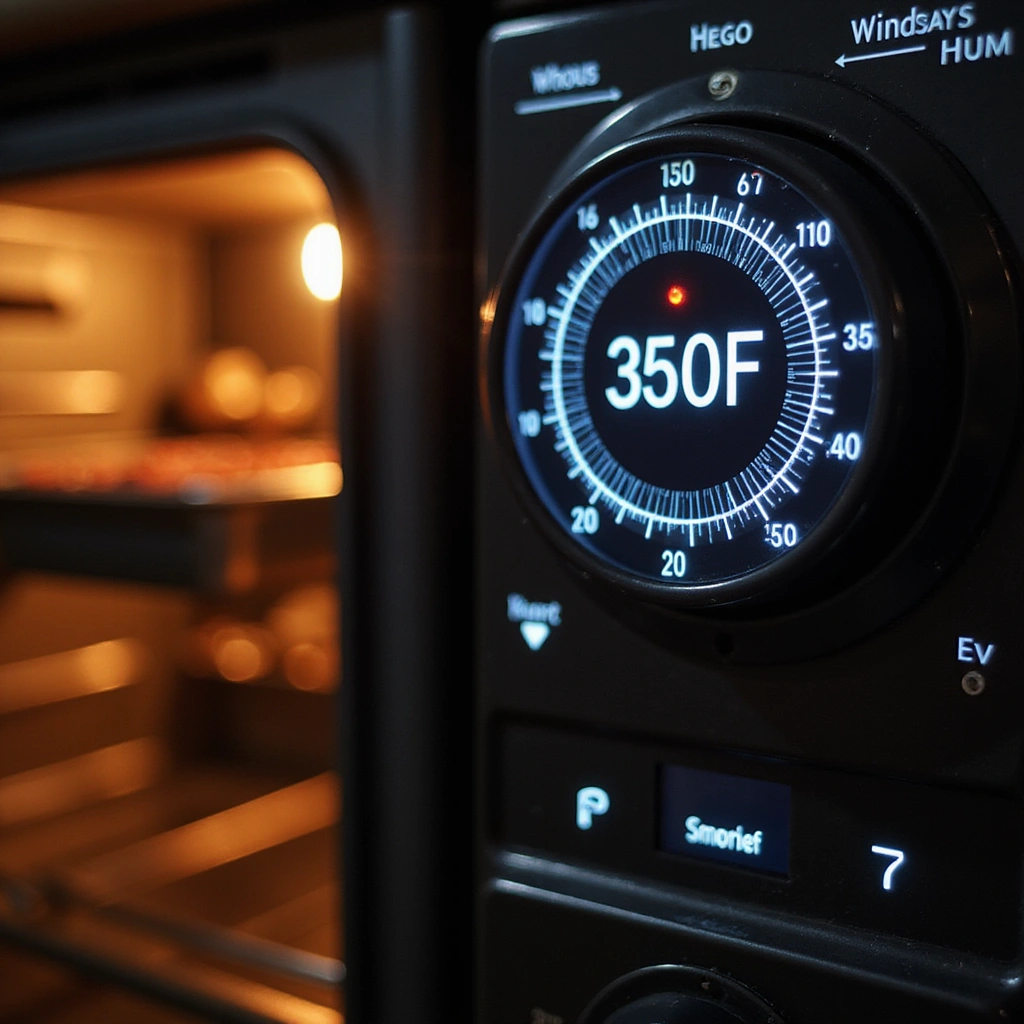
Set your oven to 350°F (175°C) to preheat while you prepare the casserole.
Preheating is essential for even cooking and ensuring the casserole bubbles properly.
Use an oven thermometer to check the temperature if you’re unsure.
This step will help achieve that perfect golden-brown top.



Step 3: Mix the Base Ingredients
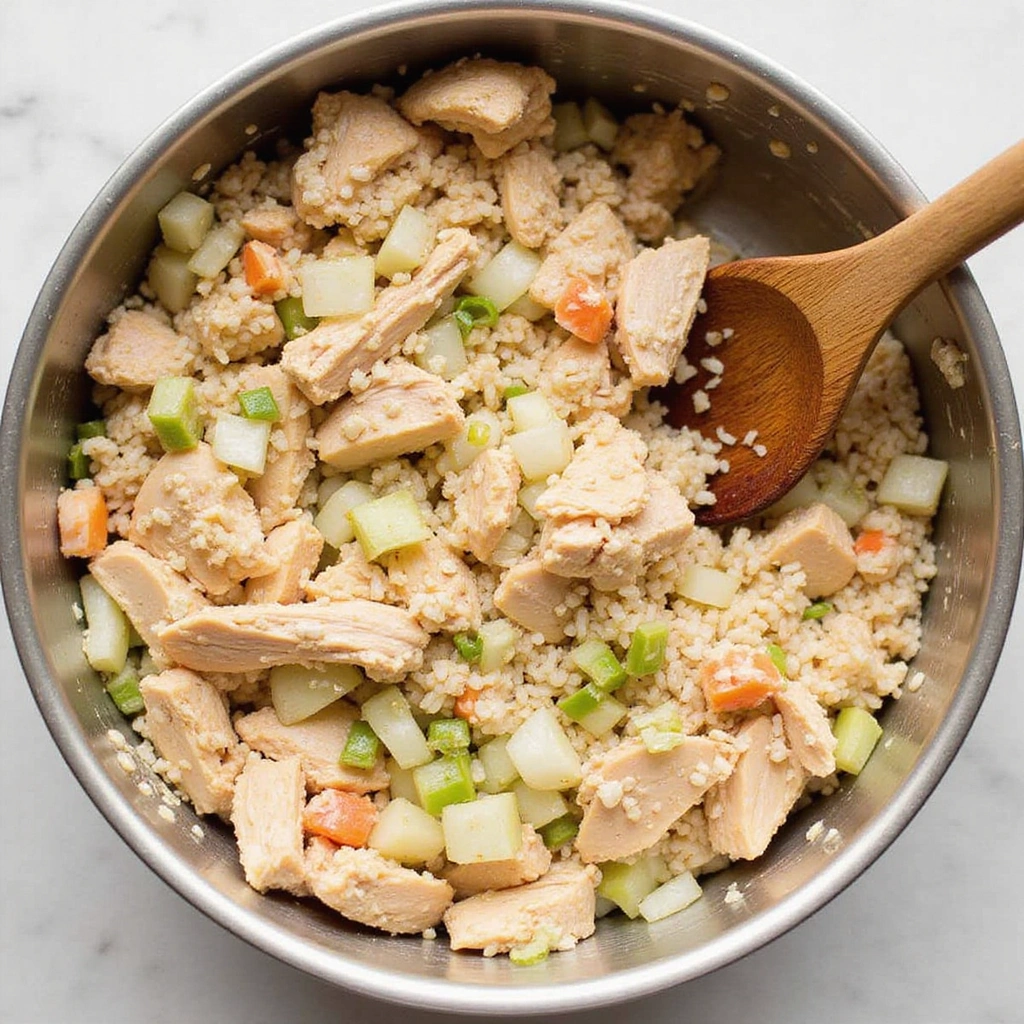
In a large mixing bowl, combine the shredded chicken and cooked rice.
Add the diced onion and frozen vegetables to the mix.
Stir these ingredients together until evenly distributed.
This base will provide the heartiness of the casserole.
Step 4: Prepare the Sauce
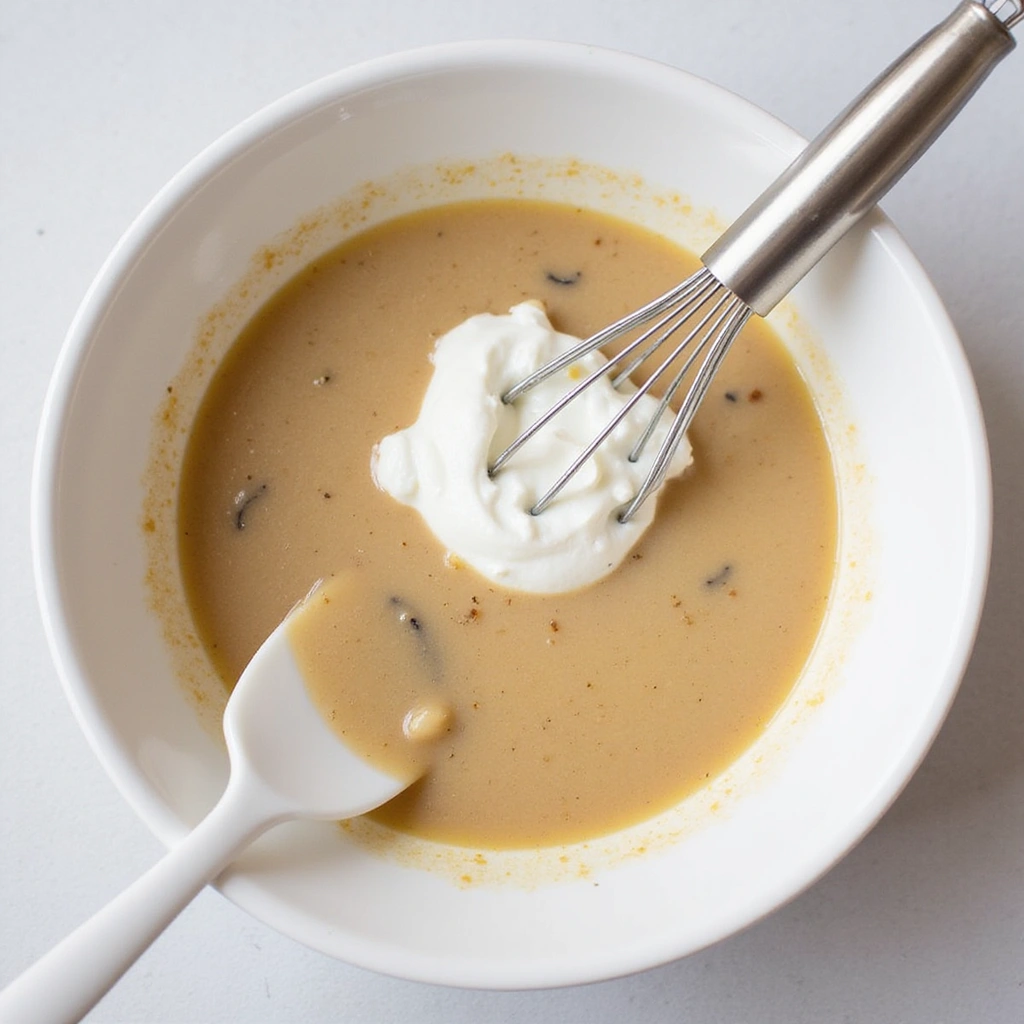
In a separate bowl, whisk together the cream of mushroom soup, chicken broth, and Greek yogurt.
Ensure the mixture is smooth and free of lumps for even distribution.
Taste for seasoning and adjust with pepper if needed.
This sauce will be the creamy layer that binds the casserole together.

Step 5: Combine Sauce and Base
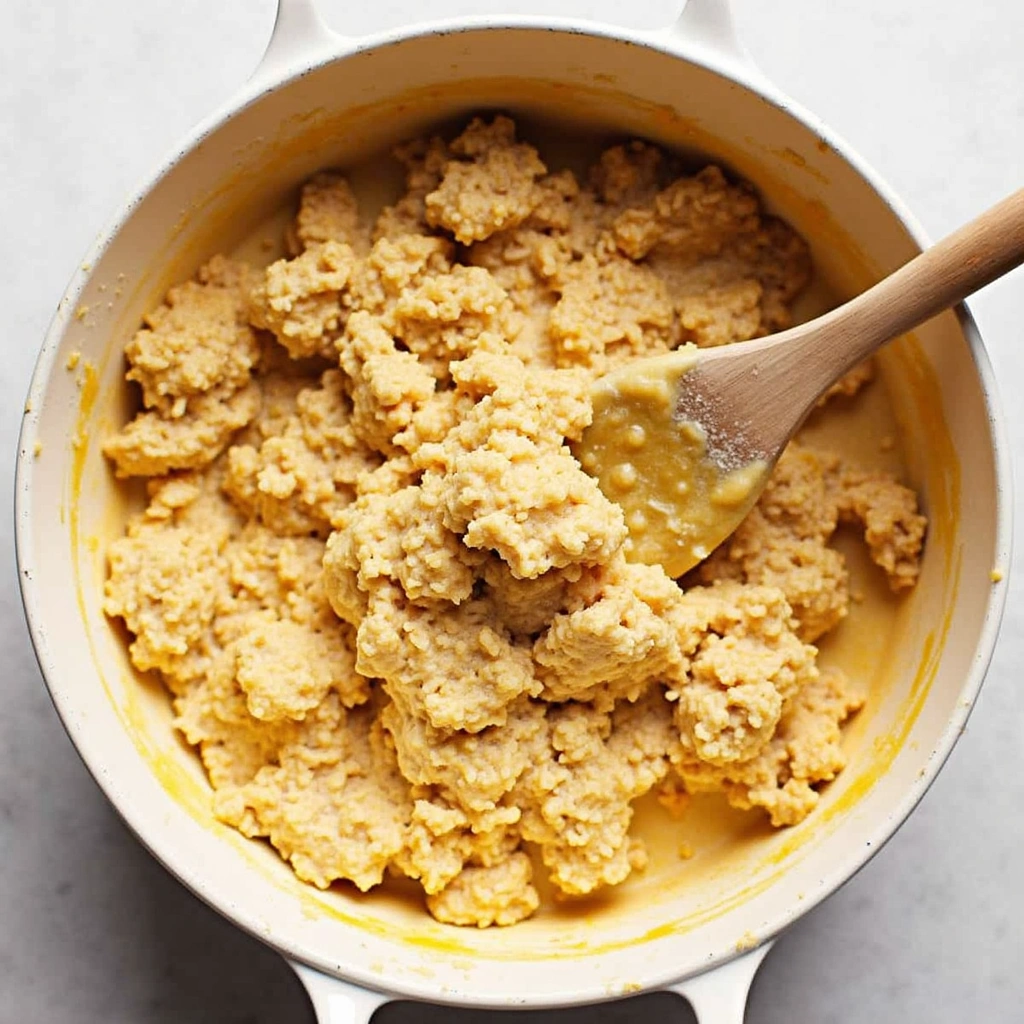
Pour the sauce mixture over the chicken and rice mixture in the large bowl.
Gently fold to combine, ensuring that all ingredients are coated with the sauce.
Be careful not to overmix, as you want to keep the texture intact.
This step is crucial for achieving a creamy casserole.
Step 6: Transfer to Casserole Dish
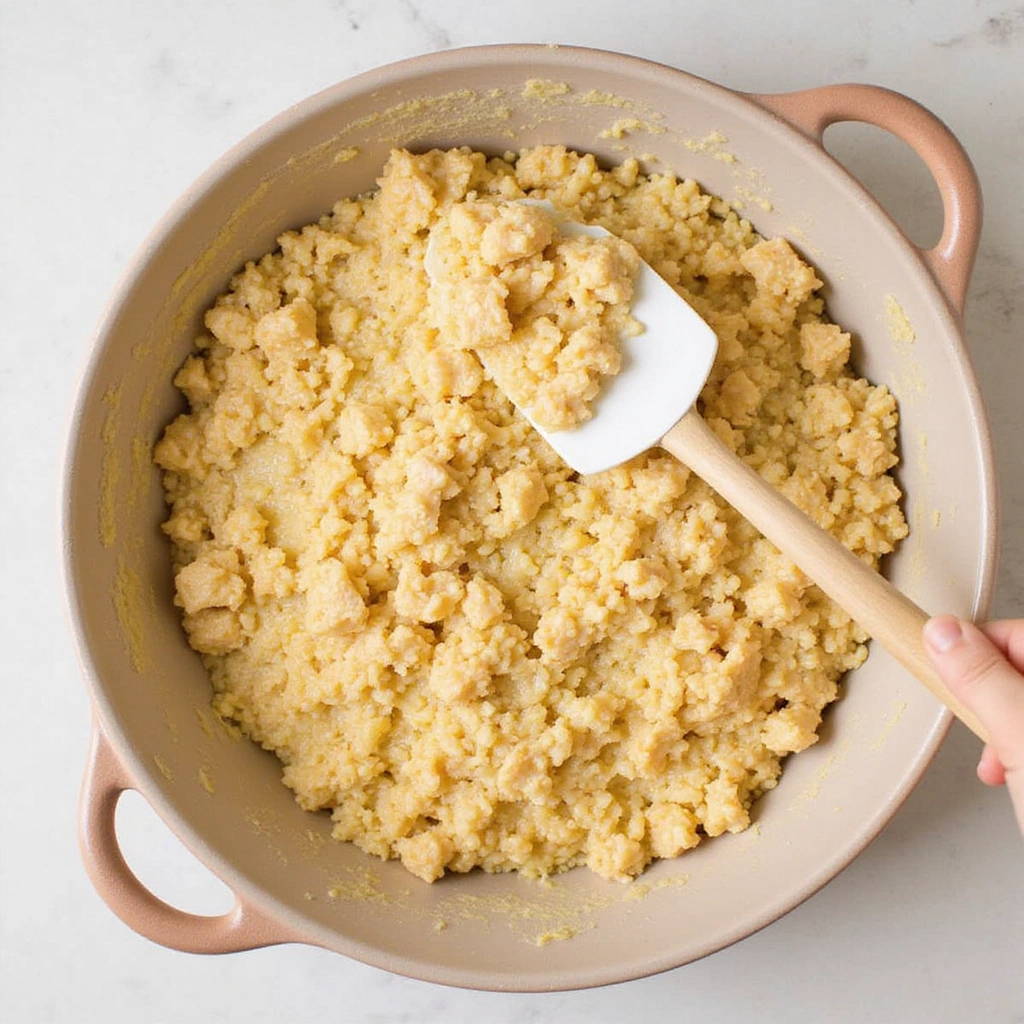
Grease your casserole dish lightly with cooking spray or oil.
Transfer the mixture into the dish, spreading it evenly.
Smooth the top with a spatula to ensure even cooking.
This will help the casserole cook uniformly and present nicely.
Step 7: Bake the Casserole
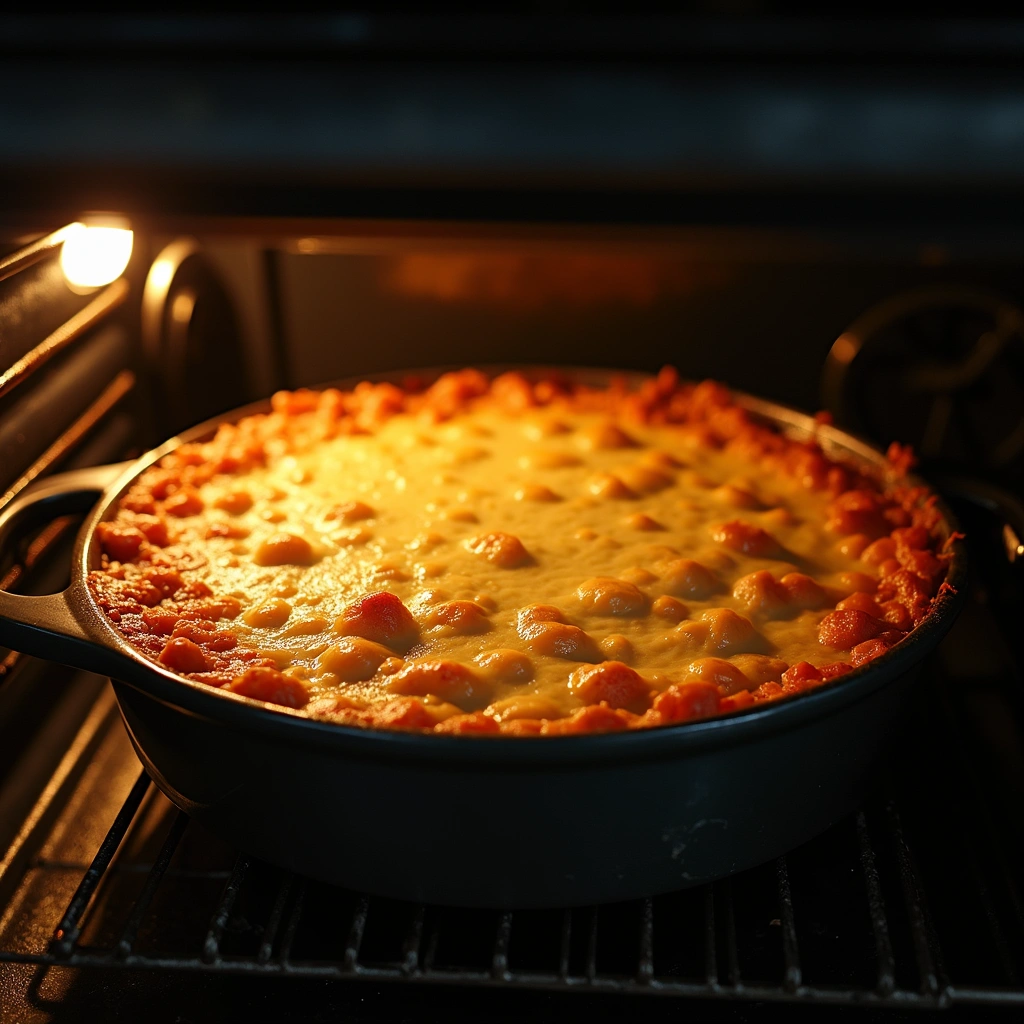
Place the casserole dish in the preheated oven.
Bake for about 30 minutes, or until the top is bubbly and golden brown.
Check for doneness by inserting a knife in the center; it should come out hot.
This baking time allows all flavors to meld beautifully.


Step 8: Let it Rest
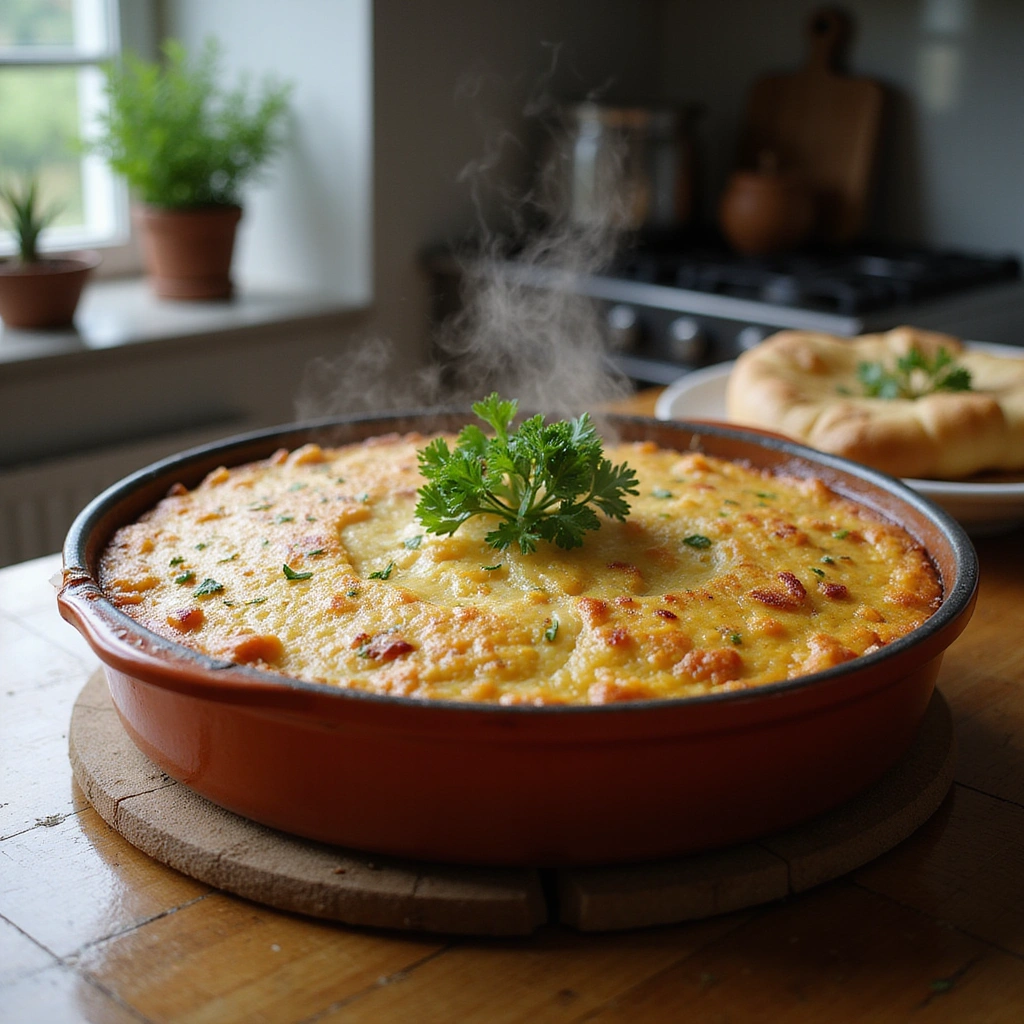
Once baked, remove the casserole from the oven and let it rest for about 5 minutes.
This resting time helps the casserole set, making it easier to serve.
You can garnish with fresh herbs like parsley or thyme for added flavor.
This final touch enhances both presentation and taste.
Critical Timing and Temperature Guide
Baking the Casserole: Bake for 30 minutes at 350°F (175°C). The casserole is done when the top is golden brown and bubbling. Common mistakes include underbaking, which can lead to a runny consistency.
Resting Time: Allow the casserole to rest for 5-10 minutes after baking. This helps the layers to set. Skipping this step can result in a messy serving.
Ingredient Temperature: Ensure all ingredients are at room temperature before mixing. Cold ingredients can cause uneven cooking and affect the overall texture.
Pro Tips for Chicken Casserole Recipes For Dinner Healthy Choices
• Ingredient Selection: Choose high-quality chicken and fresh vegetables. Fresh ingredients significantly enhance flavor and nutrition.
• Preparation Secret: For added depth of flavor, sauté the onions before mixing them in. This technique caramelizes the sugars in the onions, offering a sweeter taste.
• Temperature Management: Using room temperature ingredients helps achieve uniform cooking and texture.
• Texture Enhancement: For a crispy top, sprinkle breadcrumbs or crushed crackers mixed with a little olive oil on the casserole before baking.
• Flavor Layering: Incorporate herbs like thyme or rosemary into the sauce for added complexity.
• Make-Ahead Strategies: Prepare the casserole the night before and store it in the fridge. Bake it fresh the next day for convenience.
• Restaurant-Quality Finishing Touches: Finish with a sprinkle of fresh herbs and a squeeze of lemon juice for brightness before serving.
• Equipment Optimization: Use a deep casserole dish for even cooking. A glass dish allows you to monitor browning easily.


Troubleshooting Common Issues
• Texture Too Dense: This may occur if the rice or chicken is overcooked before mixing. Ensure each component is just cooked to avoid density; adjust cooking times accordingly.
• Flavors Unbalanced: If the casserole tastes bland, consider adding more seasoning or fresh herbs. Taste as you cook and adjust to your preference.
• Top Not Browning: If the top isn’t browning as expected, increase the oven temperature to 375°F (190°C) for the last few minutes. Keep a close eye to prevent burning.
• Too Dry: If the casserole turns out dry, ensure you have enough sauce. Consider adding a bit more broth or yogurt to the mixture.
• Not Heating Through: If the center is cold after baking, cover with foil and return to the oven, checking every few minutes until heated through.
Variations and Regional Differences
• Southern Style Casserole: This version includes ingredients like cream cheese and cheddar cheese, giving it a rich, indulgent flavor. Often topped with crushed potato chips for crunch.
• Mexican Chicken Casserole: Incorporates black beans, corn, and salsa, topped with Monterey Jack cheese for a spicy twist.
• Italian Chicken Casserole: Features marinara sauce, mozzarella cheese, and Italian herbs, offering a comforting pasta-like experience.
• Modern Interpretations: Health-focused variations might use quinoa or cauliflower rice instead of traditional rice, maintaining the dish’s heartiness while boosting nutrition.


Food Science Behind the Recipe
• Maillard Reaction: This chemical reaction occurs when proteins and sugars in the chicken and casserole top brown during baking, enhancing flavor and aroma. Understanding this can help achieve a perfect golden crust.
• Emulsification: The blending of Greek yogurt, soup, and broth creates a stable sauce that binds the ingredients. This technique ensures a creamy texture.
• Gelatinization: The starches in rice absorb liquid and swell during baking, contributing to the ideal texture of the casserole. Properly cooking the rice beforehand allows for better absorption.
Frequently Asked Questions
What’s the most common mistake people make when preparing chicken casserole? The most common mistake is not seasoning enough. Always taste your mixture before baking to adjust flavors.
Can I prepare components of this dish in advance? Yes, you can prepare the mixture and store it in the fridge for up to 24 hours before baking.
How do I adapt this recipe for dietary restrictions? Substitute Greek yogurt with a dairy-free alternative and use gluten-free rice for those with allergies.
What’s the best way to store and reheat leftovers? Store in an airtight container in the fridge for up to 3 days. Reheat in the microwave or oven until warm throughout.
Can I freeze this dish? Yes, freeze the unbaked casserole for up to 3 months. Thaw in the fridge before baking.
What wine or beverages pair best with this dish? A light white wine such as Chardonnay complements the flavors well.
How can I scale this recipe up for a crowd? Simply double the ingredients and use a larger casserole dish, but monitor cooking time as it may vary.
What side dishes complement this recipe best? A simple green salad or garlic bread pairs nicely with the casserole.
How do professional chefs elevate this dish for restaurant service? They often add gourmet touches like truffle oil or artisan cheese to enhance the flavor profile.
Serving and Presentation Guide
• Traditional Presentation: Serve the casserole directly in the dish it was baked in, garnished with fresh herbs for color. A rustic look enhances the homey feel.
• Modern Plating Ideas: For a contemporary touch, serve individual portions on white plates, drizzled with a light sauce or olive oil and topped with microgreens.
• Accompaniment Suggestions: Pair with a light salad of mixed greens and vinaigrette to balance the richness of the casserole.
• Special Occasion Presentation: Elevate the dish with a sprinkle of pomegranate seeds or edible flowers for a festive look.
Conclusion
I hope you give this chicken casserole recipe a try and enjoy it as much as I do.
It’s perfect for cozy nights in or gatherings with family and friends.
With its healthy ingredients and comforting flavors, it’s sure to become a staple in your home.