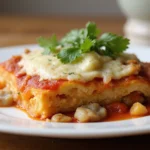
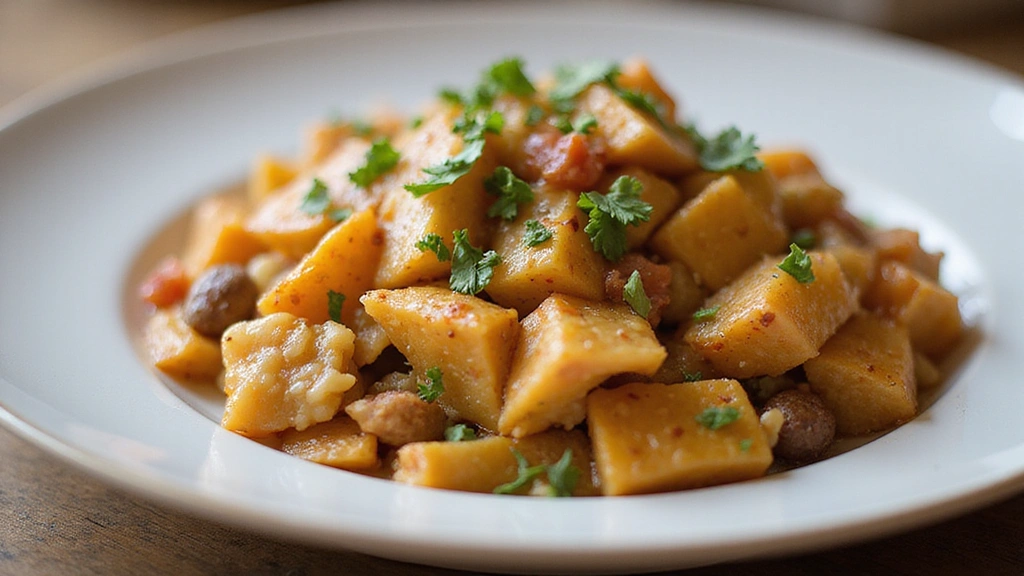
Easy dump casserole recipes are a lifesaver for busy weeknights when time is of the essence.
These one-dish wonders combine convenience with comfort, allowing you to effortlessly create a satisfying meal for your family.
The beauty of these casseroles lies in their simplicity; just gather your ingredients, mix them together, and let the oven do the work.
With endless variations available, there’s a delicious option for everyone, making dinner a breeze!
The History and Cultural Significance
• Dump casserole recipes originated in the United States during the mid-20th century, reflecting the need for quick and economical meals.
• These dishes evolved from traditional casserole recipes, simplifying the process by encouraging cooks to ‘dump’ ingredients into a baking dish.
• In American households, dump casseroles became popular for family gatherings and potlucks, symbolizing community and sharing.
• While many variations exist, the core idea of convenience and comfort food remains a defining characteristic of this cooking style.
Recipe Overview
Nutritional Information (per serving)
Ingredients


Essential Equipment Guide
9×13-inch Baking Dish: This size is ideal for casseroles, ensuring even cooking and easy serving. Look for a durable material that can withstand high oven temperatures.
Mixing Bowl: A large mixing bowl is essential for combining ingredients without making a mess. Choose one that is sturdy and has a non-slip base for stability.
Measuring Cups and Spoons: Accurate measurements are key to achieving the right flavor balance. Opt for a set with both dry and liquid measuring tools for versatility.
Preparation Methods
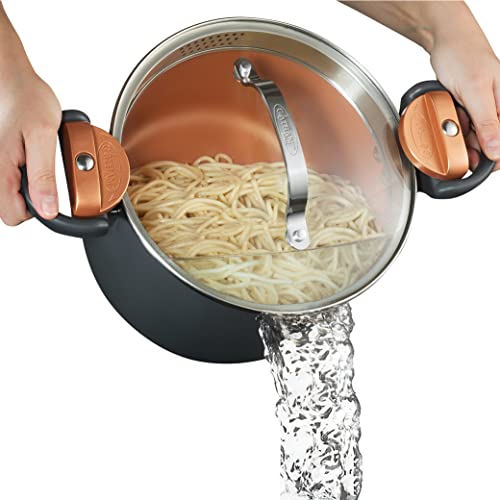
Cooking Pasta: Boil pasta in salted water until al dente. This ensures the pasta holds its shape and texture when baked in the casserole. Drain and rinse with cold water to stop the cooking process.
Shredding Chicken: Use two forks to shred the cooked chicken into bite-sized pieces. This method ensures the chicken mixes well with other ingredients and absorbs flavors.
Layering Ingredients: When assembling the casserole, layer the ingredients to distribute flavors evenly. Start with the pasta, then add the chicken, vegetables, and sauce, topped with cheese.
Step 1: Prepare Ingredients

Begin by gathering all your ingredients on the countertop.
This includes cooked pasta, cooked chicken, frozen vegetables, and the soup.
Having everything ready will streamline the cooking process.
Make sure to measure out your ingredients for accuracy.
Step 2: Cook Pasta
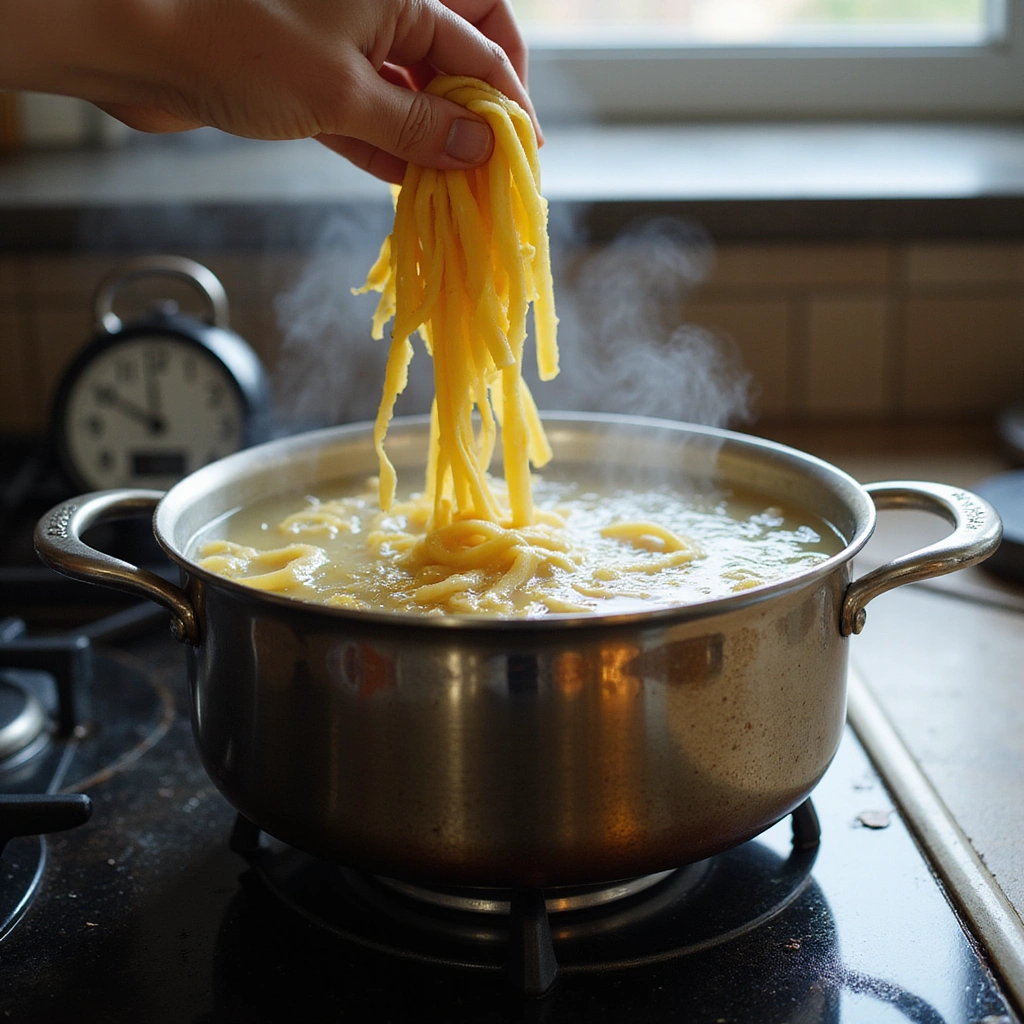
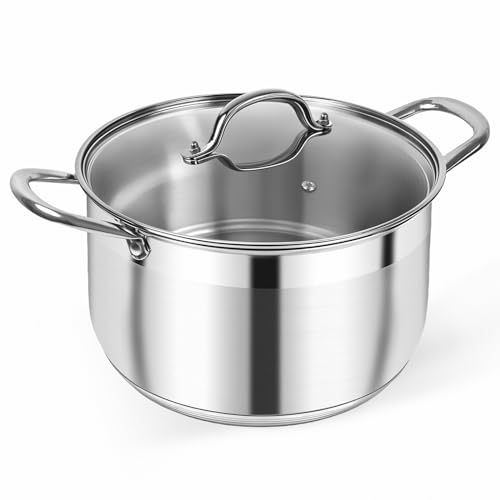
In a large pot, bring salted water to a boil.
Add the pasta and cook for about 8-10 minutes until al dente.
Check the pasta frequently to avoid overcooking.
Once done, drain and rinse under cold water to stop the cooking process.

Step 3: Shred Chicken
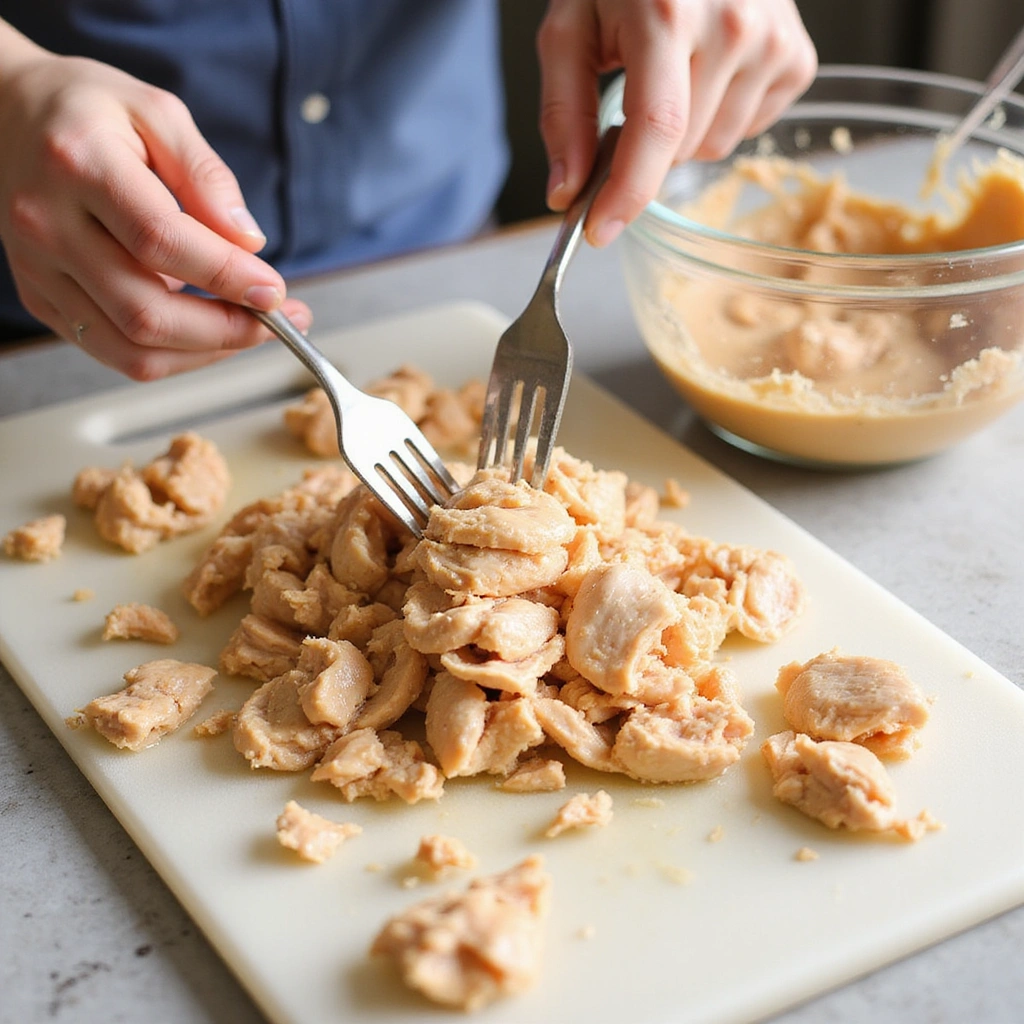
Place the cooked chicken on a cutting board.
Using two forks, shred the chicken into bite-sized pieces.
Ensure the pieces are uniform for even distribution in the casserole.
Set the shredded chicken aside in a mixing bowl.


Step 4: Mix Ingredients

In a large mixing bowl, combine the cooked pasta, shredded chicken, frozen vegetables, and cream of mushroom soup.
Stir until all ingredients are evenly coated with the soup.
This will help bind the flavors together as it bakes.
Be careful not to overmix, as you want to retain the texture of the pasta.
Step 5: Layer in Baking Dish
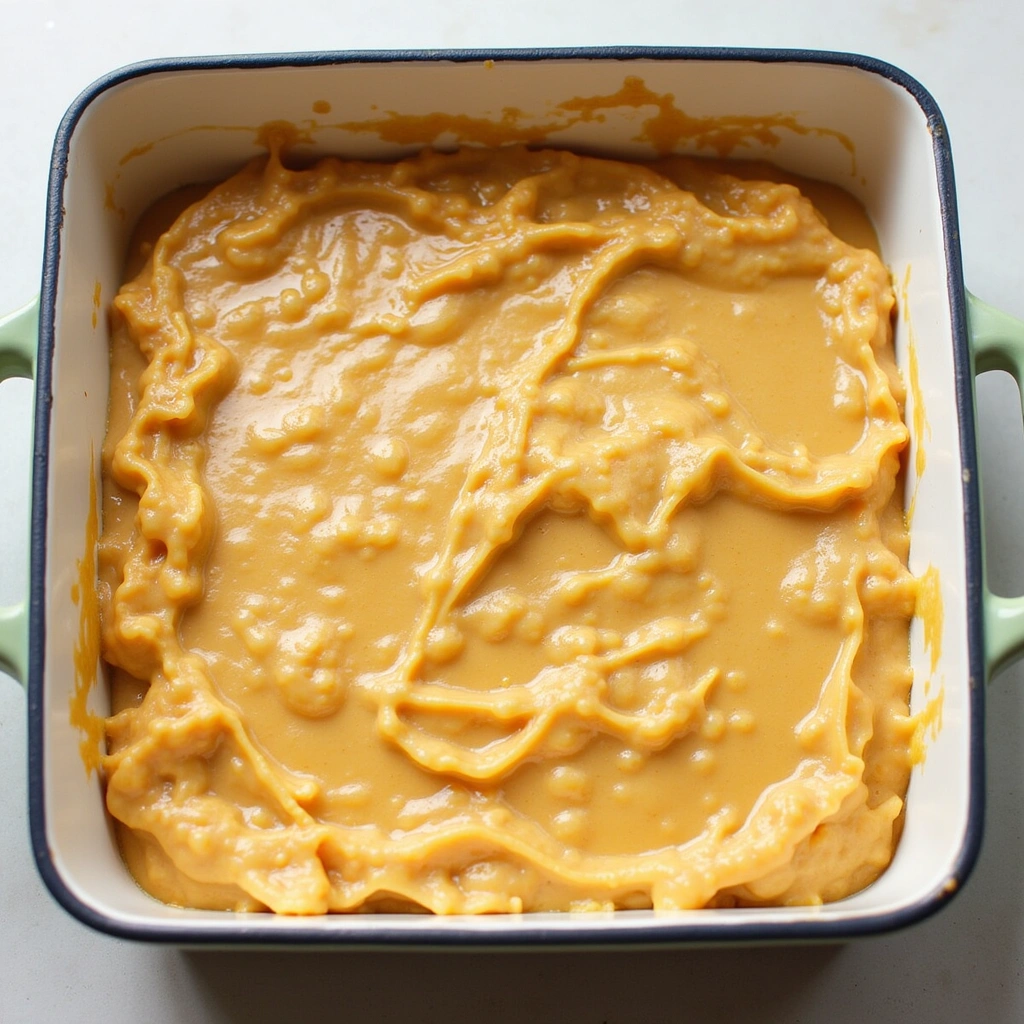
Preheat your oven to 350°F (175°C).
Transfer the mixture into a greased 9×13-inch baking dish.
Spread it out evenly, ensuring no dry bits remain.
This will help it cook uniformly and develop a nice crust on top.
Step 6: Add Cheese Topping
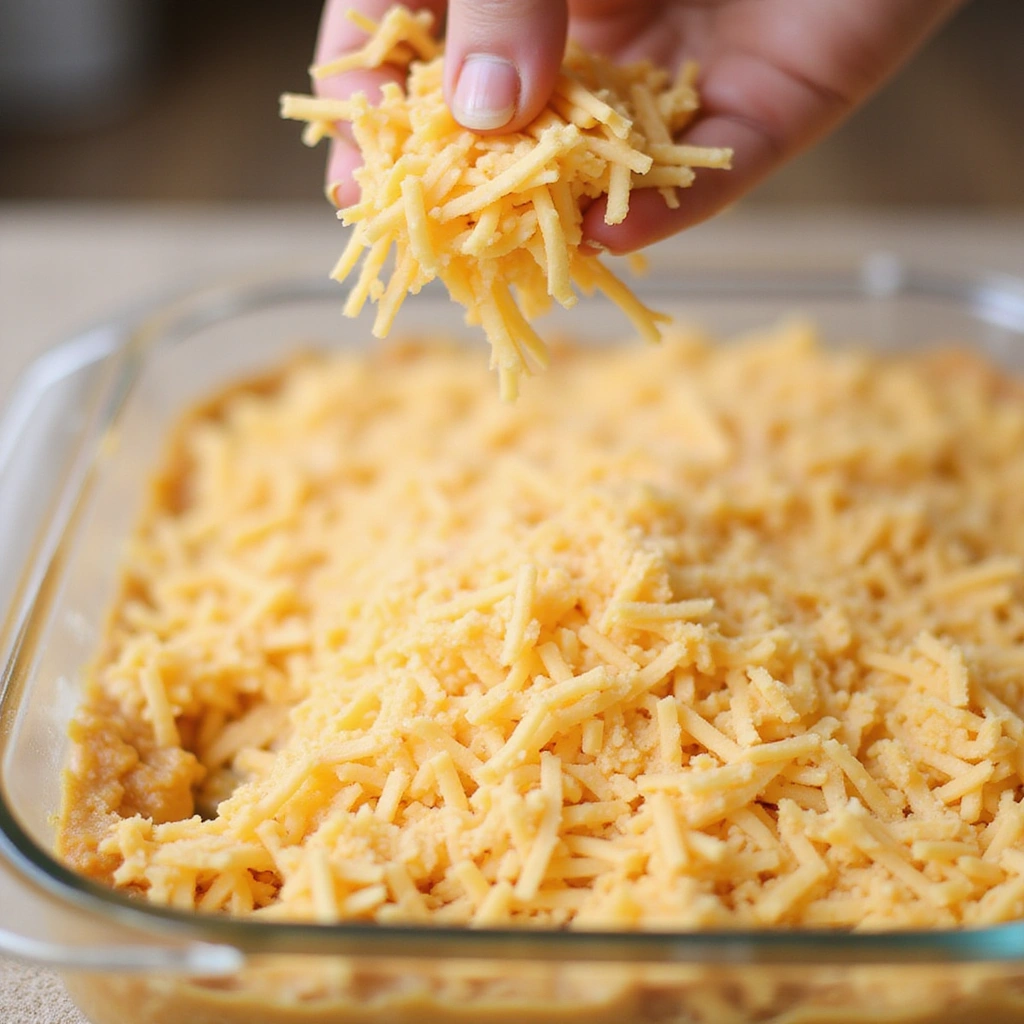
Sprinkle the shredded cheese evenly over the top of the casserole.
This will create a delicious, melty layer as it bakes.
Feel free to add more cheese if you love it extra cheesy!
Make sure the cheese covers the entire surface for even browning.
Step 7: Bake the Casserole
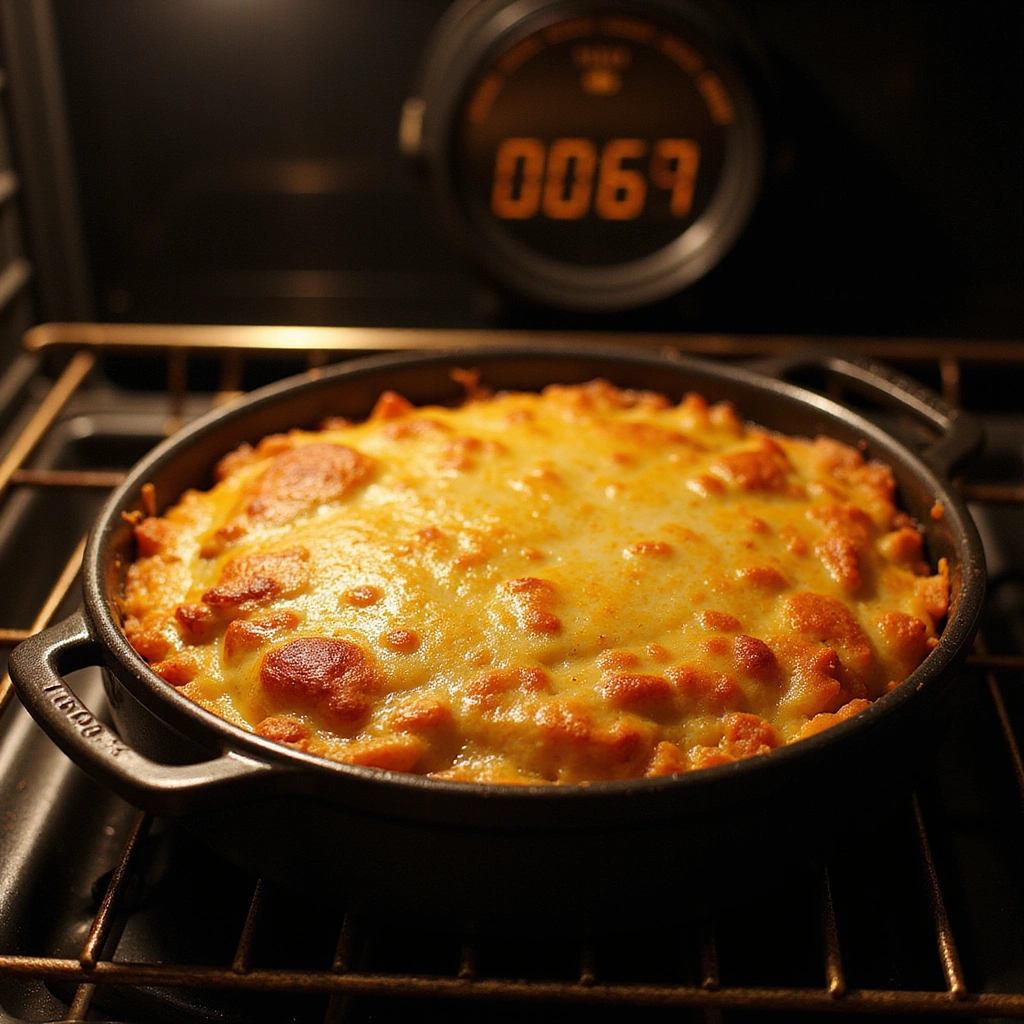
Place the baking dish in the preheated oven.
Bake for 30-35 minutes until the cheese is bubbly and golden brown.
Check for doneness by ensuring the casserole is heated throughout.
The edges should be slightly crispy while the center remains moist.
Step 8: Serve and Enjoy
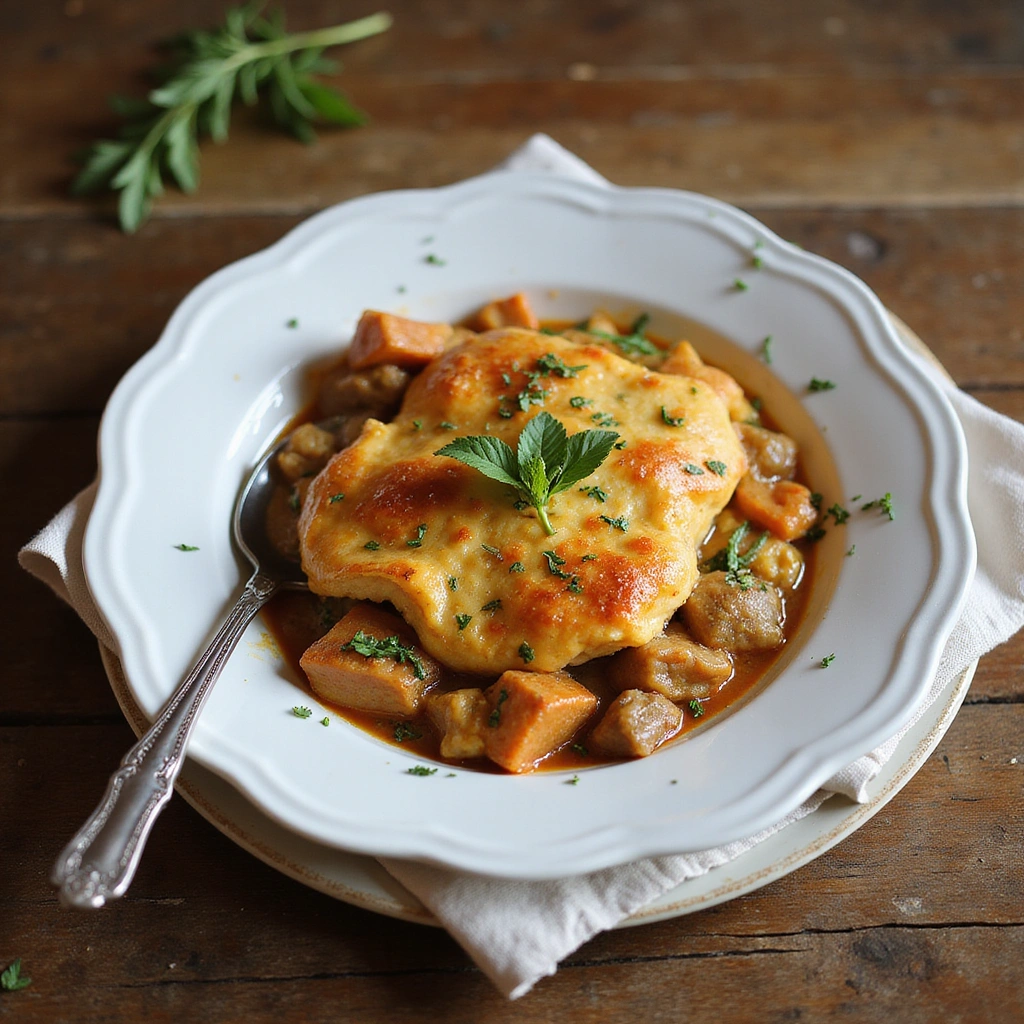
Once baked, remove the casserole from the oven and let it cool for a few minutes.
This allows the layers to set for easier serving.
Scoop the casserole into bowls and serve hot.
Garnish with fresh herbs if desired for an extra touch.
Critical Timing and Temperature Guide
Baking Time: Bake the casserole at 350°F (175°C) for 30-35 minutes. Look for bubbling cheese and a golden brown top as indicators of doneness. Avoid opening the oven frequently to maintain temperature.
Cooling Time: Let the casserole rest for 5-10 minutes before serving. This helps the layers set and makes serving easier. If served too hot, it may fall apart.
Ingredient Temperature: Ensure all ingredients are at room temperature before mixing. Cold ingredients can cause uneven cooking and affect texture.
Pro Tips for Dump Casserole Recipes For Dinner No Hassle
• Ingredient Selection: Use high-quality cheese for the best melting properties and flavor.
• Preparation Secret: Mixing in a little sour cream with the soup adds a nice tang.
• Temperature Management: Bringing ingredients to room temperature helps them combine better and cook evenly.
• Texture Enhancement: Topping with breadcrumbs before cheese can add a nice crunch.
• Flavor Layering: Sauté onions and garlic before adding to the mix to deepen flavor.
• Make-Ahead Strategies: Assemble the casserole the night before and refrigerate, then bake it fresh the next day.
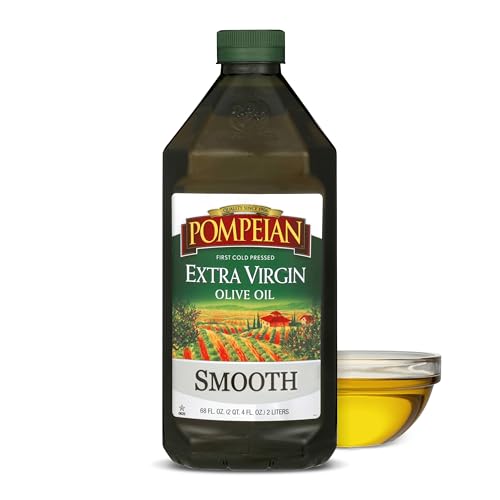
• Restaurant-Quality Finishing Touches: Drizzle with a bit of olive oil before baking for added richness.
• Equipment Optimization: Use a non-stick baking dish to prevent sticking and ensure easy cleanup.


Troubleshooting Common Issues
• Texture Too Dense: This can happen if the pasta is overcooked. To prevent this, ensure you cook to al dente and avoid overmixing when combining ingredients.
• Flavors Unbalanced: If the dish lacks flavor, consider adding more spices or a splash of hot sauce to elevate the taste.
• Cheese Not Melting: If cheese doesn’t melt well, it may be due to low-quality cheese. Always choose a good melting cheese like mozzarella or cheddar.
• Dry Casserole: If your casserole comes out dry, ensure you use enough liquid ingredients like soup or broth to keep it moist.
• Burnt Edges: If the edges are burning before the center is cooked, cover the dish with foil halfway through baking to protect the top from direct heat.
Variations and Regional Differences
• Tex-Mex Variation: Incorporate black beans, corn, and taco seasoning for a flavorful twist. Top with jalapeños and cilantro for added heat and freshness.
• Italian Variation: Use Italian sausage, marinara sauce, and Italian herbs for a comforting Italian-style casserole. Top with parmesan cheese for an extra flavor boost.
• Vegetarian Variation: Replace chicken with chickpeas and add a variety of vegetables like zucchini and bell peppers. This makes a hearty option without meat.
• Modern Interpretations: Consider using quinoa instead of pasta for a healthier grain option, adding a nutty flavor and more protein.


Food Science Behind the Recipe
• Emulsification: The cream of mushroom soup helps bind ingredients together, creating a smooth texture. This is crucial for a cohesive casserole that holds its shape.
• Maillard Reaction: As the casserole bakes, the cheese and edges undergo the Maillard reaction, creating rich flavors and appealing browning.
• Starch Absorption: Pasta absorbs some of the moisture during baking, which helps prevent the casserole from becoming too watery while contributing to its overall texture.
Frequently Asked Questions
What’s the most common mistake people make when preparing dump casseroles? Not cooking the pasta to al dente is a common mistake, as it can lead to a mushy final product. Always undercook slightly before baking.
Can I prepare components of this dish in advance? Yes, you can cook the pasta and shred the chicken ahead of time. Store them in airtight containers in the refrigerator for up to 2 days.
How do I adapt this recipe for dietary restrictions? For gluten-free diets, substitute pasta with gluten-free varieties and ensure the soup is gluten-free.
What’s the best way to store and reheat leftovers? Store leftovers in an airtight container in the fridge for up to 3 days. Reheat in the oven at 350°F until warm throughout.
Can I freeze this dish? Yes, you can freeze the assembled casserole before baking. Thaw in the refrigerator overnight and bake as directed.
What wine or beverages pair best with this dish? A light-bodied red wine like Pinot Noir complements the flavors well, while a crisp white like Sauvignon Blanc can also work.
How can I scale this recipe up for a crowd? Simply multiply the ingredients by the desired number of servings, but consider using a larger baking dish to accommodate the increase in volume.
What side dishes complement this recipe best? A fresh green salad or garlic bread pairs perfectly with dump casseroles, balancing the richness of the dish.
How do professional chefs elevate this dish for restaurant service? Chefs often add fresh herbs or a drizzle of high-quality olive oil just before serving to enhance both flavor and presentation.
Serving and Presentation Guide
• Traditional Presentation: Serve the casserole directly from the baking dish with a large spoon. Garnish with chopped parsley for a pop of color.
• Modern Plating Ideas: Plate individual servings on white plates, adding a side salad for color and freshness. A drizzle of balsamic reduction can elevate the presentation.
• Accompaniment Suggestions: Offer crusty bread or a light vegetable side to complement the richness of the casserole.
• Special Occasion Presentation: For gatherings, consider using a decorative baking dish and serving with themed garnishes based on the occasion.
Conclusion
I hope you find joy in preparing this easy dump casserole recipe.
It’s a fantastic way to bring the family together without spending hours in the kitchen.
Give it a try, and I’m sure it will become a staple in your weekly meal rotation!