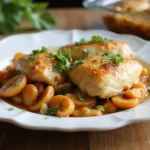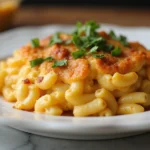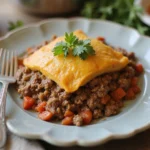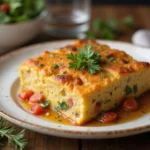
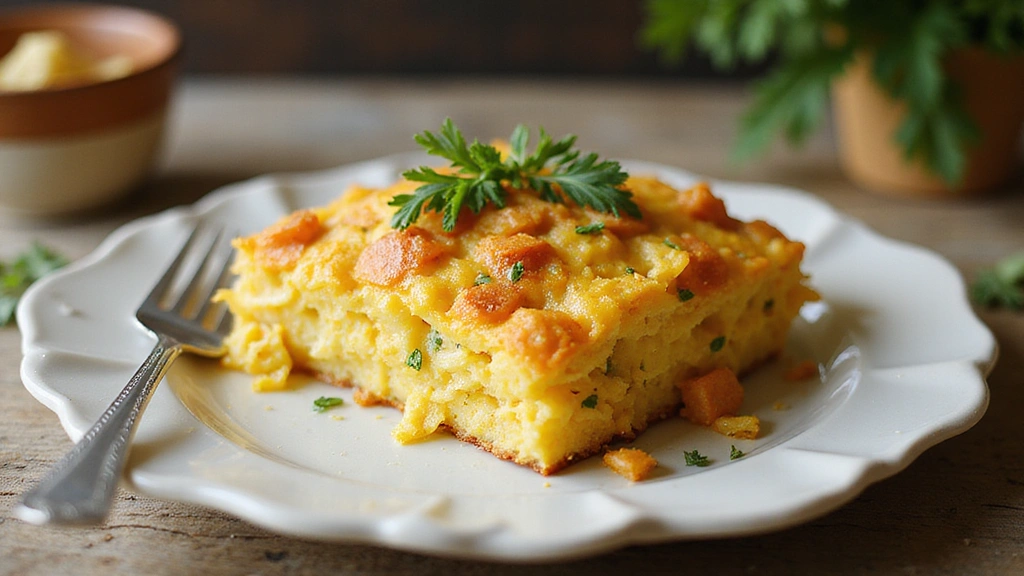
Egg and Hashbrown Casserole is a beloved breakfast dish that brings comfort and satisfaction to the morning table.
This hearty casserole combines creamy eggs, crispy hashbrowns, and a medley of savory ingredients, creating a flavor profile that is both rich and delightful.
I first tasted this dish at a family gathering, where it quickly became a staple due to its ease of preparation and crowd-pleasing appeal.
Whether it’s a holiday brunch or a simple weekend breakfast, this casserole is sure to impress and provide a warm start to the day.
The History and Cultural Significance
• Egg and Hashbrown Casserole recipes trace their origins to American breakfast traditions, particularly popularized in the mid-20th century.
• The dish evolved over decades as families began to incorporate convenience foods like frozen hashbrowns, eventually becoming the beloved version we know today.
• In many American households, this dish traditionally appears at brunch gatherings and special occasions, symbolizing comfort and togetherness.
• While many variations exist across different regions, the authentic version maintains a hearty base of eggs and potatoes that sets it apart from lighter breakfast options.
Recipe Overview
Nutritional Information (per serving)
Ingredients


Essential Equipment Guide
9×13 Inch Baking Dish: This size is ideal for ensuring even cooking and proper layering of ingredients. Look for one with a non-stick surface to make serving easier.
Mixing Bowl: A large mixing bowl is essential for combining the eggs and other ingredients thoroughly. Choose a sturdy bowl that won’t slip while mixing.
Whisk: A good whisk helps achieve a fluffy egg mixture, which is key to a light and airy casserole. Opt for a whisk that is comfortable to hold and easy to clean.
Preparation Methods
Layering: Proper layering ensures that every bite is flavorful. Start with the hashbrowns at the bottom, followed by the egg mixture, and finish with cheese on top for a perfect melt.
Whipping Eggs: Whipping the eggs until frothy incorporates air, resulting in a lighter texture. Use a whisk or electric mixer for best results.
Thawing Hashbrowns: Ensure the hashbrowns are fully thawed to prevent excess moisture in the casserole. Spread them out on a paper towel to absorb any extra water before adding.
Step 1: Prepare the Oven
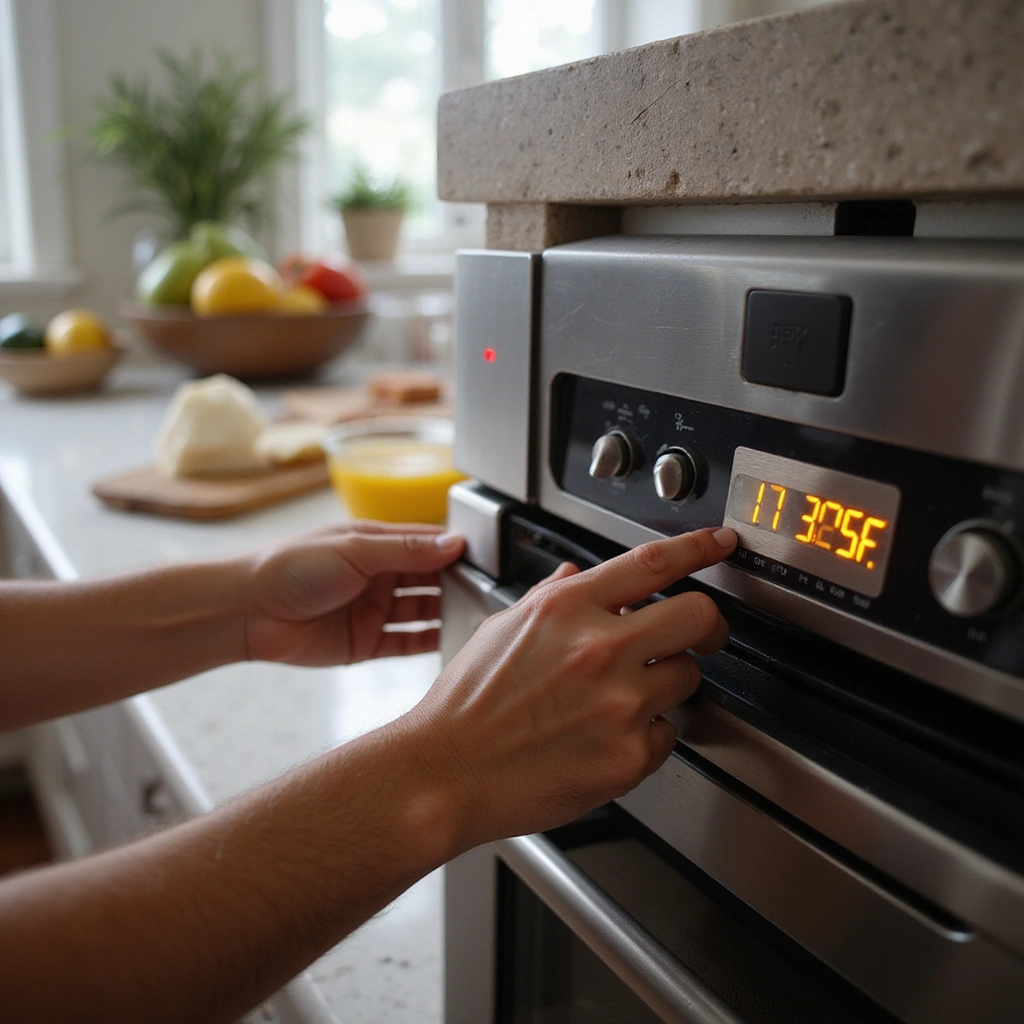
Preheat your oven to 375°F (190°C).
This temperature is ideal for baking the casserole evenly.
Make sure the oven rack is positioned in the middle for consistent heat distribution.
Using an oven thermometer can help ensure accuracy if your oven tends to vary in temperature.



Step 2: Thaw the Hashbrowns

Place the frozen hashbrowns in a colander or on a paper towel.
Allow them to thaw for about 30 minutes, or use the microwave on defrost for quicker results.
This step is crucial to avoid excess moisture in the casserole.
Once thawed, gently squeeze any remaining moisture out before using.
Step 3: Mix the Eggs

In a large mixing bowl, combine the beaten eggs and milk.
Whisk them together until fully blended and frothy, which helps incorporate air.
Make sure to scrape the sides of the bowl to ensure all ingredients are well mixed.
This mixture will be the base of your casserole, so consistency is key.
Step 4: Add Vegetables and Seasonings
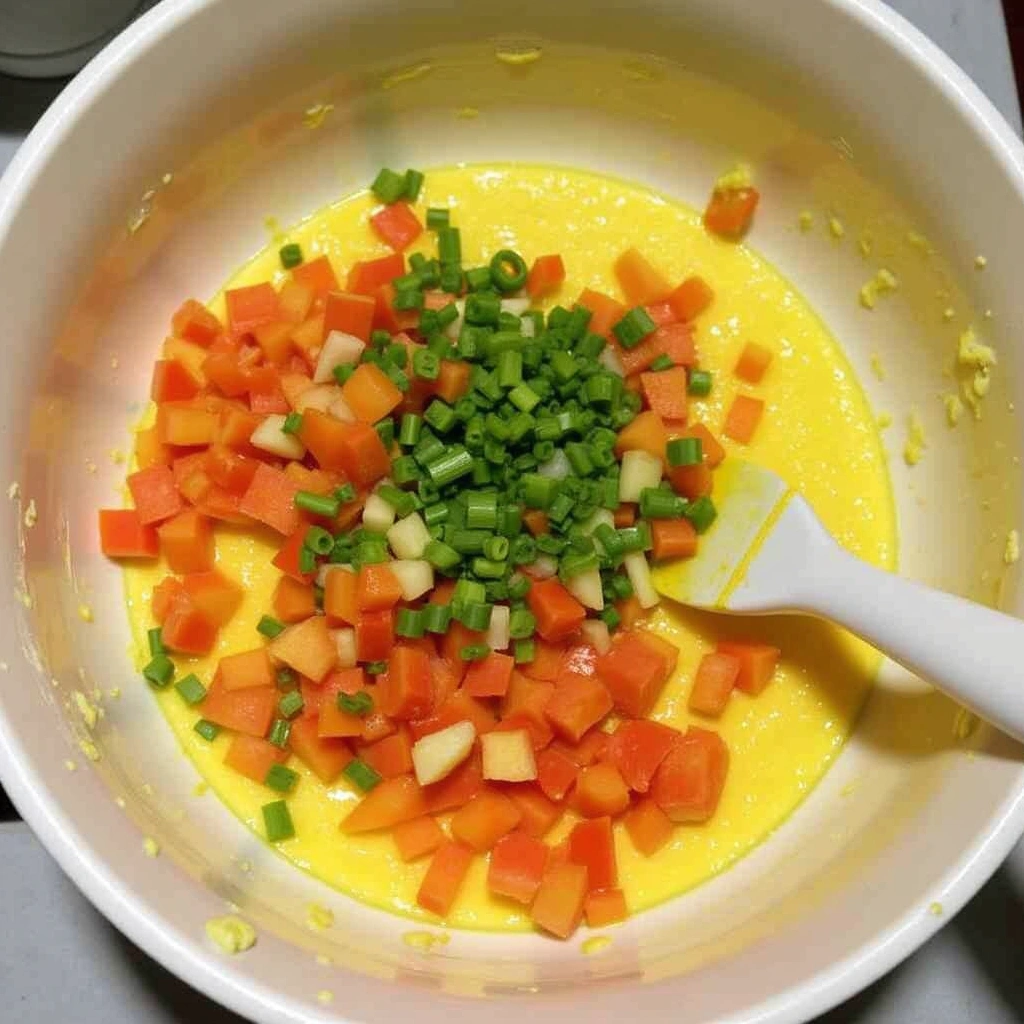
Add the diced bell peppers and onions to the egg mixture.
Sprinkle in the salt and pepper to season.
Gently fold the vegetables into the egg mixture using a spatula for even distribution.
This adds flavor and texture, making your casserole more delicious.


Step 5: Combine Hashbrowns and Egg Mixture

In a separate bowl, combine the thawed hashbrowns with a portion of the shredded cheese.
Stir until the cheese is evenly distributed throughout the hashbrowns.
Then, gently fold the hashbrowns into the egg and vegetable mixture.
This ensures that the cheese melts beautifully during baking.
Step 6: Prepare the Baking Dish

Grease your 9×13 inch baking dish with butter or cooking spray.
This prevents the casserole from sticking and makes for easier serving.
Ensure the entire bottom and sides are coated evenly.
You can also use parchment paper for an easy cleanup option.


Step 7: Pour the Mixture into the Dish
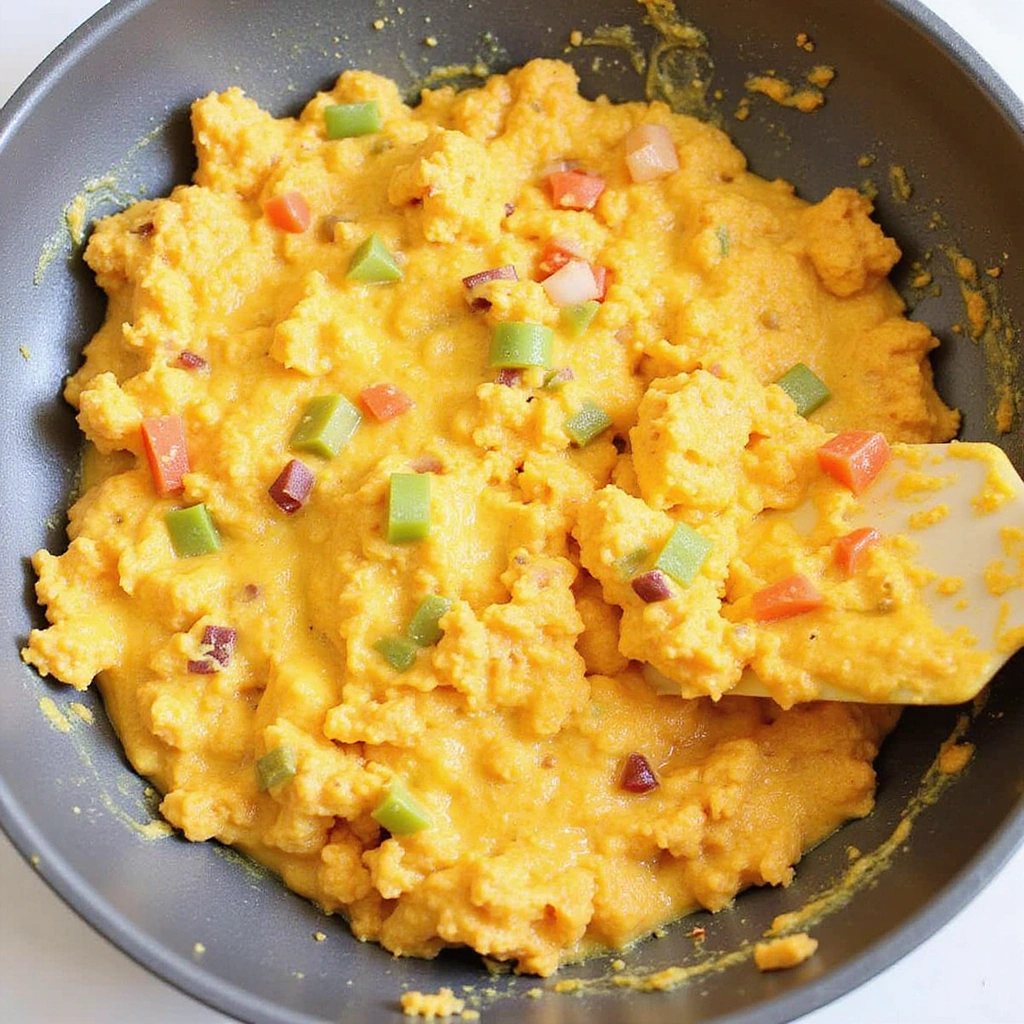
Carefully pour the combined hashbrown and egg mixture into the greased baking dish.
Spread it evenly with a spatula to ensure uniform cooking.
Make sure the mixture is distributed evenly across the dish.
This helps every section of the casserole cook at the same rate.
Step 8: Add Cheese Topping
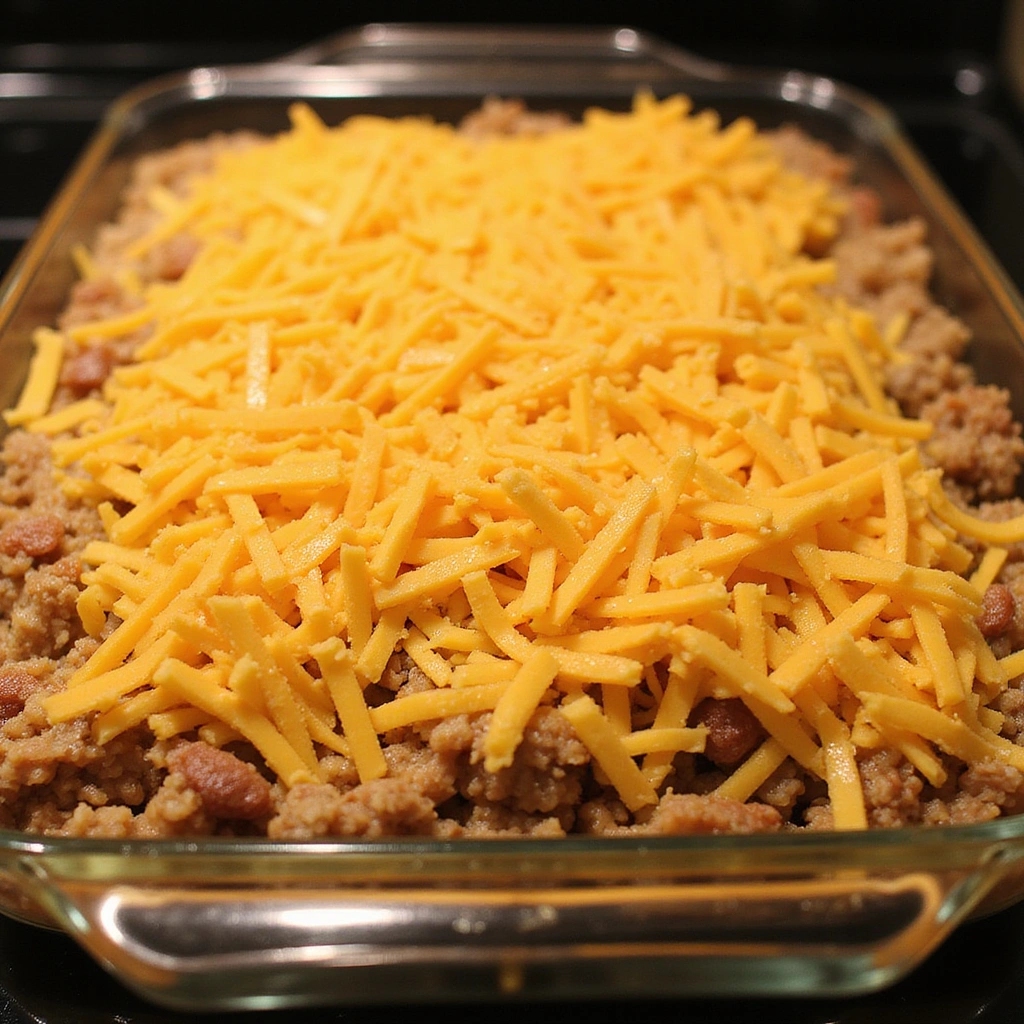
Sprinkle the remaining shredded cheese evenly over the top of the casserole.
This will create a deliciously gooey layer once baked.
Feel free to add more cheese if desired for an extra cheesy finish.
This step is crucial for that comforting, melted cheese experience.
Step 9: Bake the Casserole
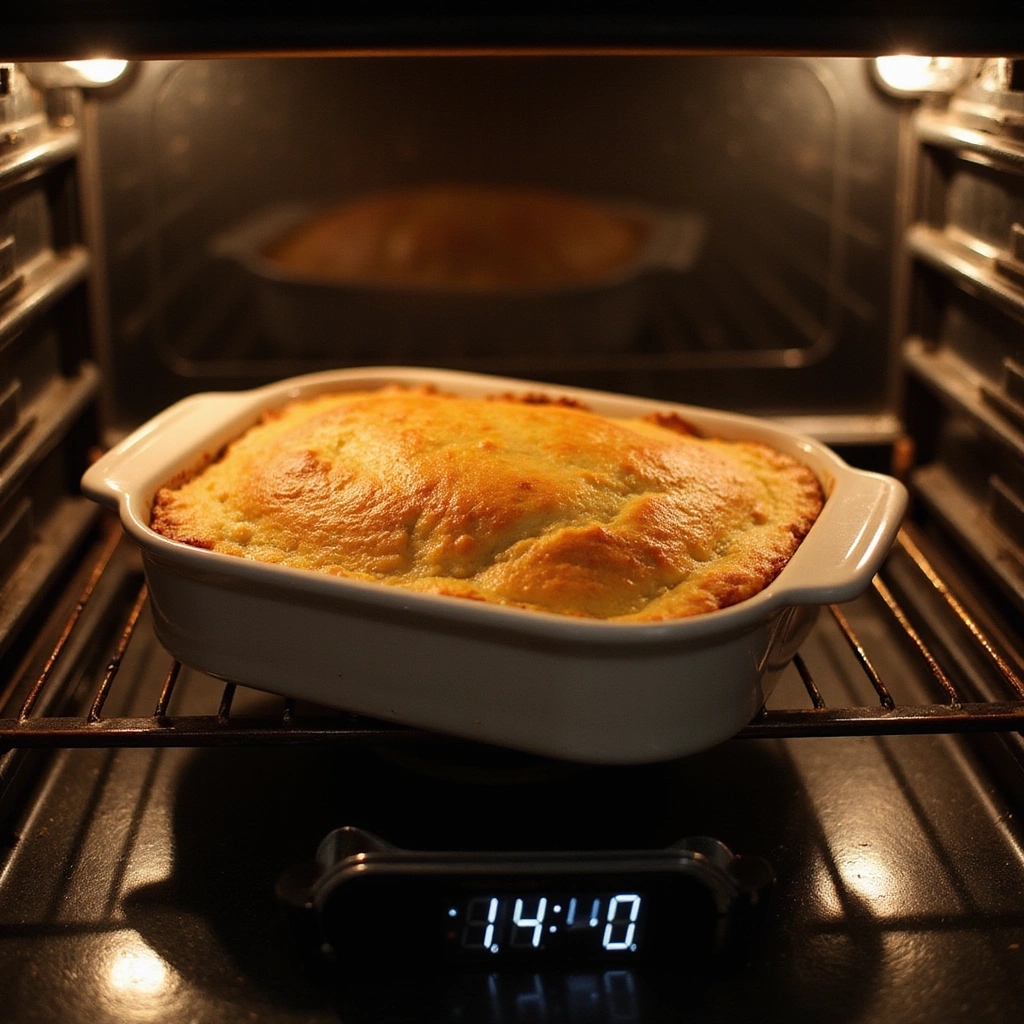
Place the baking dish in the preheated oven and bake for 45 minutes.
Check for a golden-brown top and a firm texture in the center.
If the top is browning too quickly, cover it loosely with aluminum foil.
This prevents burning while allowing the inside to cook through.
Step 10: Cool and Serve

Once baked, remove the casserole from the oven and let it cool for 10 minutes.
This resting period allows the flavors to meld and makes it easier to slice.
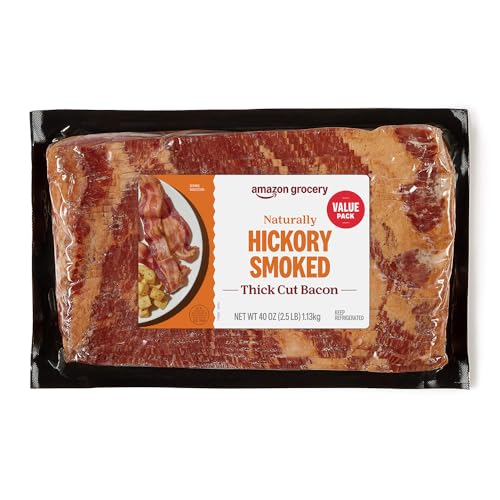
Garnish with chopped green onions or crumbled bacon if desired.
Serve warm and enjoy this hearty breakfast dish with your favorite sides.
Critical Timing and Temperature Guide
Baking Time: Bake the casserole for 45 minutes at 375°F (190°C) until the top is golden brown and the center is set. Avoid opening the oven door frequently, as this can cause fluctuations in temperature.
Cooling Time: Allow the casserole to cool for at least 10 minutes before slicing. This helps it set and makes serving easier, preventing it from falling apart.
Serving Temperature: Serve the casserole warm for the best texture and flavor. If it cools too much, it can become dense and less appealing.
Pro Tips for Egg And Hashbrown Casserole Recipes Perfect For Breakfast
• Ingredient Selection: Use high-quality eggs and fresh vegetables to enhance the overall flavor of the casserole.
• Preparation Secret: Allow the hashbrowns to thaw completely and squeeze out excess moisture to prevent a soggy casserole.
• Temperature Management: Ensure your ingredients are at room temperature before mixing, as this helps with even cooking.
• Texture Enhancement: For a crispier top, broil the casserole for the last 3-5 minutes of baking.
• Flavor Layering: Consider adding herbs or spices to the egg mixture for an extra flavor boost.
• Make-Ahead Strategies: Prepare the casserole the night before and refrigerate it, then bake it in the morning.
• Restaurant-Quality Finishing Touches: Serve with a side of homemade salsa or avocado for added freshness.
• Equipment Optimization: Use a non-stick baking dish for easier cleanup and even cooking.
Troubleshooting Common Issues
• Texture Too Dense: This can occur if the eggs are overmixed or if too many ingredients are added. Ensure to gently fold in the ingredients and avoid overmixing.
• Soggy Casserole: Excess moisture from the hashbrowns can lead to sogginess. Always thaw and squeeze out moisture before using.
• Uneven Cooking: Make sure to mix the ingredients thoroughly and spread them evenly in the baking dish for uniform cooking.
• Cheese Not Melting: If using low-fat cheese, it may not melt well. Opt for full-fat cheese for the best results.
• Top Burning: If the top is browning too quickly, cover it with foil during baking to prevent burning while allowing the inside to cook through.
Variations and Regional Differences
• Southwestern Variation: Incorporate black beans, corn, and jalapeños for a spicy twist, reflecting Southwestern flavors.
• Vegetarian Style: Substitute the bacon with sautéed mushrooms or spinach, making it a meat-free option without sacrificing flavor.
• Italian Influence: Add Italian sausage and mozzarella cheese for a different flavor profile that brings in Italian herbs.
• Modern Interpretations: Swap out traditional hashbrowns for sweet potatoes or zucchini for a healthier take on this classic dish.


Food Science Behind the Recipe
• Maillard Reaction: This browning reaction occurs when proteins and sugars in the casserole react under heat, creating complex flavors and appealing color.
• Emulsification: The combination of eggs and milk creates an emulsion that helps bind the ingredients together for a cohesive texture.
• Gelatinization: The starches in the hashbrowns gelatinize during cooking, giving the casserole its structure and helping it hold together.
Frequently Asked Questions
What’s the most common mistake people make when preparing Egg and Hashbrown Casserole? The most common mistake is not thawing the hashbrowns properly, leading to a soggy casserole. Always ensure they are fully thawed and moisture is removed before mixing.
Can I prepare components of this dish in advance? Yes, you can prepare the mixture a day ahead and refrigerate it overnight. Just bake it fresh in the morning.
How do I adapt this recipe for dietary restrictions? For gluten-free, use certified gluten-free hashbrowns. For dairy-free, substitute milk with almond or soy milk and use dairy-free cheese.
What’s the best way to store and reheat leftovers? Store leftovers in an airtight container in the refrigerator for up to 3 days. Reheat in the microwave or oven until warmed through.
Can I freeze this dish? Yes, you can freeze the uncooked casserole. Thaw overnight in the fridge before baking. It can also be frozen after baking, just ensure it’s well-wrapped.
What wine or beverages pair best with this dish? A light-bodied white wine like Sauvignon Blanc complements the richness of the eggs and cheese.
How can I scale this recipe up for a crowd? To scale up, simply multiply the ingredients by the number of servings desired. Use larger baking dishes and adjust cooking time as needed.
What side dishes complement this recipe best? Fresh fruit salad or a light green salad pairs beautifully, adding freshness to the meal.
How do professional chefs elevate this dish for restaurant service? Professional chefs often add unique garnishes like microgreens or edible flowers and serve with a drizzle of flavored oil for added sophistication.
Serving and Presentation Guide
• Traditional Presentation: Serve the casserole directly from the baking dish, garnished with fresh herbs and sliced green onions for color.
• Modern Plating Ideas: Plate individual servings on white dinnerware with a side of fresh fruit or a light salad for an elegant touch.
• Accompaniment Suggestions: Pair with a tangy fruit salsa or a simple avocado salad to enhance the flavors.
• Special Occasion Presentation: For holidays, serve with a festive garnish of pomegranate seeds or edible flowers for a pop of color.
Conclusion
Egg and Hashbrown Casserole is a delightful dish that brings joy to any breakfast table.
Its versatility and comfort make it a must-try for both casual and special occasions.
I hope you give this recipe a try and enjoy it as much as my family does.