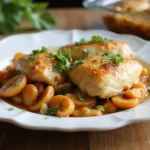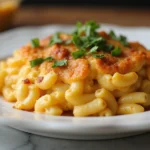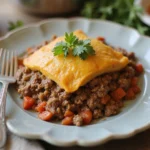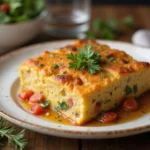
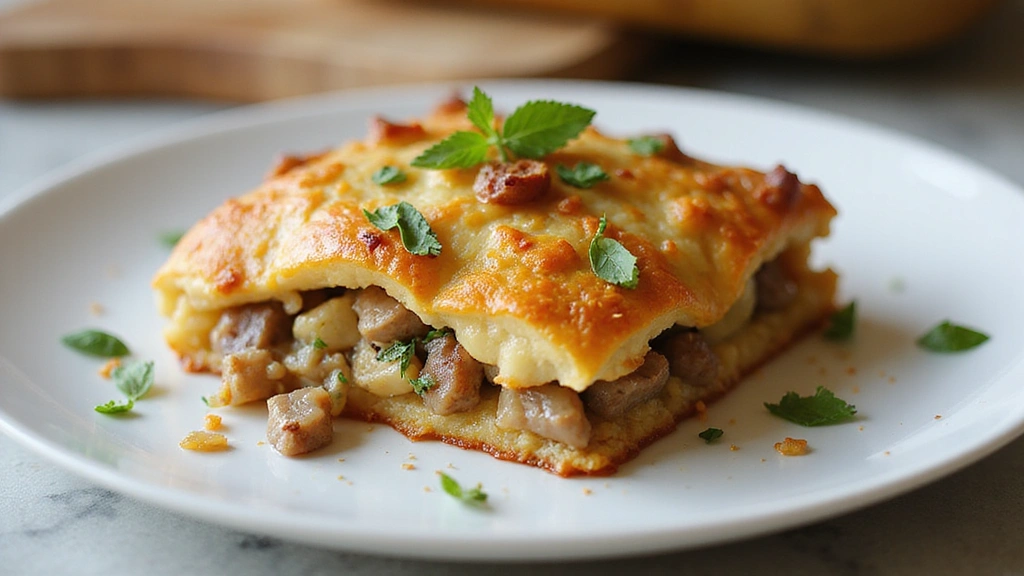
This delightful Gluten Free Dairy Free Casserole brings comfort food to a whole new level without sacrificing flavor or health.
With a mix of hearty vegetables and protein, this dish offers a satisfying meal that is both nutritious and delicious.
I first stumbled upon this recipe while searching for healthy alternatives to classic casseroles during a family gathering, and it quickly became a favorite.
Perfect for any occasion, from weeknight dinners to potlucks, this casserole is sure to impress everyone at the table.
The History and Cultural Significance
• Gluten Free Dairy Free Casserole Recipes trace their origins to the mid-20th century, when cooks began experimenting with alternative ingredients due to dietary restrictions.
• The dish evolved as more people became aware of gluten and dairy sensitivities, leading to creative adaptations that maintained comfort food traditions.
• In contemporary culture, this dish often appears at family gatherings and health-focused potlucks, symbolizing inclusive dining.
• While many variations exist, the authentic version emphasizes whole foods and fresh ingredients, making it a wholesome choice.
Recipe Overview
Nutritional Information (per serving)
Ingredients


Essential Equipment Guide
Casserole Dish: A good quality casserole dish is essential for even cooking and presentation. Look for one that is oven-safe and has a lid for versatility.
Mixing Bowl: A large mixing bowl is important for combining ingredients efficiently. Choose one that is durable and easy to clean, preferably glass or stainless steel.
Spatula: A sturdy spatula helps in mixing and serving the casserole. Opt for a heat-resistant silicone spatula to avoid melting when used in hot dishes.
Preparation Methods
Cooking Quinoa: Rinse the quinoa under cold water to remove bitterness. Cook it according to package instructions, usually in a 2:1 water-to-quinoa ratio. This step is crucial for achieving fluffy quinoa that doesn’t clump together.
Chopping Vegetables: Use a sharp knife to ensure clean cuts, which helps vegetables cook evenly. Aim for uniform sizes to maintain consistent texture throughout the casserole.
Mixing Ingredients: Gently fold the ingredients together in a mixing bowl to combine without smashing the vegetables. This technique helps maintain texture and prevents a mushy casserole.


Step 1: Prepare Ingredients
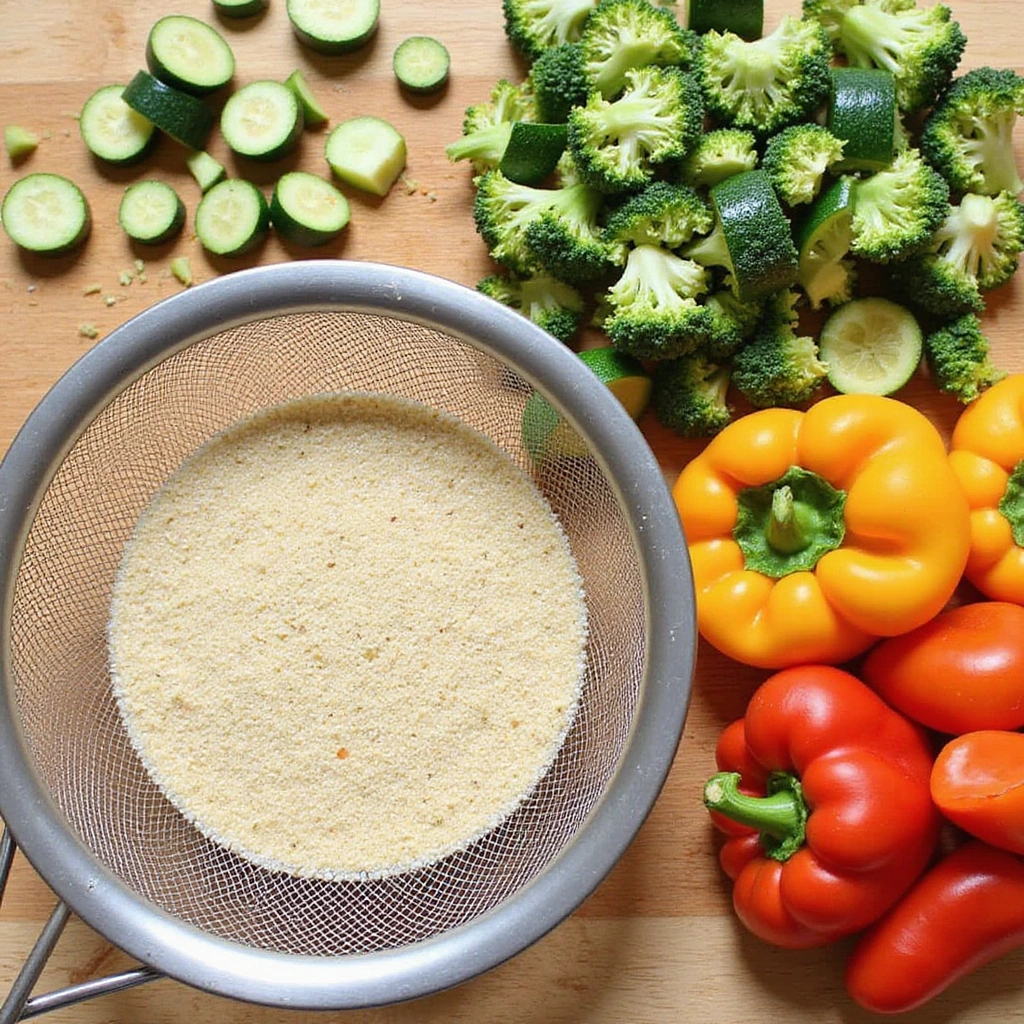
Begin by rinsing the quinoa under cold water until the water runs clear.
This removes any bitterness from the quinoa.
Next, chop all vegetables into uniform pieces for even cooking.
Set aside the prepared ingredients for later use.
Step 2: Cook Quinoa
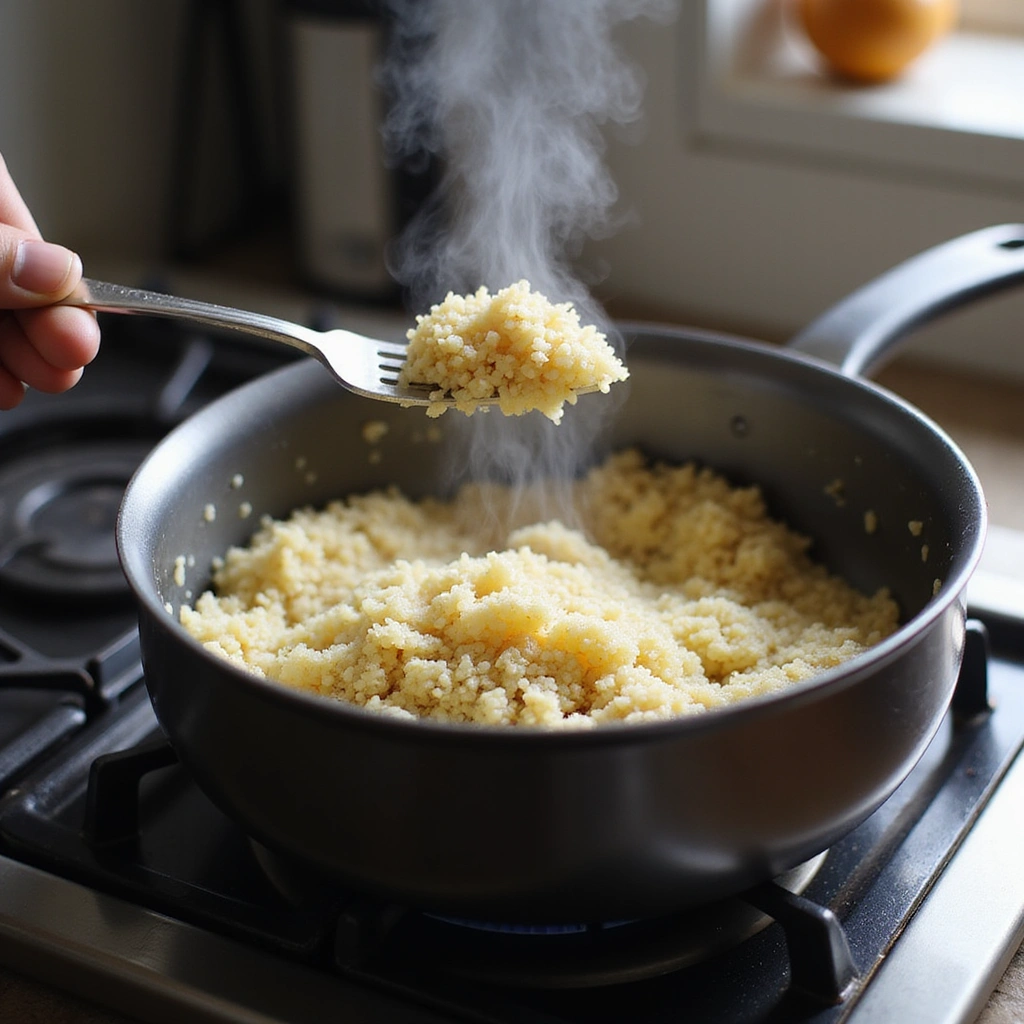
In a saucepan, combine rinsed quinoa and chicken broth.
Bring to a boil, then reduce to a simmer and cover.
Cook for about 15 minutes until the liquid is absorbed and the quinoa is fluffy.
Fluff with a fork and let it cool slightly before mixing it into the casserole.


Step 3: Preheat Oven
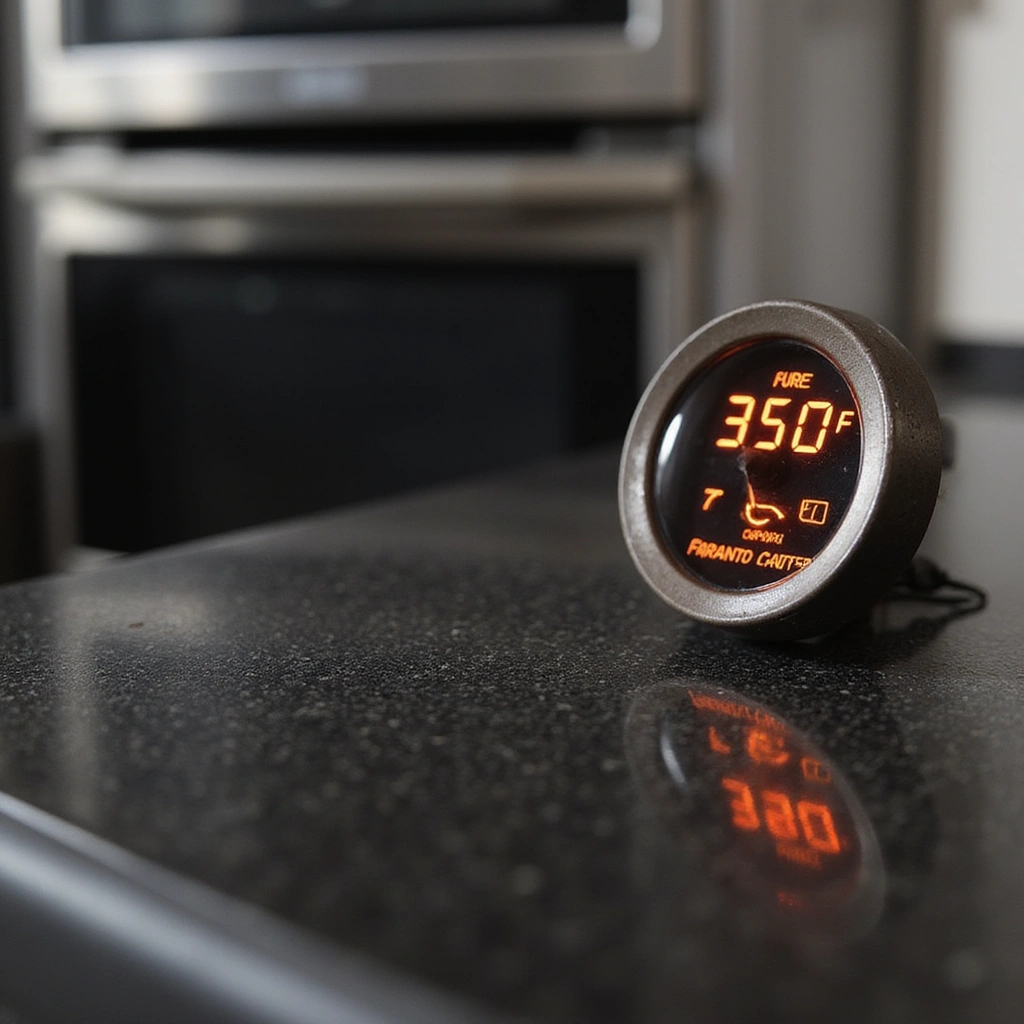
Preheat your oven to 350°F (175°C).
This ensures even cooking of the casserole once assembled.
Make sure the oven is fully heated before placing the casserole inside.
A properly preheated oven helps to achieve a golden-brown top.
Step 4: Combine Ingredients
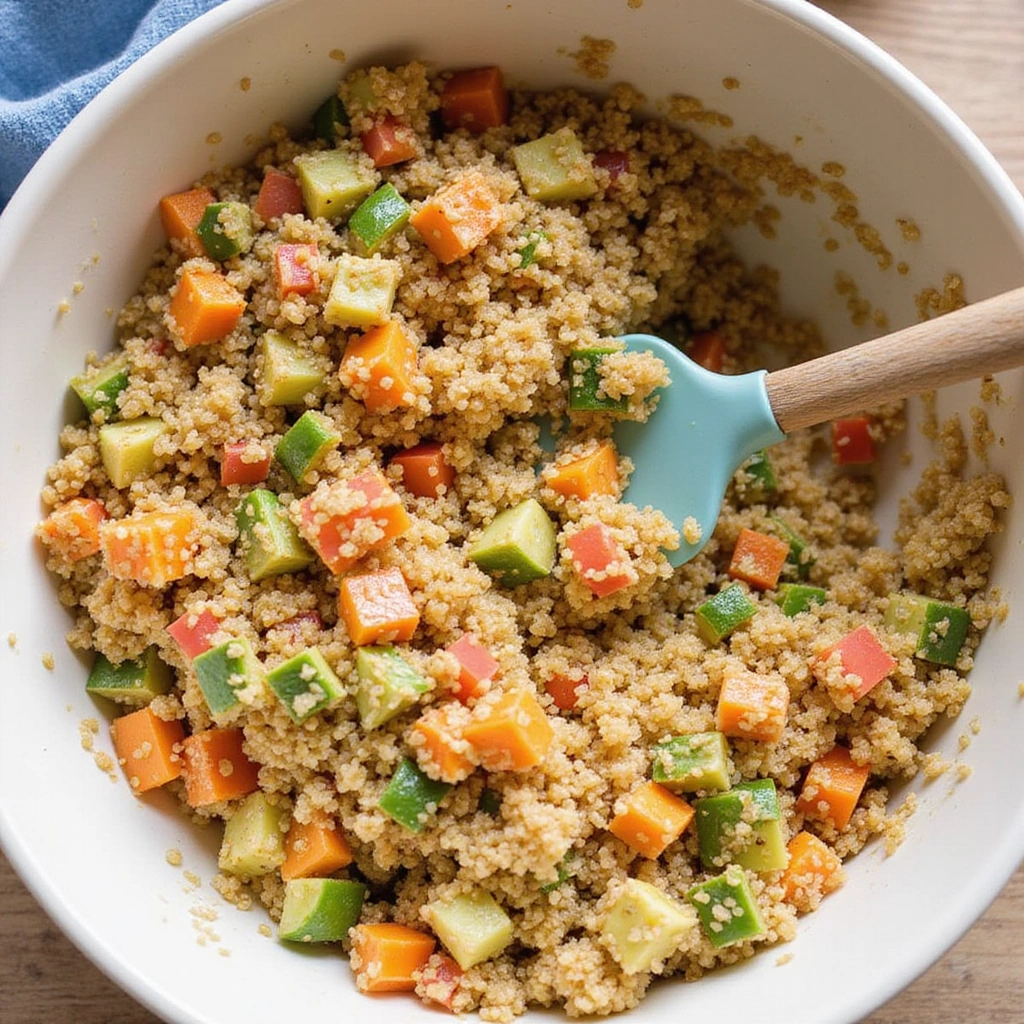
In a large mixing bowl, combine the cooked quinoa with the chopped vegetables.
Add garlic powder, onion powder, and salt, mixing gently to combine.
Ensure all ingredients are evenly distributed for balanced flavors.
Be careful not to over-mix, as this can break down the vegetables.


Step 5: Transfer to Casserole Dish
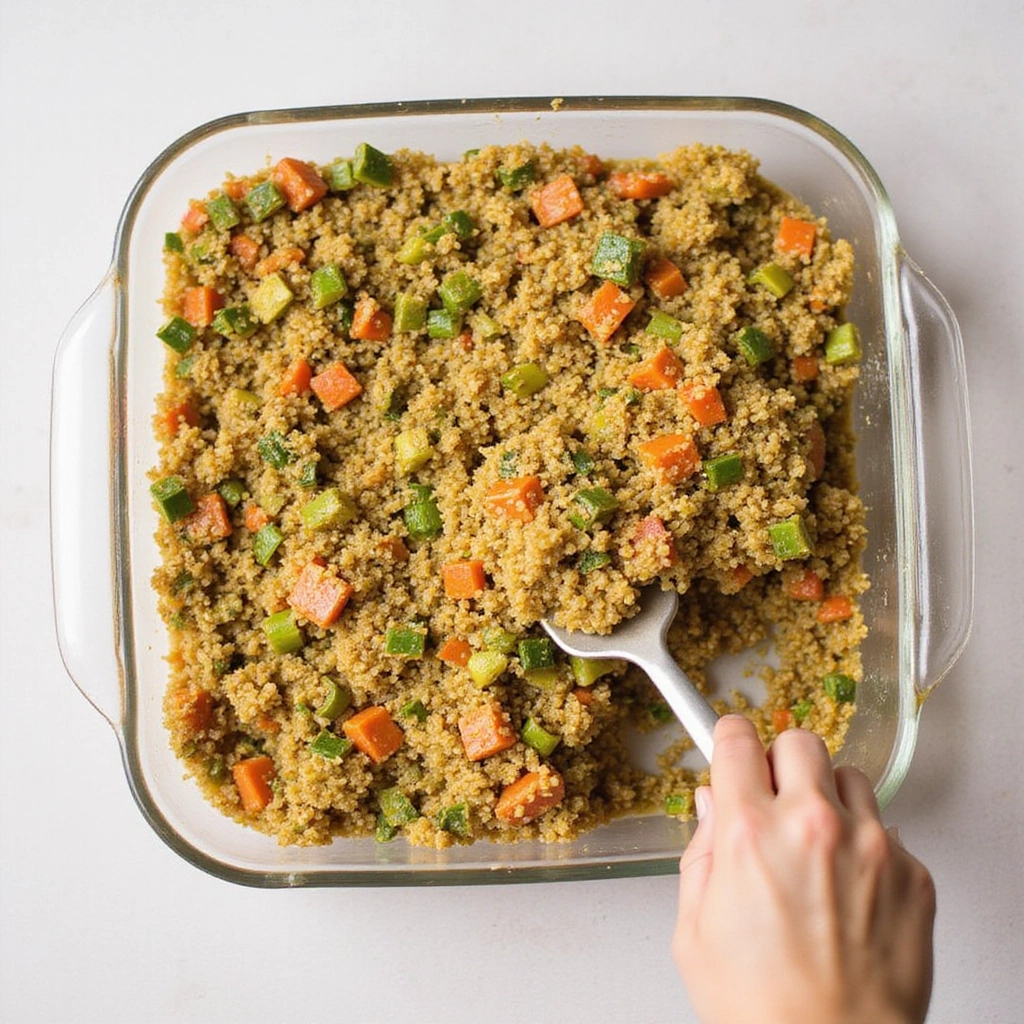
Transfer the quinoa and vegetable mixture into a greased casserole dish.
Spread evenly across the bottom to ensure even cooking.
Use a spatula to press down slightly, which helps the casserole hold together.
Make sure the mixture is level for consistent baking.
Step 6: Prepare Topping
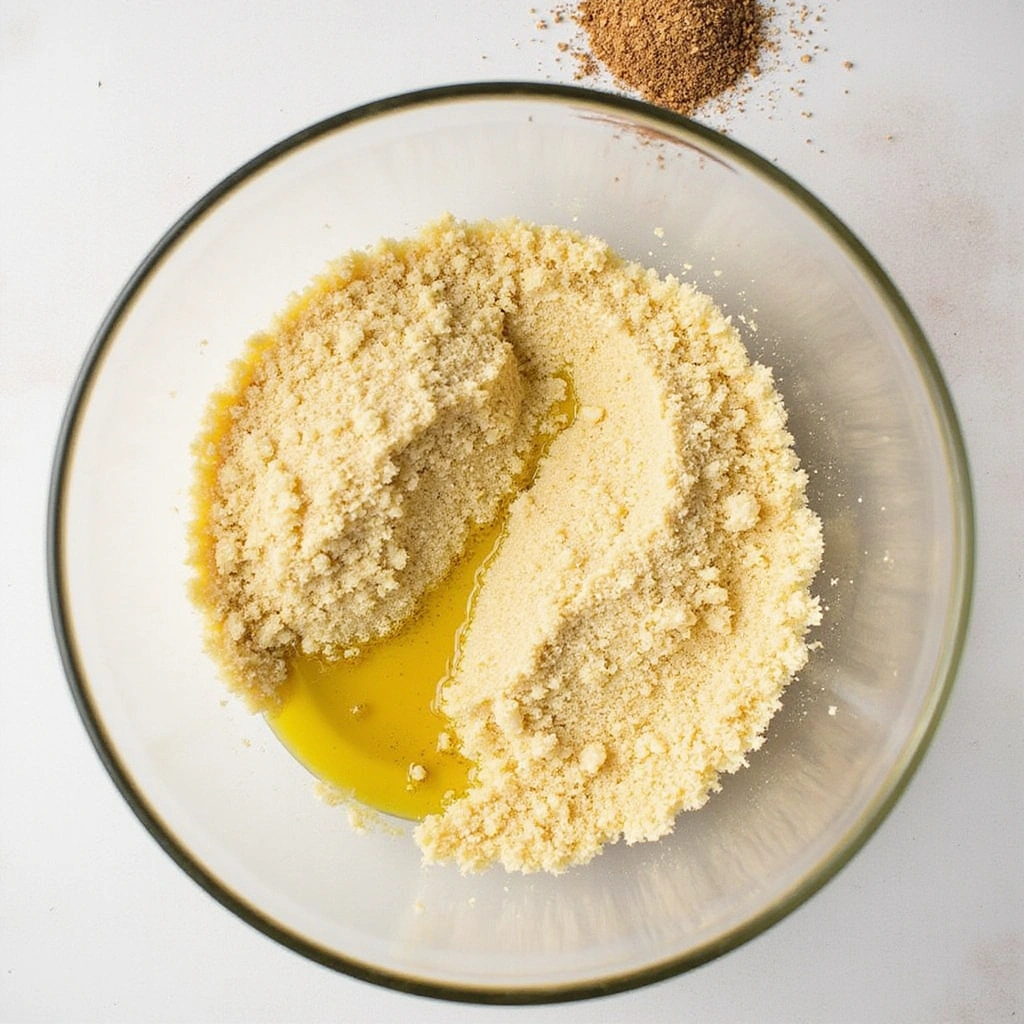
In a small bowl, mix gluten-free breadcrumbs with olive oil until well combined.
This will create a crispy topping that adds texture.
Evenly sprinkle the breadcrumb mixture over the casserole.
Make sure to cover the top thoroughly for an even crunch.


Step 7: Bake Casserole
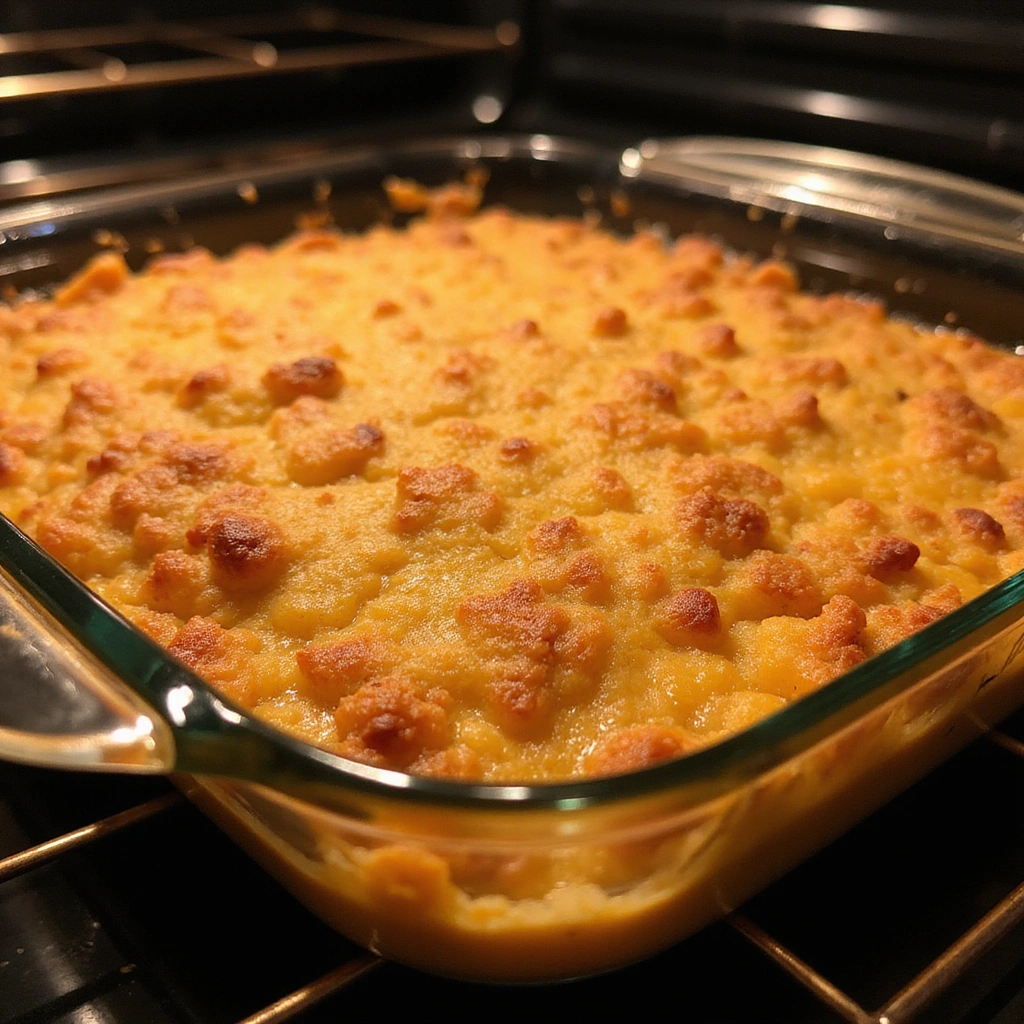
Place the casserole in the preheated oven and bake for 25-30 minutes.
Look for the top to become golden brown and the edges bubbling slightly.
This indicates the dish is heated through and the topping is crispy.
Keep an eye on it to prevent burning, especially the breadcrumbs.
Step 8: Cool and Serve
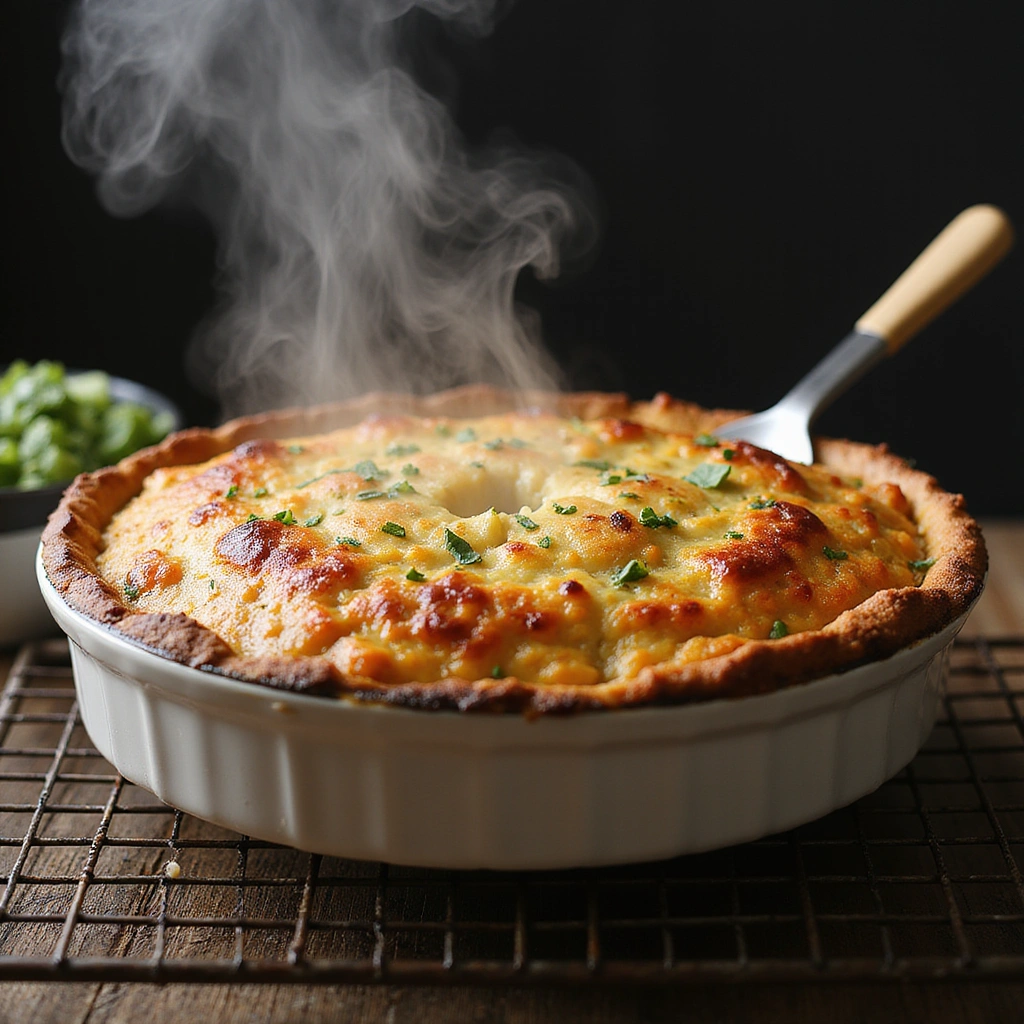
Once baked, carefully remove the casserole from the oven.
Let it cool for about 5-10 minutes before serving to allow the flavors to meld.
Use a spatula to cut and serve portions.
This resting time helps the casserole set and makes serving easier.
Critical Timing and Temperature Guide
Cooking Quinoa: Cook quinoa for exactly 15 minutes at a simmer. It should be fluffy and the liquid completely absorbed. Common mistakes include overcooking, which makes it mushy.
Baking Time: Bake for 25-30 minutes at 350°F (175°C). Look for a golden brown top and bubbling edges. Overbaking can lead to a dry casserole.
Cooling Time: Allow the casserole to cool for 5-10 minutes. This helps the dish set, making it easier to serve. Cutting too soon can cause it to fall apart.
Pro Tips for Gluten Free Dairy Free Casserole Recipes Healthy And Delicious
• Ingredient Selection: Choose organic vegetables and high-quality quinoa for the best flavor and nutrition.
• Preparation Secret: Sauté the vegetables briefly before adding them to enhance their flavors.
• Temperature Management: Ensure all ingredients are at room temperature before mixing for even cooking.
• Texture Enhancement: Use a combination of soft and crunchy vegetables for a satisfying bite.
• Flavor Layering: Add fresh herbs like basil or parsley for an extra flavor boost.
• Make-Ahead Strategies: Prepare the casserole a day in advance and store it in the fridge. Bake it just before serving.
• Restaurant-Quality Finishing Touches: Drizzle with balsamic glaze just before serving for added flavor and presentation.
• Equipment Optimization: Use a glass casserole dish to monitor cooking progress without opening the oven.


Troubleshooting Common Issues
• Texture Too Dense: This often occurs from overcooking the quinoa or not mixing ingredients properly. Ensure quinoa is fluffy and gently fold in vegetables.
• Flavors Unbalanced: If the dish tastes bland, consider adding more seasonings or fresh herbs. Taste before baking and adjust accordingly.
• Top Not Crispy: If the topping is soggy, ensure breadcrumbs are mixed with oil and spread evenly. Broil for a couple of minutes at the end if needed.
• Overcooked Vegetables: To prevent this, sauté vegetables briefly before mixing, which allows them to retain some crunch.
• Burnt Edges: This can happen if the oven temperature is too high. Always bake at the recommended temperature and rotate the dish halfway through.
Variations and Regional Differences
• Mexican Style: Incorporate black beans, corn, and taco seasoning for a spicy twist. Top with avocado after baking.
• Italian Style: Use marinara sauce instead of broth and add Italian herbs like oregano and basil. Top with nutritional yeast for cheesy flavor.
• Asian Inspired: Add soy sauce, ginger, and sesame oil, and include edamame and bell peppers for a unique flavor profile.
• Modern Interpretations: Consider adding plant-based proteins like lentils or chickpeas to boost nutrition and flavor.


Food Science Behind the Recipe
• Gelatinization: This occurs when the starches in quinoa absorb water and swell, creating a fluffy texture that holds the dish together.
• Maillard Reaction: The browning of the topping during baking adds depth of flavor and appealing color, enhancing the overall presentation.
• Emulsification: Mixing breadcrumbs with olive oil allows for even browning and a crispy texture, crucial for a satisfying casserole topping.
Frequently Asked Questions
What’s the most common mistake people make when preparing Gluten Free Dairy Free Casserole? The most common mistake is overcooking the quinoa, making it mushy. Always follow package instructions for cooking times.
Can I prepare components of this dish in advance? Yes, you can cook the quinoa and chop the vegetables a day before and store them in the fridge.
How do I adapt this recipe for dietary restrictions? You can substitute the chicken broth with vegetable broth for a vegan option without compromising flavor.
What’s the best way to store and reheat leftovers? Store leftovers in an airtight container in the fridge for up to 3 days. Reheat in the microwave or oven at 350°F until warmed through.
Can I freeze this dish? Yes, freeze the unbaked casserole tightly covered for up to 3 months. Thaw in the fridge before baking.
What wine or beverages pair best with this dish? A crisp white wine, like Sauvignon Blanc, complements the flavors of the casserole nicely.
How can I scale this recipe up for a crowd? Simply double the ingredients and use a larger casserole dish, adjusting baking time as necessary.
What side dishes complement this recipe best? A fresh green salad or roasted vegetables pair well and add balance to the meal.
How do professional chefs elevate this dish for restaurant service? Chefs often add finishing touches like fresh herbs or a drizzle of high-quality olive oil just before serving.
Serving and Presentation Guide
• Traditional Presentation: Serve directly from the casserole dish, garnished with fresh herbs on top for color and appeal.
• Modern Plating Ideas: Plate individual portions on white plates with a drizzle of balsamic reduction for a sophisticated look.
• Accompaniment Suggestions: Pair with a crisp salad and a light vinaigrette to balance the richness of the casserole.
• Special Occasion Presentation: For gatherings, serve in a decorative casserole dish and provide serving utensils that match the theme.
Conclusion
I encourage you to try this Gluten Free Dairy Free Casserole recipe for your next meal.
It’s packed with flavor and nutrition, making it a perfect choice for everyone.
Share it with friends and family, and watch them enjoy every bite!