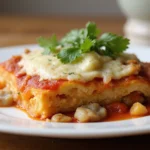

Ham and Egg Casserole is a delightful dish that brings warmth and comfort to any breakfast table.
The combination of savory ham and fluffy eggs creates a satisfying flavor profile that appeals to all ages.
I first encountered this recipe at a family gathering, where its rich aroma and hearty texture made it an instant favorite among guests.
Perfect for busy mornings or lazy weekends, this casserole is not only simple to prepare but also offers the flexibility to customize with your favorite ingredients.
The History and Cultural Significance
• Ham and Egg Casserole has roots in American cuisine, particularly from the mid-20th century, when casseroles became a staple for their ease of preparation.
• The dish evolved as families sought hearty, economical meals that could feed many, leading to a variety of ingredients and styles.
• In many American households, this casserole appears during holiday breakfasts, symbolizing togetherness and comfort.
• While variations abound, the classic combination of ham, eggs, and cheese remains the hallmark of this beloved breakfast dish.
Recipe Overview
Nutritional Information (per serving)
Ingredients


Essential Equipment Guide
Casserole Dish: A good quality casserole dish is essential for even cooking and presentation. Look for one made from ceramic or glass, which retains heat well, ensuring the dish cooks evenly. Avoid metal dishes, as they can cause uneven browning.
Mixing Bowl: A large mixing bowl is important for combining ingredients without spillage. Choose one that is sturdy and easy to clean, preferably with a non-slip base to aid mixing.
Whisk: A whisk is crucial for beating the eggs to achieve a fluffy texture. Opt for a stainless steel whisk that can handle thicker mixtures and is easy to maneuver.
Preparation Methods
Egg Beating: Beating the eggs thoroughly is essential for incorporating air, which results in a fluffy texture. Use a whisk or electric mixer, and ensure the mixture is light and frothy before adding to the dish.
Layering Ingredients: Proper layering ensures even distribution of flavors and textures. Start with the ham at the bottom, followed by vegetables and cheese, then pour in the egg mixture evenly across the top.
Baking Technique: Baking the casserole at the right temperature is critical for proper cooking. Ensure your oven is preheated and avoid opening the door frequently to maintain consistent heat.
Step 1: Prepare Ingredients
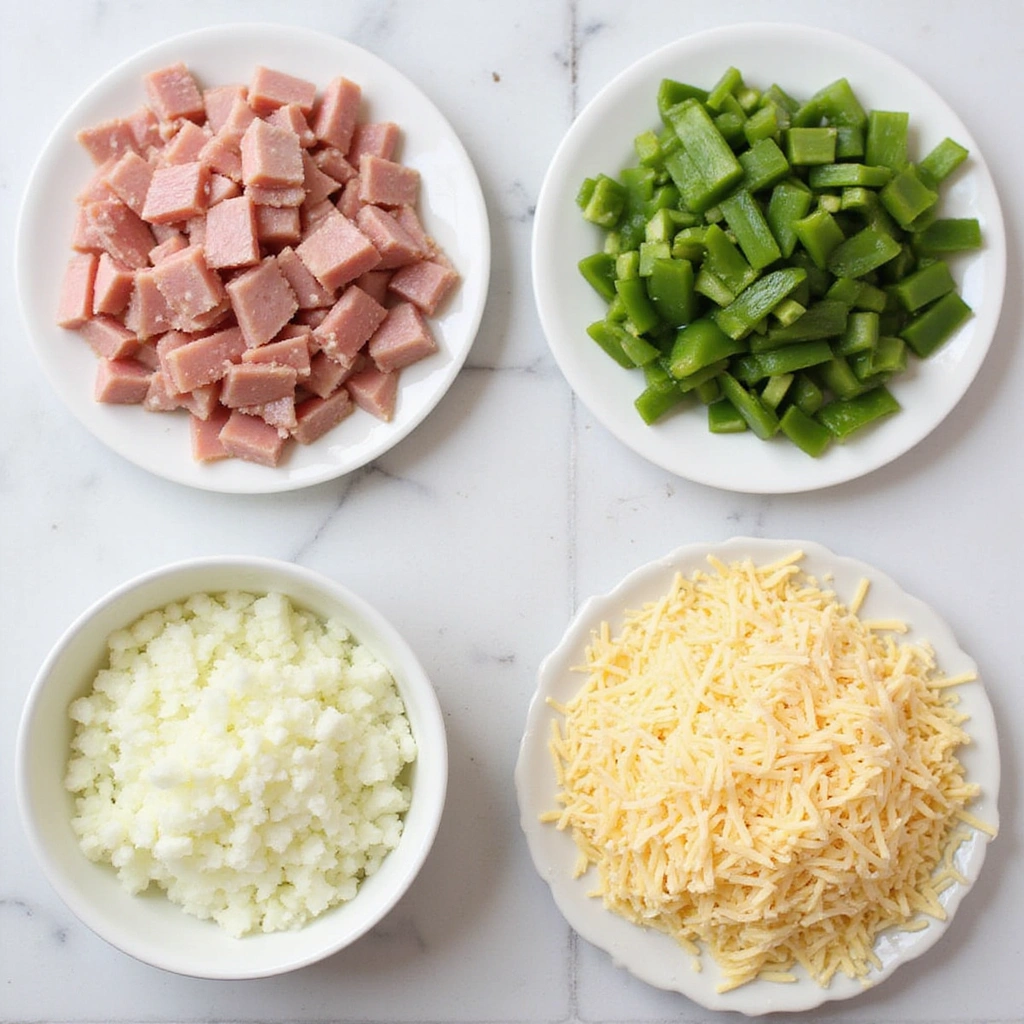
Gather all ingredients on your countertop.
Chop the vegetables and dice the ham into bite-sized pieces.
Shred the cheese if not pre-shredded, ensuring it’s ready for layering.
This step is important to streamline the cooking process and minimize delays.
Step 2: Preheat the Oven
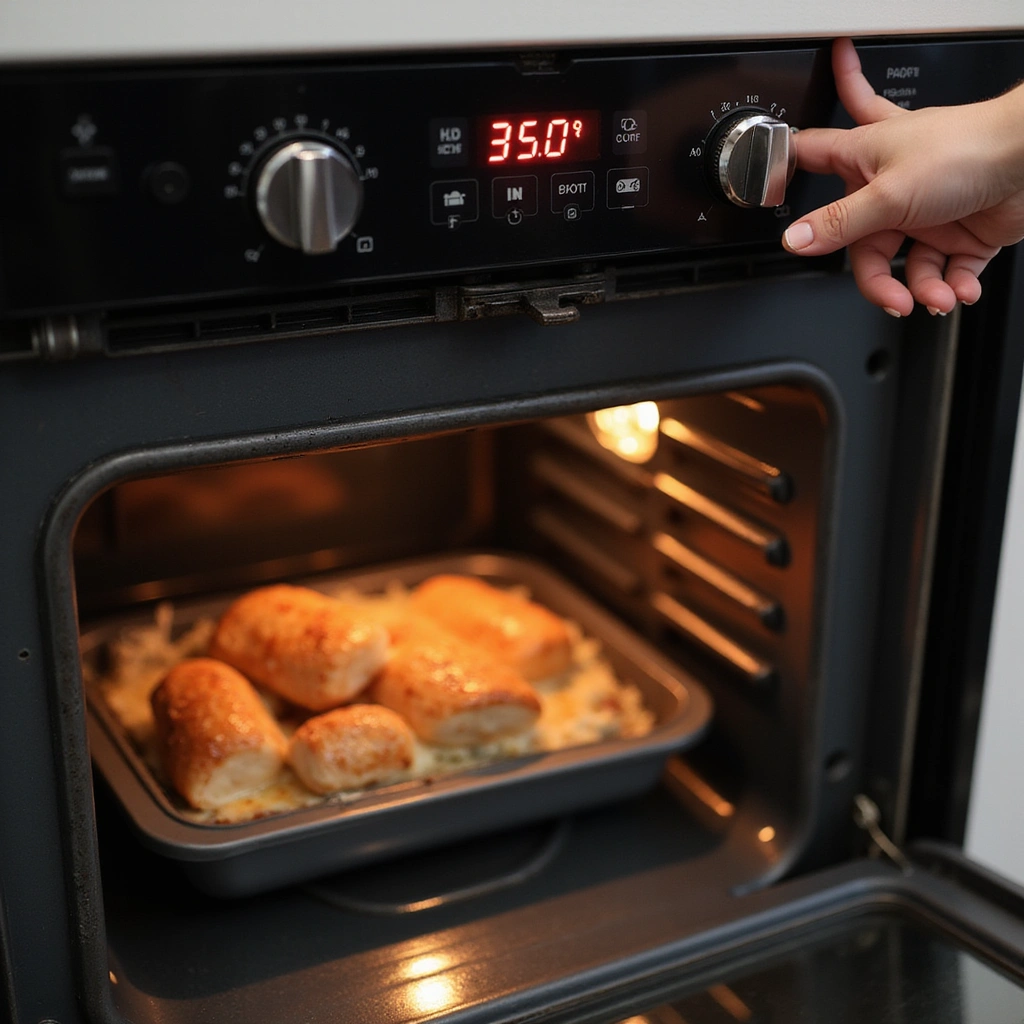
Set your oven to preheat at 350°F (175°C).
This ensures that the casserole bakes evenly from the moment it goes in.
Allow at least 10-15 minutes for the oven to reach the desired temperature.
Using a preheated oven is critical for achieving a perfectly baked casserole.
Step 3: Whisk the Eggs
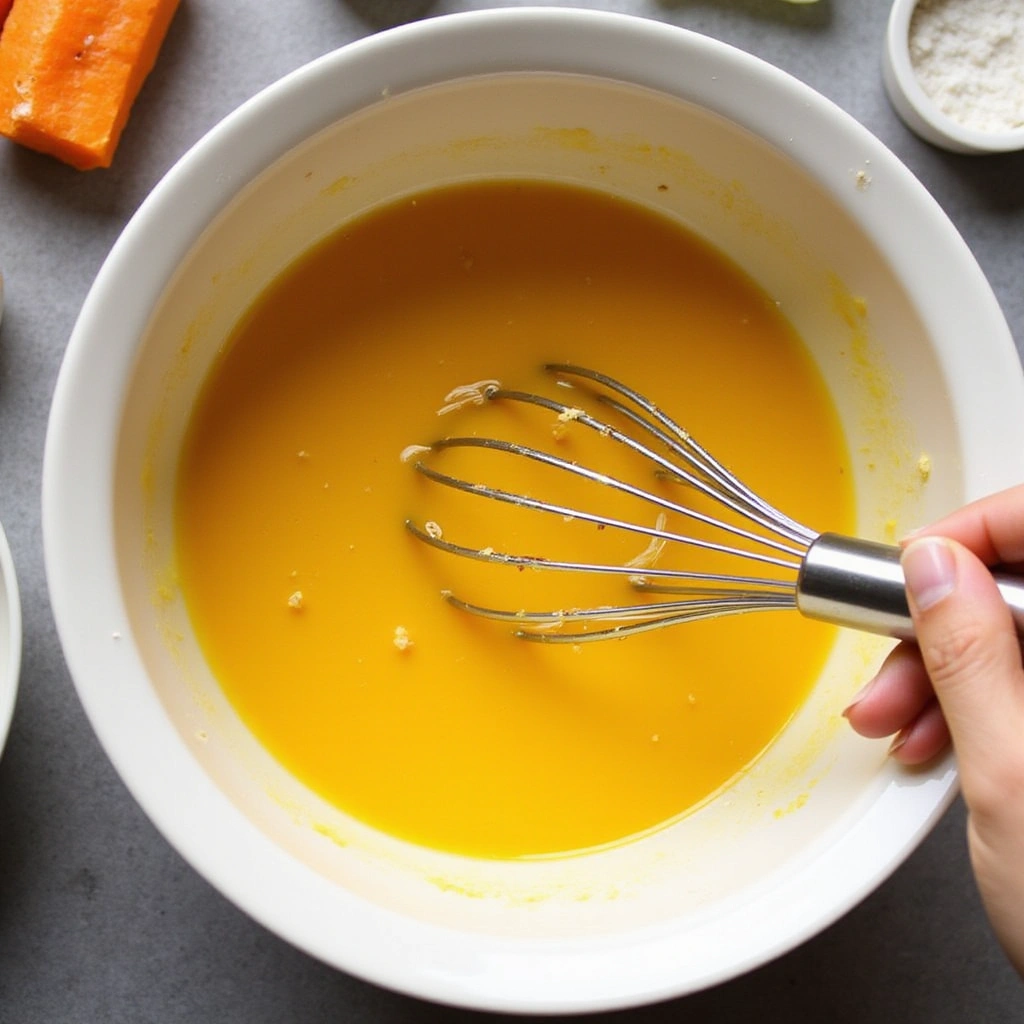
In a large mixing bowl, crack all the eggs into the bowl.
Using a whisk, beat the eggs until they are fully combined and frothy.
Look for a light yellow color and bubbly texture to ensure adequate aeration.
This step is vital for achieving a fluffy consistency in the final casserole.
Step 4: Add Milk and Seasonings
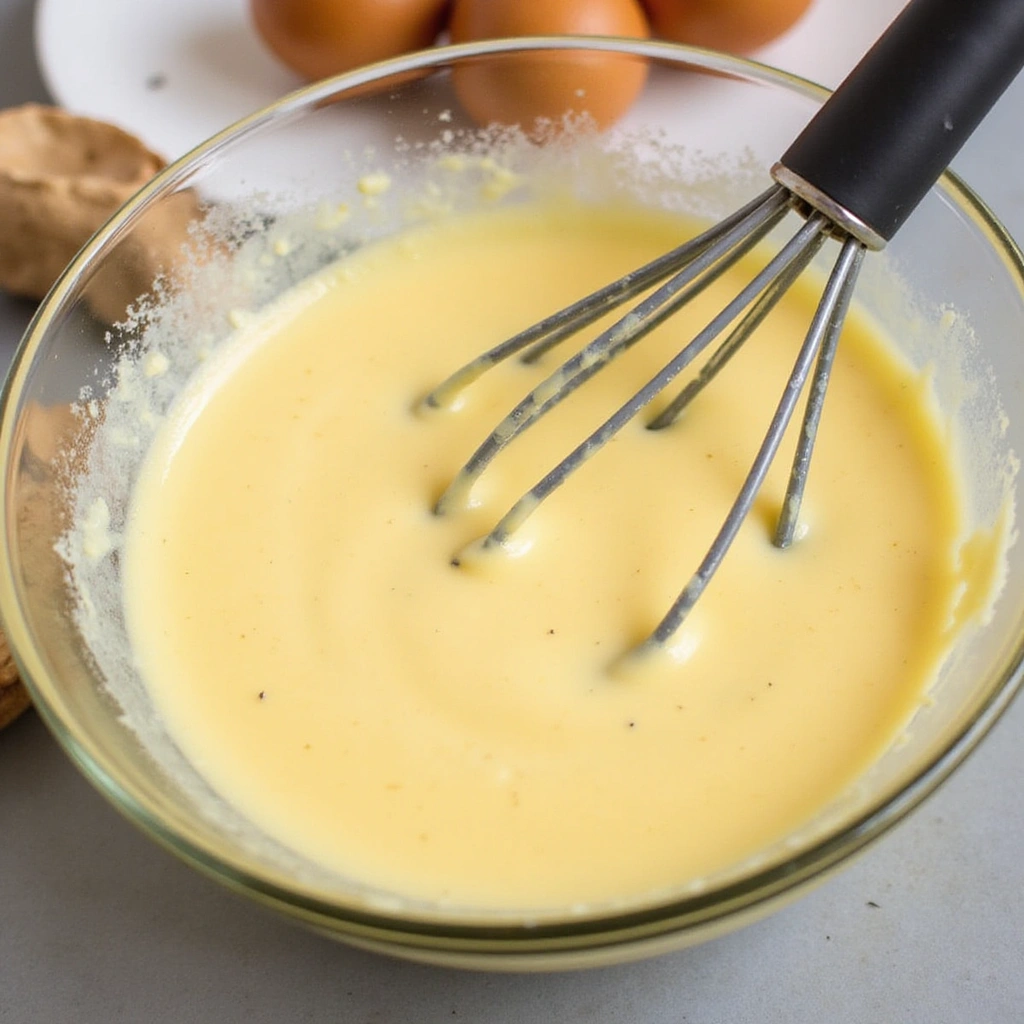
Pour in the milk to the eggs and sprinkle in the salt, pepper, and garlic powder.
Whisk again until everything is well mixed and the mixture is smooth.
This combination enhances the flavor and adds creaminess to the casserole.
Ensure there are no lumps for the best texture.

Step 5: Layer the Ingredients
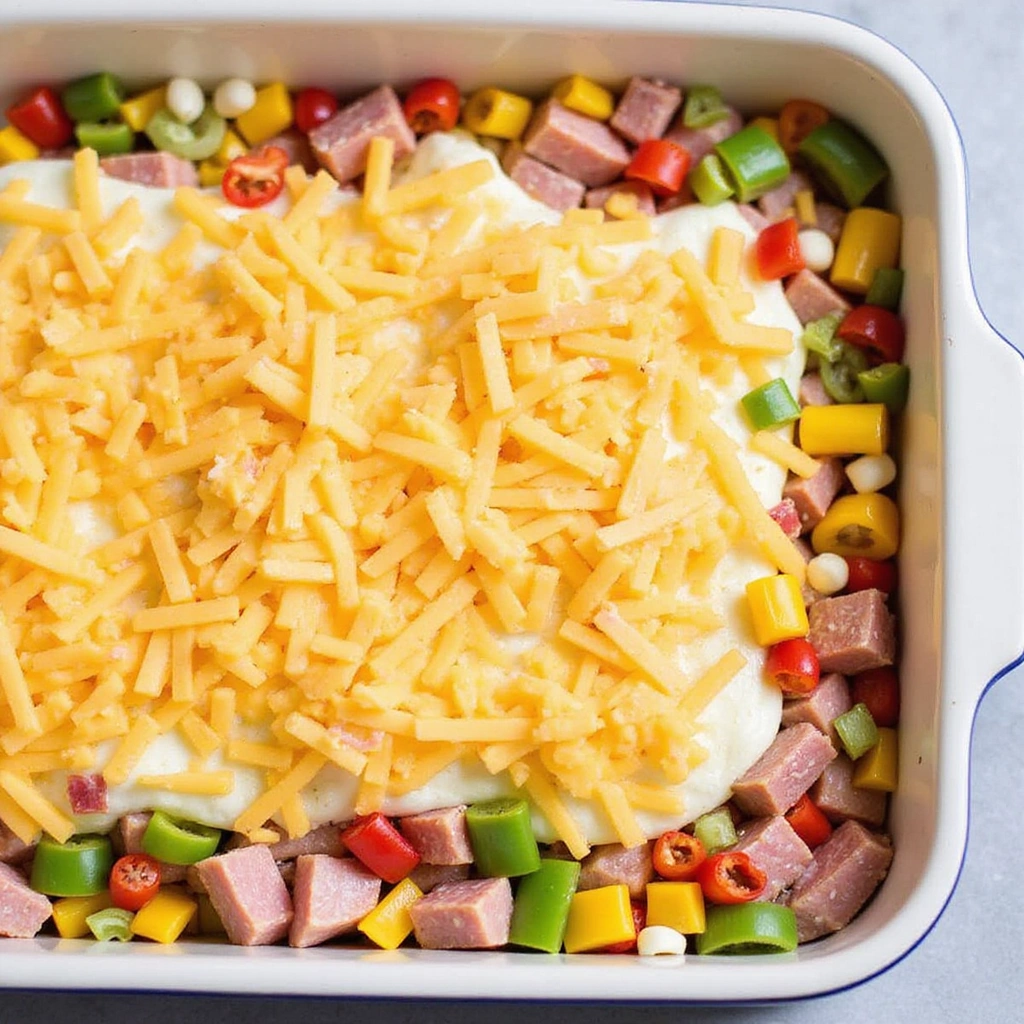
In a greased casserole dish, spread the diced ham evenly across the bottom.
Next, layer the chopped bell peppers and onions to distribute flavors.
Finally, sprinkle half of the shredded cheese over the vegetables.
This layering technique ensures that flavors meld beautifully during baking.
Step 6: Pour the Egg Mixture
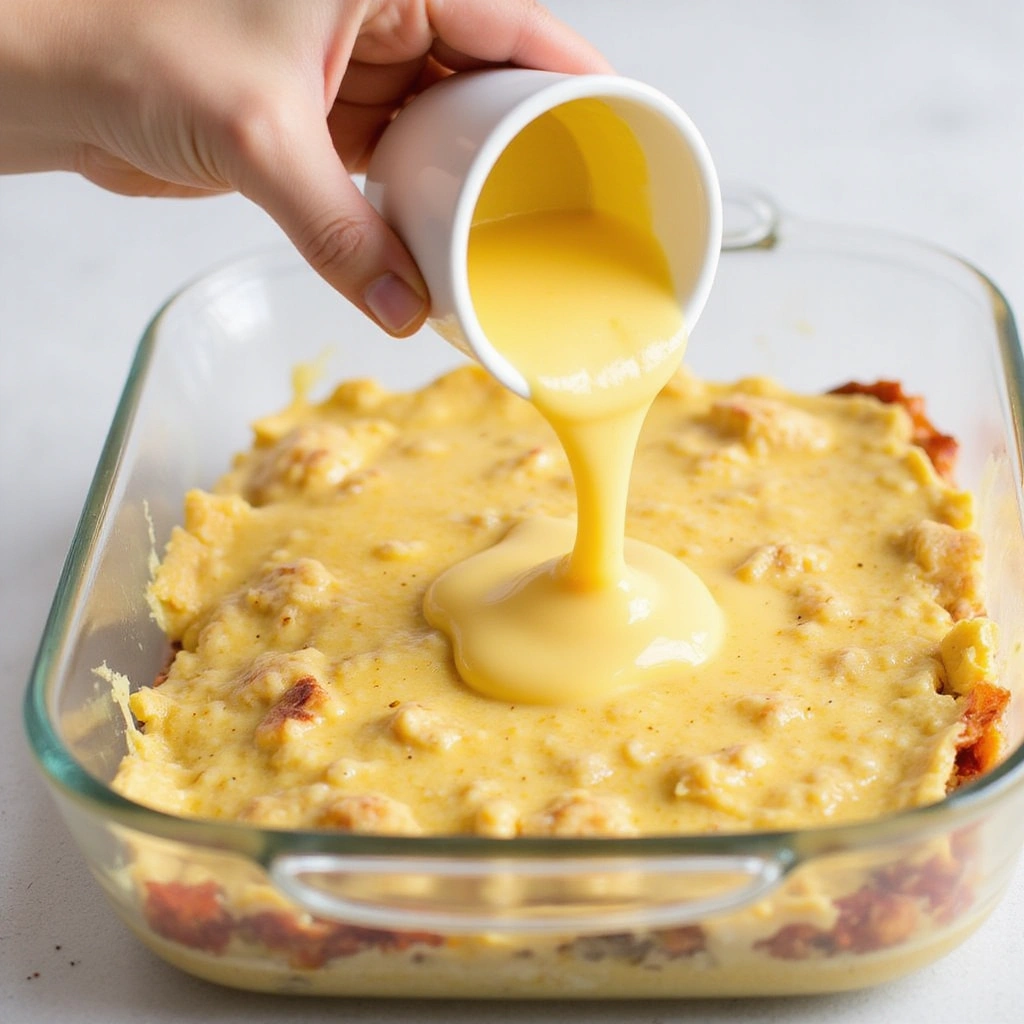
Carefully pour the egg mixture over the layered ingredients in the casserole dish.
Make sure to cover all the layers evenly for proper cooking.
Gently shake the dish to allow the mixture to settle into the layers.
This step helps integrate all the flavors and ensures even cooking.
Step 7: Add Remaining Cheese
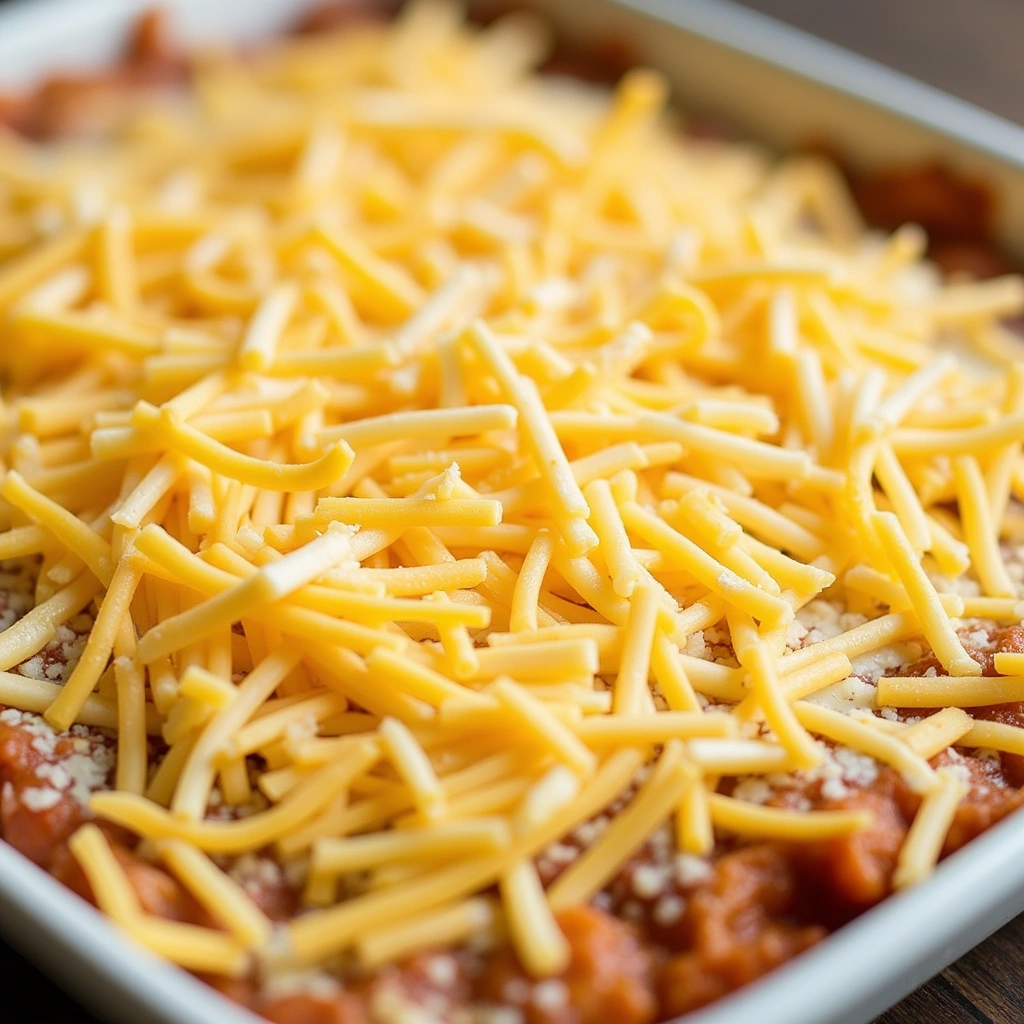
Sprinkle the remaining cheese evenly over the top of the casserole.
This layer will create a deliciously melted and golden crust during baking.
Ensure coverage over the entire surface for uniform browning.
This final touch enhances both flavor and presentation.
Step 8: Bake the Casserole

Place the casserole in the preheated oven and bake for 45 minutes.
Check for doneness by inserting a knife; it should come out clean.
During baking, the casserole will puff up and turn golden brown on top.
Avoid opening the oven door frequently to maintain heat.


Step 9: Cool and Serve
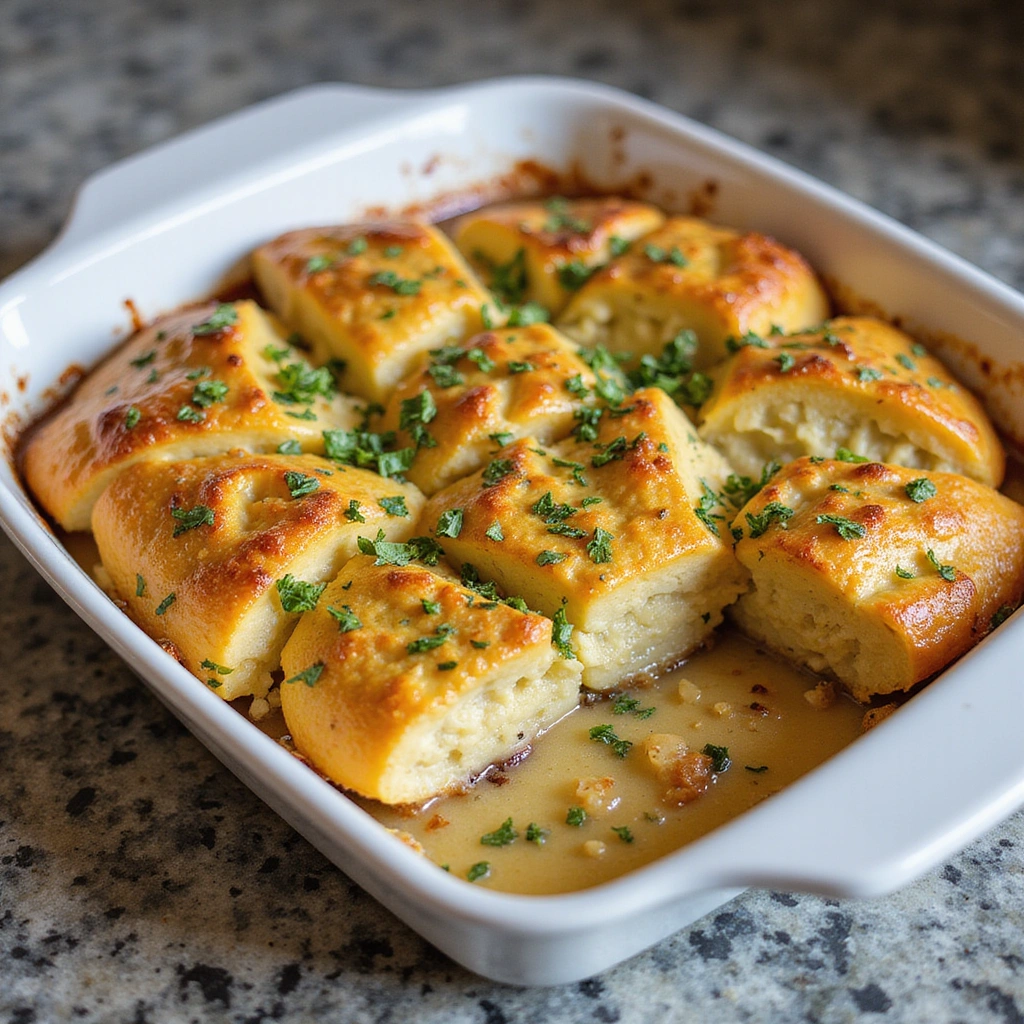
Once baked, remove the casserole from the oven and let it cool for 10 minutes.
This cooling time allows the casserole to set, making it easier to slice.
Cut into squares and serve warm, optionally garnished with fresh herbs.
This step enhances the presentation and flavor experience.
Critical Timing and Temperature Guide
Preheating the Oven: Always preheat your oven to 350°F (175°C) for at least 15 minutes before baking. This ensures even cooking and a properly risen casserole. Common mistakes include not allowing the oven to preheat fully, which can lead to undercooked centers.
Baking Time: Bake the casserole for 45 minutes or until a knife comes out clean. Overbaking can result in a dry texture, while underbaking leads to a runny center. Keep an eye on the top for a golden-brown color as an indicator of doneness.
Cooling Time: Allow the casserole to cool for 10 minutes after baking before cutting into it. This helps it set and makes serving easier. Cutting too soon can result in a messy presentation.
Pro Tips for Ham And Egg Casserole Recipes Simple Breakfast Bake
• Ingredient Selection: Use high-quality eggs and cheese for the best flavor. Fresh, organic eggs will give a richer taste, while high-quality cheese melts beautifully.
• Preparation Secret: Consider sautéing the vegetables in a pan before adding them to the casserole. This enhances their flavor and ensures they’re tender after baking.
• Temperature Management: Ensure all ingredients are at room temperature before mixing. Cold eggs or milk can lead to uneven cooking.
• Texture Enhancement: For a creamier texture, substitute half the milk with heavy cream.
• Flavor Layering: Adding herbs like thyme or chives can elevate the flavor profile significantly. Incorporate them into the egg mixture for a fragrant aroma.
• Make-Ahead Strategies: Prepare the casserole the night before and keep it in the refrigerator. Bake it in the morning for a quick breakfast.
• Restaurant-Quality Finishing Touches: Garnish with fresh herbs or a dollop of sour cream when serving for a gourmet touch.
• Equipment Optimization: Use a glass casserole dish for even cooking and to easily monitor browning.
Troubleshooting Common Issues
• Texture Too Dense: This can happen if the eggs are over-beaten or if too much milk is added. Ensure you gently beat the eggs until just combined and measure milk accurately. Adjust ratios in future attempts.
• Flavors Unbalanced: If the dish tastes bland, it may be due to insufficient seasoning. Taste your egg mixture before pouring it into the casserole and adjust salt and pepper accordingly.
• Burnt Top, Undercooked Center: If the top browns too quickly, cover the dish with foil during the last 15 minutes of baking. This will protect the top while allowing the center to cook through.
• Excess Moisture: If the casserole is watery, it may be due to using frozen vegetables without thawing. Always drain or sauté frozen veggies before adding them.
• Overcooked Edges: If the edges are overcooked while the center is not, try reducing the baking time or using a larger dish to promote even cooking.
Variations and Regional Differences
• Southern Style: In the Southern U.S., this casserole often includes collard greens or spinach, adding a nutritious twist and vibrant color to the dish.
• Tex-Mex Variation: Incorporating chorizo and jalapeños gives a spicy kick, topped with pepper jack cheese for added creaminess.
• Vegetarian Version: Omitting the ham and adding mushrooms, zucchini, and bell peppers makes for a hearty vegetarian meal.
• Modern Interpretations: Today, many chefs are adding quinoa or sweet potatoes for a health-conscious twist while maintaining the dish’s essence.


Food Science Behind the Recipe
• Maillard Reaction: This reaction occurs when proteins and sugars in the ham and cheese brown during cooking, enhancing flavor and creating a pleasing appearance. Understanding this helps in timing the bake to achieve the perfect crust.
• Emulsification: The mixing of eggs and milk creates an emulsion, resulting in a creamy texture. This is crucial for the overall mouthfeel of the casserole.
• Gelatinization: As the casserole bakes, starches in the ingredients absorb moisture and swell, contributing to the final structure. Knowing how to balance moisture is key to avoiding a soggy dish.
Frequently Asked Questions
What’s the most common mistake people make when preparing Ham and Egg Casserole? The top mistake is not seasoning the egg mixture adequately, which can lead to a bland final dish. Always taste and adjust seasonings before baking.
Can I prepare components of this dish in advance? Yes, you can chop vegetables and even mix the egg mixture the night before. Store in the refrigerator overnight and assemble in the morning.
How do I adapt this recipe for dietary restrictions? For gluten-free diets, ensure your ingredients are certified gluten-free. For dairy-free, use almond or oat milk and a dairy-free cheese substitute.
What’s the best way to store and reheat leftovers? Store leftovers in an airtight container in the refrigerator for up to 3 days. Reheat in the oven at 350°F (175°C) for 15-20 minutes until warmed through.
Can I freeze this dish? Yes, the casserole can be frozen before baking. Wrap tightly in foil and freeze for up to 2 months. Thaw in the fridge overnight before baking.
What wine or beverages pair best with this dish? A light-bodied white wine, such as Sauvignon Blanc, complements the savory flavors well. For non-alcoholic options, consider fresh orange juice or herbal tea.
How can I scale this recipe up for a crowd? To serve more people, double the ingredients and use a larger casserole dish. Increase baking time slightly to ensure thorough cooking.
What side dishes complement this recipe best? Fresh fruit salad or a light green salad with vinaigrette balances the richness of the casserole.
How do professional chefs elevate this dish for restaurant service? Chefs often add gourmet touches like truffle oil or microgreens for garnish, enhancing both flavor and presentation.
Serving and Presentation Guide
• Traditional Presentation: Serve the casserole directly from the baking dish, garnished with fresh parsley or chives for a pop of color. Use a large spoon to serve generous portions.
• Modern Plating Ideas: For a contemporary twist, plate individual portions on a white plate, drizzling with a balsamic reduction and adding a side of fresh greens.
• Accompaniment Suggestions: Serve with hot sauce or salsa on the side for those who enjoy an extra kick. Fresh fruit complements the rich flavors nicely.
• Special Occasion Presentation: For holidays or gatherings, consider serving in a decorative dish and adding edible flowers or seasonal herbs for an eye-catching touch.
Conclusion
I hope this Ham and Egg Casserole recipe brings joy and comfort to your breakfast table.
Its simplicity and versatility make it a dish you’ll return to time and again.
Try experimenting with your favorite ingredients to make it truly your own.