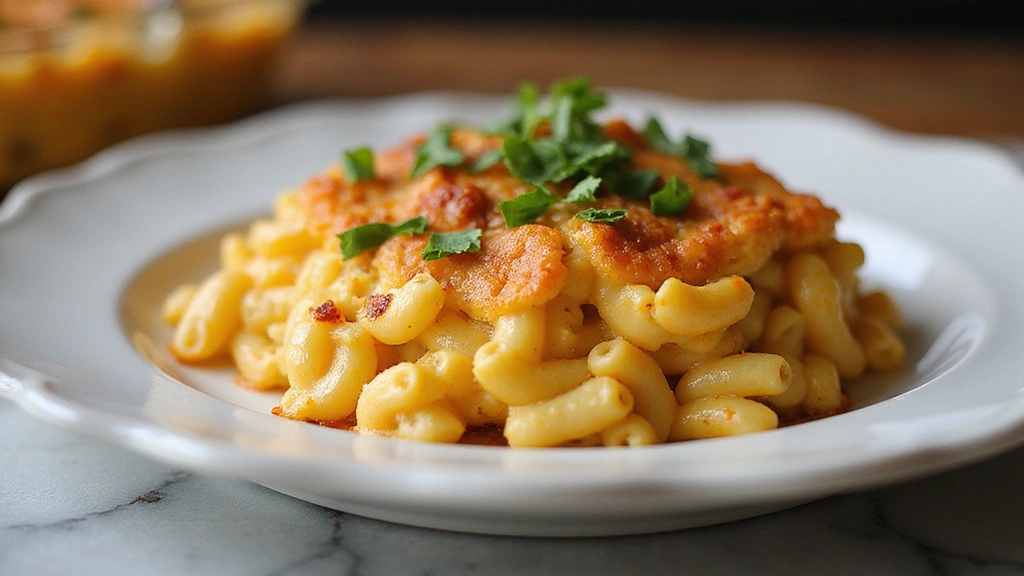
Mac and cheese casserole is the ultimate comfort food that warms the heart and satisfies the soul.
With its rich, creamy cheese sauce enveloping perfectly cooked pasta, this dish strikes a delightful balance between indulgence and nostalgia.
I fondly remember family gatherings where this casserole was a staple, bringing everyone together around the table for a hearty meal.
Whether enjoyed on a chilly evening or as a potluck favorite, this mac and cheese casserole is sure to become a beloved dish in your home.
The History and Cultural Significance
• Mac and cheese is believed to have its origins in Italy, dating back to the 13th century, where it was made with pasta and cheese.
• The dish evolved in the United States during the 18th century, particularly popularized by Thomas Jefferson after his travels to Europe.
• In American culture, mac and cheese is often served at family gatherings, holidays, and celebrations, symbolizing comfort and togetherness.
• While many variations exist, the classic version remains distinguished by its cheesy sauce and baked topping.
Recipe Overview
Nutritional Information (per serving)
Ingredients


Essential Equipment Guide
9×13-inch Baking Dish: This size is crucial for ensuring even cooking and crisping of the top layer. Look for a sturdy, non-stick option to prevent sticking and make cleanup easier.
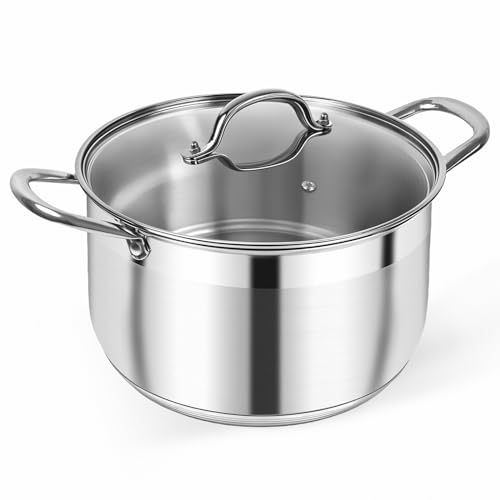
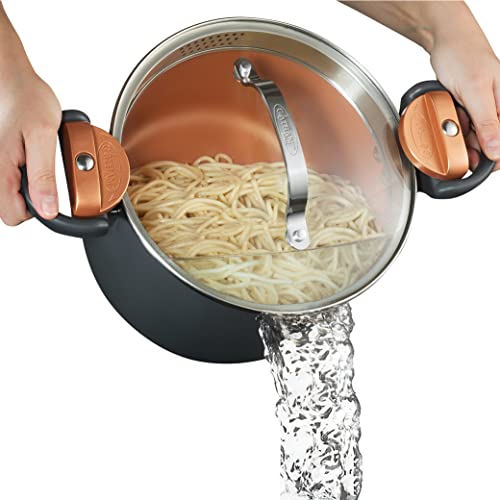
Large Pot: A heavy-bottomed pot is essential for boiling pasta evenly without scorching. Consider one with a tight-fitting lid to help retain heat when cooking.
Whisk: A good whisk is important for creating a smooth cheese sauce without lumps. Opt for a stainless steel or silicone whisk for durability and ease of cleaning.

Preparation Methods
Cooking Pasta: Properly cooking your pasta is crucial to prevent it from becoming mushy in the casserole. Ensure you cook it to al dente, which means it should be firm to the bite. Always taste a piece before draining to check for doneness.
Making a Roux: A roux is a mixture of fat and flour that thickens sauces. It’s essential to whisk the flour and butter together until it forms a paste and turns slightly golden, ensuring a smooth sauce.
Baking the Casserole: Baking allows the flavors to meld and creates a golden, crispy top. Make sure to cover the dish for the first half of the baking time to prevent over-browning, then uncover to achieve that desired crust.
Step 1: Prepare Ingredients

Begin by gathering all your ingredients on the countertop.
This ensures you have everything ready before you start cooking.
Measure out the macaroni, cheese, milk, and spices carefully.
Having everything prepped will streamline the cooking process and prevent mistakes.
Step 2: Cook the Pasta
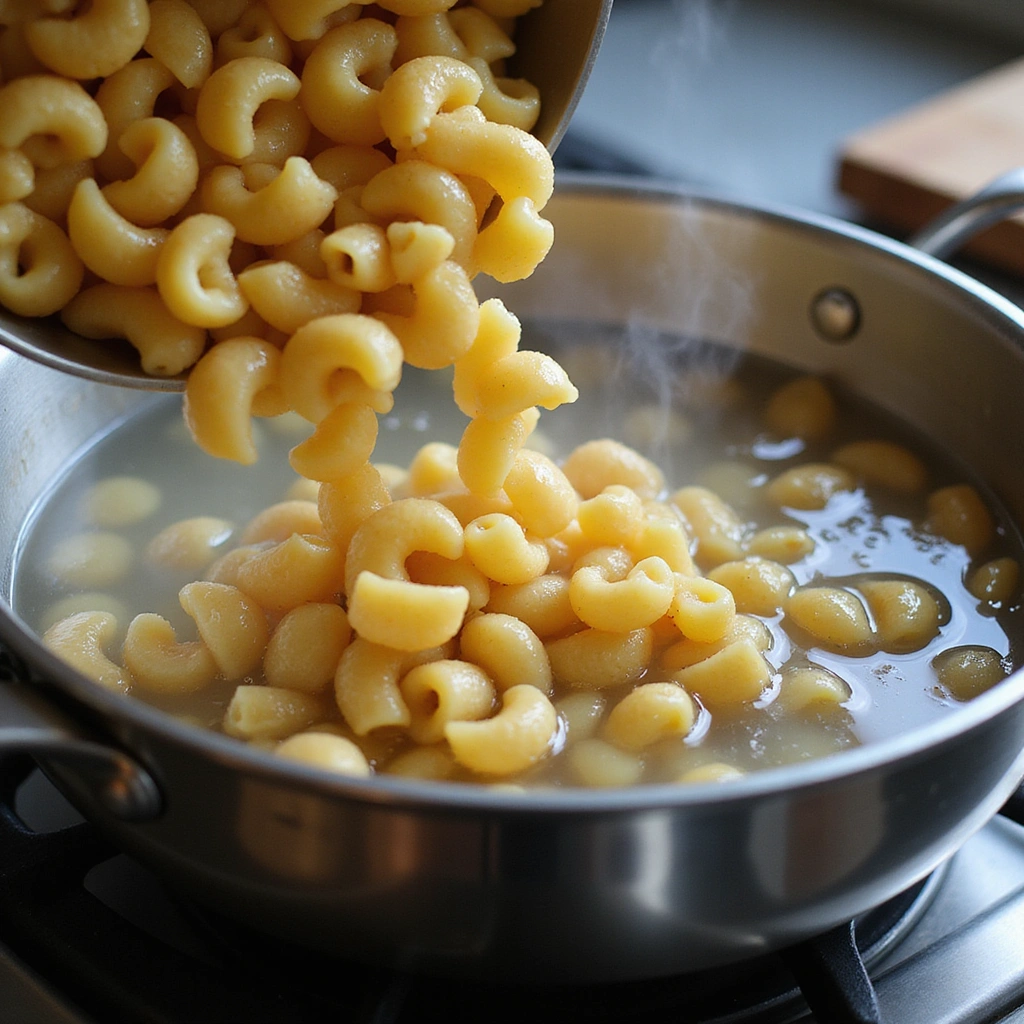
Bring a large pot of salted water to a boil.
Add the elbow macaroni and cook according to package directions until al dente.
Stir occasionally to prevent sticking and ensure even cooking.
Once done, drain the pasta and set it aside to cool slightly.
Step 3: Make the Roux
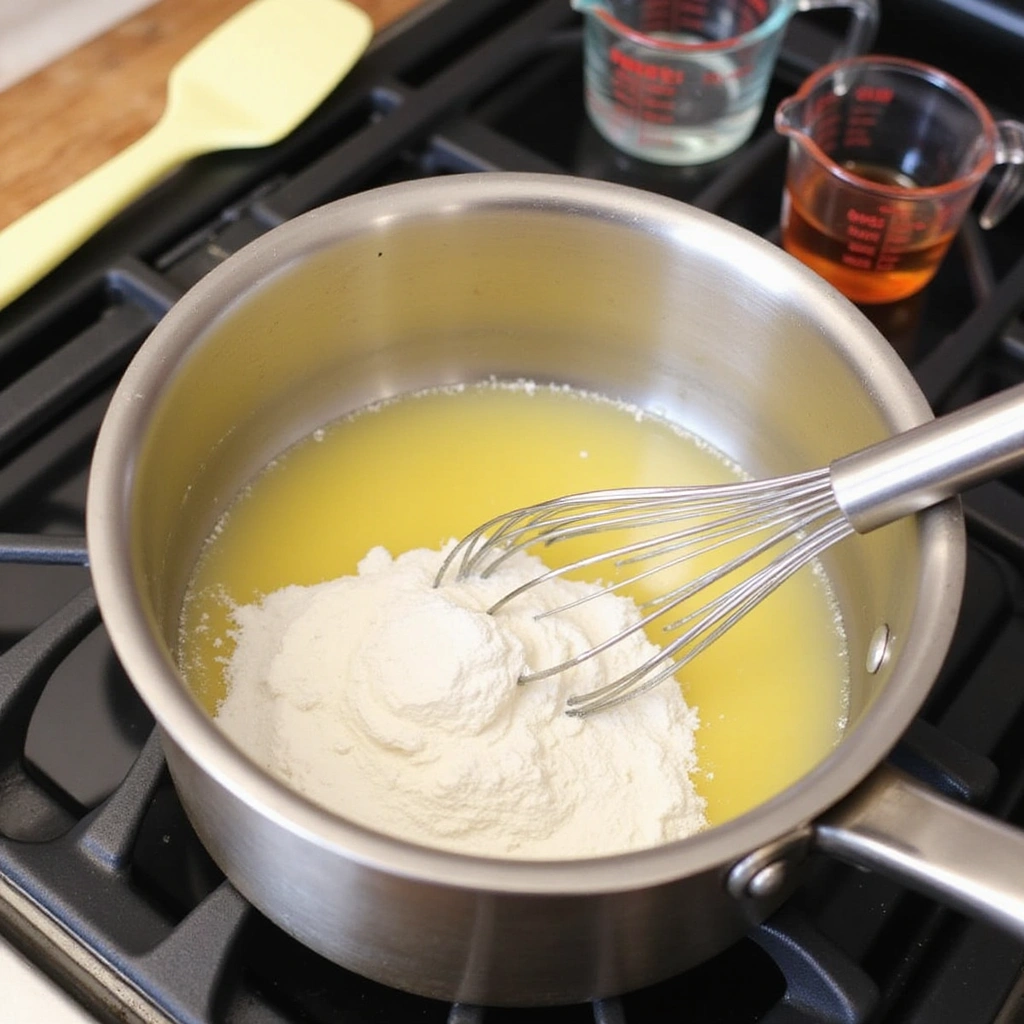
In a separate saucepan, melt the butter over medium heat.
Once melted, whisk in the flour and cook for about 2 minutes until it forms a paste.
This step is important to remove the raw flour taste and create a smooth sauce.
Look for a light golden color before proceeding to the next step.


Step 4: Add Milk and Cheese

Slowly pour in the milk while continuously whisking to avoid lumps.
Cook until the mixture thickens, about 5-7 minutes, stirring constantly.
Once thickened, lower the heat and stir in the shredded cheddar cheese until completely melted.
The sauce should be creamy and smooth, perfect for coating the pasta.
Step 5: Combine Pasta and Sauce
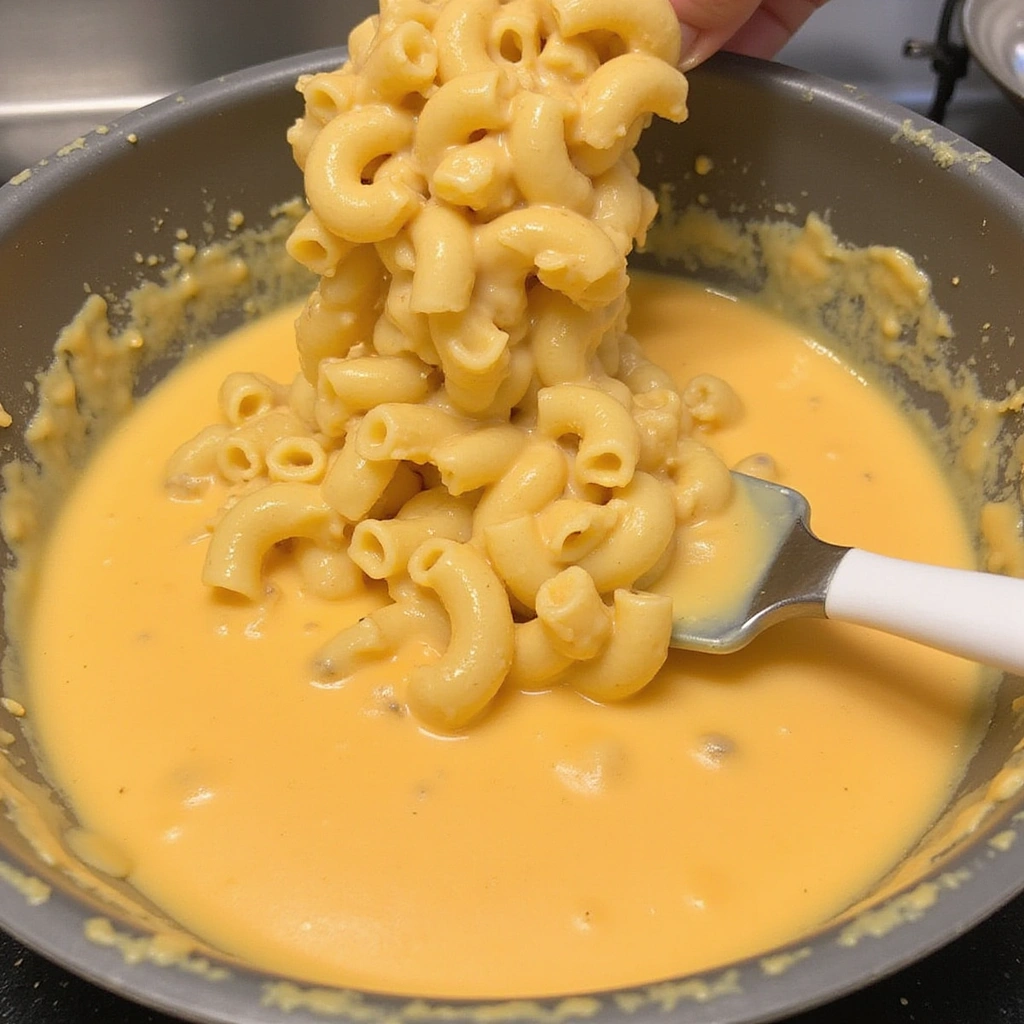
Add the cooked macaroni to the cheese sauce, stirring gently to coat.
Make sure every piece of pasta is covered in the creamy sauce for the best flavor.
Taste and adjust seasoning with salt and pepper if necessary.
This step is crucial for ensuring every bite is flavorful.


Step 6: Transfer to Baking Dish
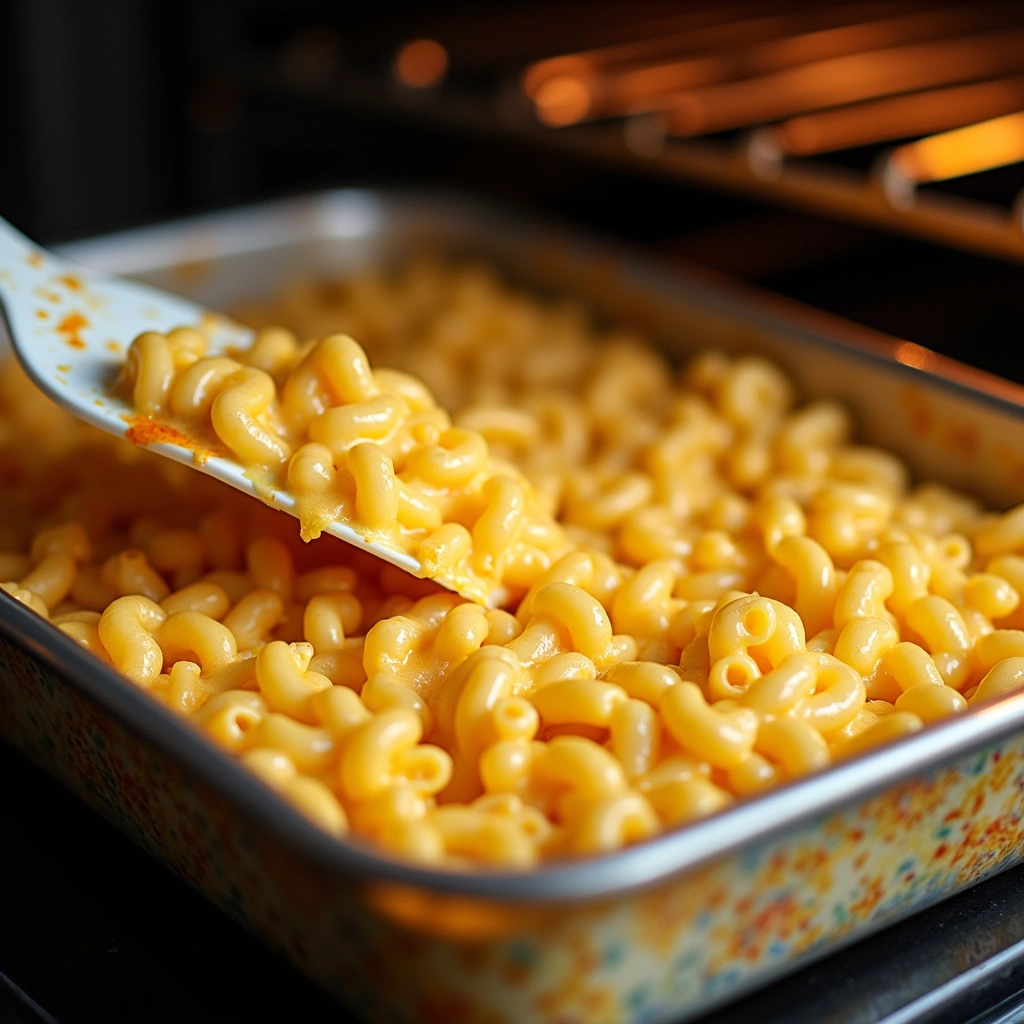
Preheat your oven to 350°F (175°C).
Transfer the macaroni and cheese mixture into the prepared 9×13-inch baking dish.
Spread it evenly with a spatula to ensure even baking.
This will help achieve a uniform texture and crispy top.
Step 7: Bake the Casserole
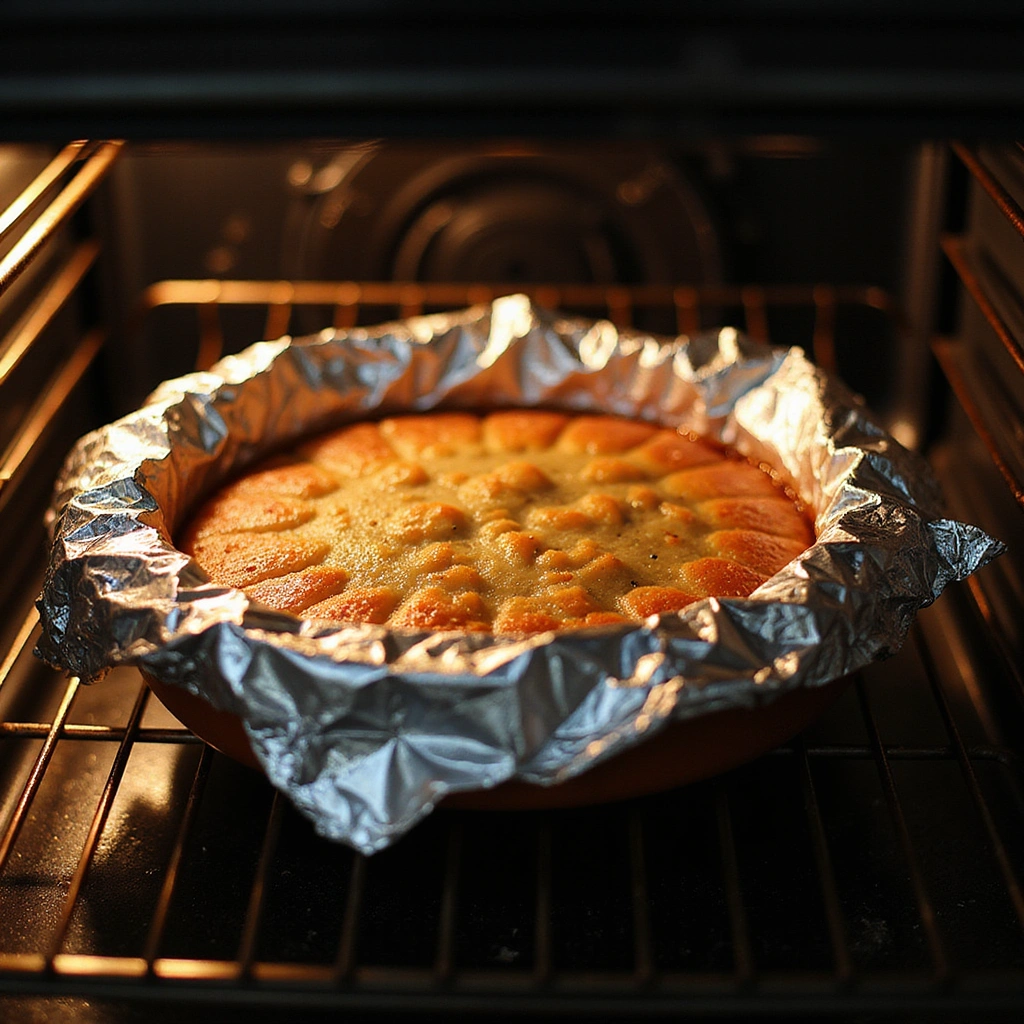
Cover the baking dish with aluminum foil and place it in the preheated oven.
Bake for 20 minutes to allow the flavors to meld.
After 20 minutes, remove the foil and continue baking for another 10-15 minutes until the top is golden brown.
Watch closely to avoid burning the cheese crust.
Step 8: Serve and Enjoy
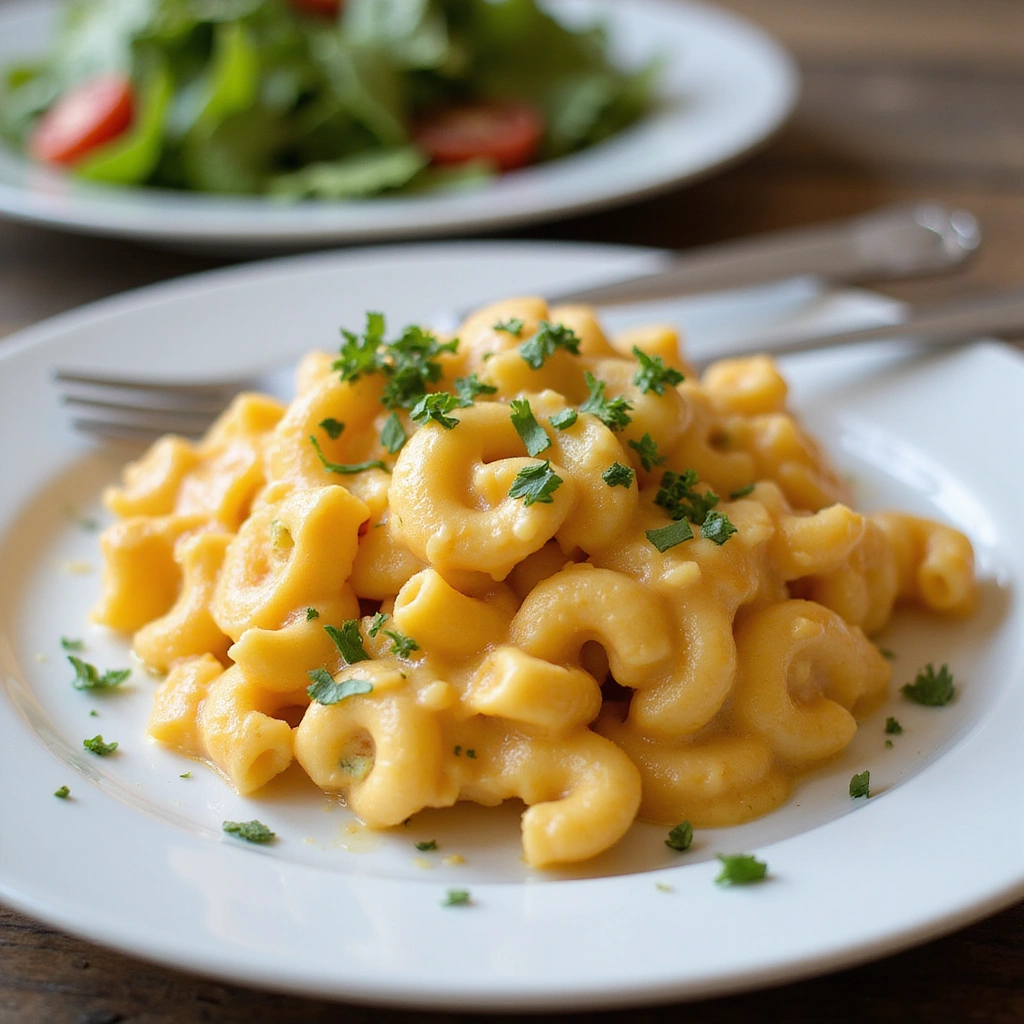
Once baked, remove the casserole from the oven and let it cool for a few minutes.
Scoop portions onto plates, garnishing with fresh herbs if desired.
Serve hot and watch everyone enjoy this comforting dish.
Pair it with a simple salad or bread for a complete meal.
Critical Timing and Temperature Guide
Cooking Pasta: Cook the pasta for 7-9 minutes in boiling water until al dente. Look for a firm texture without a raw bite. Avoid overcooking, as it will become mushy in the casserole.
Baking the Casserole: Bake covered for 20 minutes and then uncovered for 10-15 minutes at 350°F. The top should be golden brown and bubbly. Beware of burning, as oven temperatures can vary.
Cooling Before Serving: Let the casserole sit for 5-10 minutes after baking. This allows the sauce to set, making it easier to serve. Cutting too soon can result in a soupy texture.
Pro Tips for Mac And Cheese Casserole Recipes Classic Comfort Food
• Ingredient Selection: Always opt for high-quality cheese, preferably aged cheddar, for a deeper flavor and better melt.
• Preparation Secret: Adding a splash of hot sauce to the cheese sauce can elevate the overall flavor without being spicy.
• Temperature Management: Ensure all your dairy products are at room temperature before adding them to the sauce for smoother incorporation.
• Texture Enhancement: For a crunchy topping, mix breadcrumbs with melted butter and sprinkle before the final baking.
• Flavor Layering: Experiment with different cheese combinations, like Gruyere or Monterey Jack, to create a more complex flavor profile.
• Make-Ahead Strategies: Prepare the cheese sauce in advance and refrigerate it; combine with pasta just before baking.
• Restaurant-Quality Finishing Touches: Drizzle with truffle oil before serving for a gourmet twist.
• Equipment Optimization: Use a non-stick baking dish to prevent sticking and ensure an easy release.


Troubleshooting Common Issues
• Texture Too Dense: This usually happens if the pasta was overcooked or if too much cheese was added. Ensure your pasta is al dente and measure cheese accurately.
• Cheese Sauce is Grainy: This can occur if the cheese was added too quickly or was overheated. Gradually add cheese to a warm sauce and stir constantly to ensure smoothness.
• Top Not Crispy: If the top isn’t browning, it might need more time uncovered in the oven. Broil for a few minutes at the end for a crispy finish.
• Too Salty: If the dish is too salty, balance it with a bit of cream or milk added to the sauce. Adjust seasoning before baking.
• Flavor Lacking: Enhance flavors with additional spices like garlic powder or onion powder. Taste and adjust before baking to ensure a balanced flavor profile.


Variations and Regional Differences
• Southern Baked Mac and Cheese: This version often includes a combination of cheddar and Velveeta for creaminess, and sometimes adds eggs for a custard-like texture.
• Buffalo Chicken Mac and Cheese: A popular contemporary twist that incorporates shredded buffalo chicken and a spicy cheese sauce, perfect for game day.
• Vegan Mac and Cheese: Made with cashews, nutritional yeast, and almond milk, this variation offers a creamy texture without dairy products and is widely loved.
• Modern Interpretations: Chefs often play with gourmet cheeses and add-ins like truffle oil or lobster for an upscale version of this classic comfort food.
Food Science Behind the Recipe
• Emulsification: The process of combining fats and liquids to create a smooth sauce is crucial in mac and cheese. Proper emulsification prevents separation and ensures a creamy texture.
• Gelatinization: When the flour is cooked in the roux, it absorbs moisture and swells, thickening the sauce. This step is vital for achieving the right consistency in the final dish.
• Maillard Reaction: This chemical reaction occurs during baking, giving the top layer its golden brown color and enhancing flavor. The high heat of the oven is key to achieving this.
Frequently Asked Questions
What’s the most common mistake people make when preparing mac and cheese casserole? Overcooking the pasta is a frequent issue; it should be cooked al dente to prevent mushiness in the final dish.
Can I prepare components of this dish in advance? Yes, you can make the cheese sauce and cook the pasta ahead of time. Store them separately in the refrigerator for up to 2 days.
How do I adapt this recipe for dietary restrictions? For gluten-free options, use gluten-free pasta and flour. For vegan adaptations, substitute dairy with plant-based options, like almond milk and nutritional yeast.
What’s the best way to store and reheat leftovers? Store in an airtight container in the fridge for up to 3 days. Reheat in the oven at 350°F covered with foil until warmed through.
Can I freeze this dish? Yes, you can freeze the assembled casserole. Wrap tightly in plastic wrap and foil; it lasts for up to 3 months. Thaw overnight in the fridge before baking.
What wine or beverages pair best with this dish? A light-bodied white wine, like Chardonnay or Sauvignon Blanc, complements the rich flavors of mac and cheese beautifully.
How can I scale this recipe up for a crowd? Simply double the ingredients and use a larger baking dish. Adjust baking time as needed, checking for doneness periodically.
What side dishes complement this recipe best? A simple green salad or roasted vegetables provide a refreshing contrast to the richness of the casserole.
How do professional chefs elevate this dish for restaurant service? Many chefs add gourmet ingredients, like lobster or truffle oil, and serve in individual ramekins for a refined presentation.
Serving and Presentation Guide
• Traditional Presentation: Serve the casserole in the baking dish it was cooked in, garnished with fresh parsley or chives for color. This rustic approach emphasizes comfort.
• Modern Plating Ideas: Individual servings can be plated with a sprinkle of breadcrumbs and a drizzle of truffle oil, elevating the dish’s appearance.
• Accompaniment Suggestions: Pair with a light salad, pickles, or garlic bread to balance the richness of the casserole.
• Special Occasion Presentation: For a festive touch, consider serving in a cast iron skillet topped with crispy pancetta or crispy onions for added texture and flavor.
Conclusion
This mac and cheese casserole is sure to become a family favorite, bringing joy and warmth to your table.
With its creamy texture and delightful flavors, it’s a dish that evokes cherished memories.
I encourage you to try this recipe and share it with loved ones, creating your own traditions.
Happy cooking, and enjoy every cheesy bite!