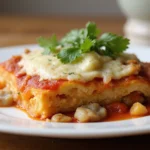

Sweet Potato Casserole with Marshmallows is a beloved dish that captures the essence of comfort food, especially during the fall and winter months.
Its delightful combination of sweet, creamy sweet potatoes and fluffy marshmallows creates a taste sensation that is both nostalgic and indulgent.
I fondly remember family gatherings where this casserole graced the table, its sweet aroma filling the room and drawing everyone in.
Whether served as a side dish at Thanksgiving or as a cozy treat on a chilly evening, this recipe is sure to please both young and old alike.
The History and Cultural Significance
• Sweet Potato Casserole With Marshmallows traces its origins to the Southern United States in the late 19th century, where it was originally created as a way to showcase the sweet potato harvest.
• The dish evolved over decades, as home cooks began adding marshmallows to the recipe, creating a sweeter and more indulgent version that became a holiday staple.
• In American culture, this dish traditionally appears at Thanksgiving and Christmas celebrations, symbolizing warmth, family togetherness, and the joy of sharing a meal.
• While many variations exist across different regions, the authentic version maintains the balance of sweet potatoes and marshmallows that sets it apart from imitations.
Recipe Overview
Nutritional Information (per serving)
Ingredients


Essential Equipment Guide
Food Processor: This tool is essential for achieving a smooth and creamy sweet potato base. It saves time on mashing and ensures there are no lumps for a velvety texture. Look for a model with multiple speed settings and a large capacity for batch processing.
Baking Dish: A quality baking dish is crucial for even cooking and proper presentation. Glass or ceramic dishes are preferable as they distribute heat evenly. Choose one that is large enough to hold all the ingredients comfortably.
Mixing Bowl: A sturdy mixing bowl is important for combining ingredients without spillage. Opt for a bowl with a wide mouth and deep sides to facilitate thorough mixing. Stainless steel or glass options are durable and easy to clean.
Preparation Methods
Mashing Sweet Potatoes: Start by boiling or steaming whole sweet potatoes until fork-tender. Once cooked, allow them to cool slightly, then peel and transfer to a bowl. Use a potato masher or food processor to achieve a smooth consistency, which is crucial for the final texture of the casserole.
Layering Ingredients: Carefully layer the mashed sweet potatoes in the baking dish to ensure even cooking and flavor distribution. Use a spatula to smooth each layer before adding toppings. This technique enhances both presentation and flavor.
Step 1: Prepare Ingredients
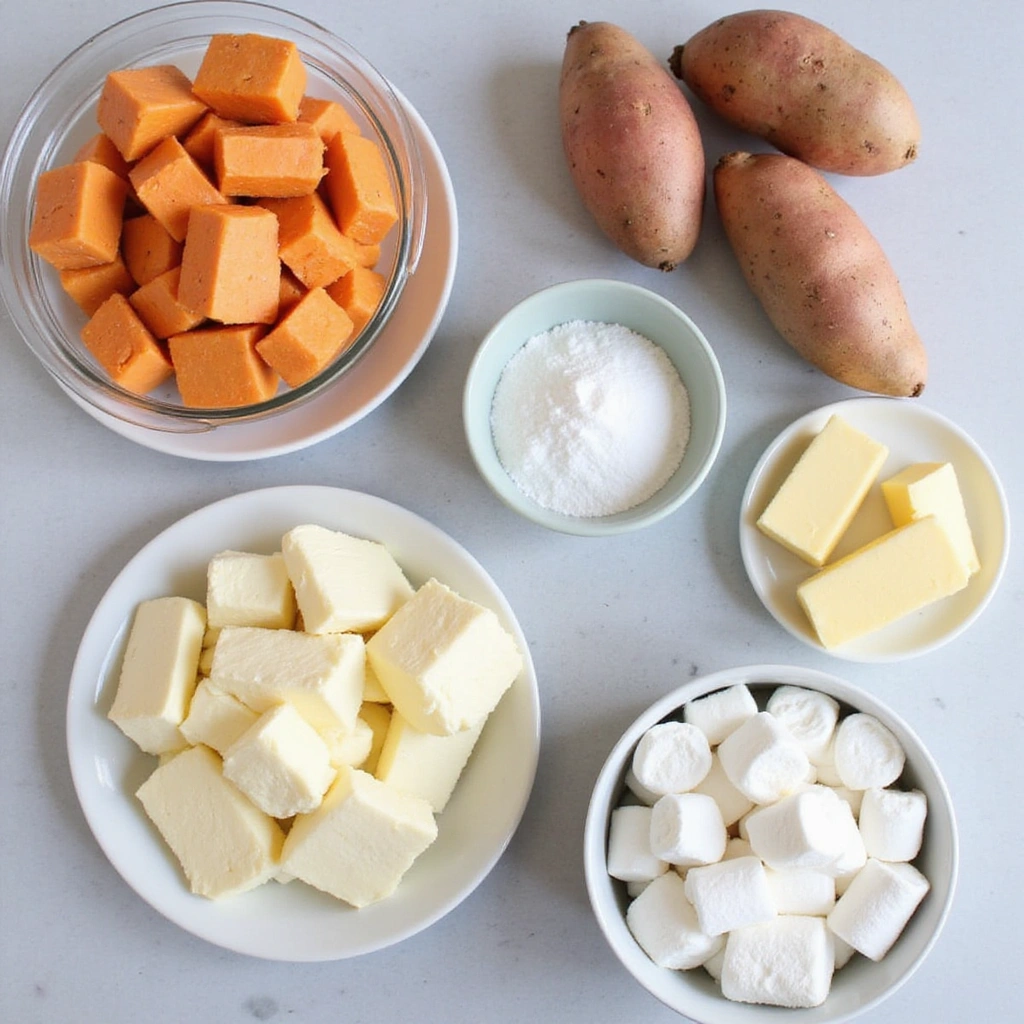
Begin by gathering all your ingredients on the countertop.
Ensure that the sweet potatoes are peeled and chopped into uniform pieces for even cooking.
Measure out all other ingredients accurately to streamline the cooking process.
Having everything ready will make the assembly smoother and quicker.
Step 2: Cook Sweet Potatoes

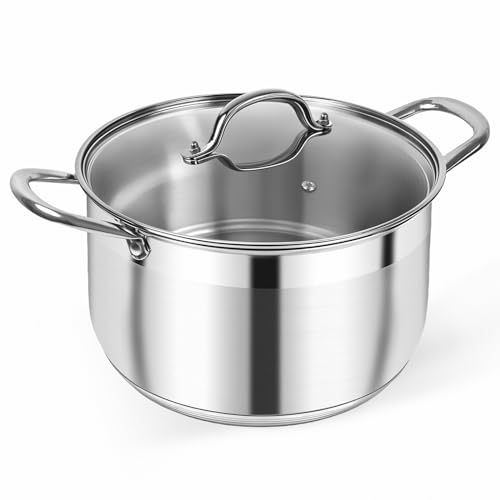
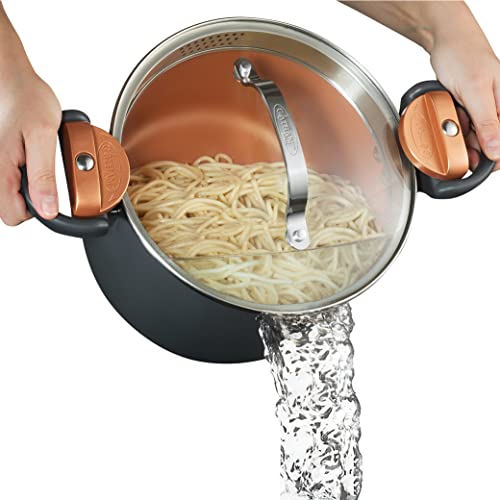
Place the chopped sweet potatoes in a large pot and cover them with water.
Bring the water to a boil and let the potatoes cook for about 15-20 minutes until tender.
To check for doneness, pierce a piece with a fork; it should slide in easily.
Once cooked, drain the potatoes and allow them to cool slightly before mashing.

Step 3: Mash Sweet Potatoes

Transfer the cooked sweet potatoes to a mixing bowl or food processor.
Add the granulated sugar, milk, butter, and vanilla extract to the potatoes.
Use a potato masher or food processor to blend until smooth and creamy.
Taste the mixture and adjust sweetness if necessary, ensuring a balanced flavor.
Step 4: Preheat Oven

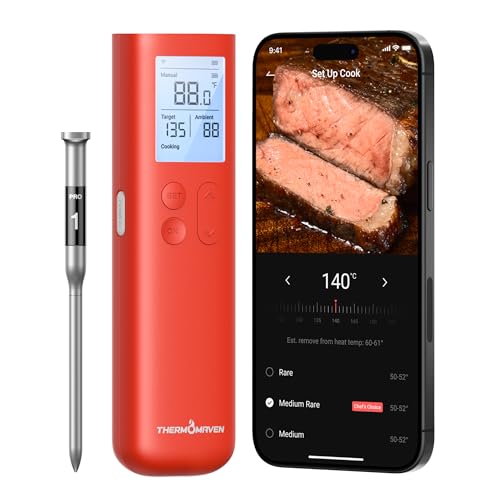
While mashing the sweet potatoes, preheat your oven to 350°F (175°C).
This ensures that the casserole cooks evenly from the moment it’s placed inside.
A properly preheated oven is crucial for achieving the ideal texture and flavor.
Make sure to check the temperature with an oven thermometer if necessary.


Step 5: Assemble Casserole

Spread the mashed sweet potato mixture evenly in the prepared baking dish.
Use a spatula to smooth the top and create an even surface.
Sprinkle the mini marshmallows evenly over the sweet potato layer.
For added texture, you can also sprinkle chopped pecans on top before baking.
Step 6: Bake Casserole

Place the assembled casserole in the preheated oven and bake for 30 minutes.
Watch for the marshmallows to puff up and turn golden brown.
This visual cue indicates that the casserole is ready to serve.
If you prefer a darker top, you can broil it for an additional 1-2 minutes at the end.
Step 7: Cool and Serve

Once baked, carefully remove the casserole from the oven using oven mitts.
Allow it to cool for about 10 minutes before serving to let the flavors settle.
This cooling period also helps the marshmallows firm up slightly.
Scoop into serving dishes and enjoy while warm for the best experience.
Critical Timing and Temperature Guide
Cooking Sweet Potatoes: Boil sweet potatoes for about 15-20 minutes until fork-tender. Look for a soft texture that breaks apart easily. Avoid overcooking, which can lead to waterlogged potatoes that affect the casserole’s consistency.
Baking Casserole: Bake the casserole at 350°F (175°C) for 30 minutes. The marshmallows should be puffy and golden brown. Keep an eye on it to prevent burning, especially during the last few minutes.
Cooling Time: Allow the casserole to cool for at least 10 minutes before serving. This helps the marshmallows set slightly, making it easier to serve without falling apart.
Pro Tips for Sweet Potato Casserole With Marshmallows
• Ingredient Selection: Choose fresh sweet potatoes for the best flavor and texture. Look for firm, blemish-free potatoes that are uniform in size.
• Preparation Secret: For an extra layer of flavor, add a pinch of nutmeg to the sweet potato mixture to enhance its earthiness.
• Temperature Management: Ensure sweet potatoes are at room temperature before mashing to help them combine smoothly with other ingredients.
• Texture Enhancement: For a creamier texture, consider adding a dollop of sour cream to the sweet potato base.
• Flavor Layering: Incorporate a splash of orange juice or zest into the sweet potatoes for a citrusy brightness that balances the sweetness.
• Make-Ahead Strategies: You can prepare the sweet potato base a day in advance and store it in the refrigerator. Just add the marshmallows and bake when ready to serve.
• Restaurant-Quality Finishing Touches: Drizzle a bit of maple syrup over the marshmallows before baking for a glossy finish that enhances the flavor.
• Equipment Optimization: Use a non-stick baking dish to prevent sticking and ensure even browning.
Troubleshooting Common Issues
•
•
•
•
•
Variations and Regional Differences
• Southern Style: In the South, it’s common to add a layer of crushed pineapple for a sweet and tangy contrast. This variation provides added moisture and a unique flavor.
• Nutty Variation: Some recipes incorporate a layer of brown sugar and crushed pecans mixed with the marshmallows for a delightful crunch and caramelized flavor.
• Vegan Adaptation: For a vegan version, substitute butter with coconut oil and use maple syrup instead of sugar. Plant-based milk can also replace regular milk.
• Modern Interpretations: Contemporary adaptations might include adding spices like ginger or cardamom for an exotic twist, or using alternative sweeteners like agave syrup for a healthier option.

Food Science Behind the Recipe
•
•
•
Frequently Asked Questions
What’s the most common mistake people make when preparing Sweet Potato Casserole? A frequent mistake is overcooking the sweet potatoes, leading to a watery texture. To prevent this, keep an eye on cooking time and check for doneness with a fork.
Can I prepare components of this dish in advance? Yes, you can prepare the sweet potato mixture a day ahead and store it in the refrigerator. Just add marshmallows and bake when ready to serve.
How do I adapt this recipe for dietary restrictions? To make it gluten-free, ensure all ingredients are certified gluten-free, and for dairy-free, substitute butter and milk with plant-based options.
What’s the best way to store and reheat leftovers? Store leftovers in an airtight container in the refrigerator for up to 4 days. Reheat in a covered dish in the oven at 350°F until warmed through.
Can I freeze this dish? Yes, you can freeze the unbaked casserole. Thaw overnight in the refrigerator before baking, and adjust the baking time accordingly.
What wine or beverages pair best with this dish? A light, fruity white wine like Riesling complements the sweetness of the casserole beautifully.
How can I scale this recipe up for a crowd? Double or triple the ingredients but use larger baking dishes. Adjust cooking time as needed, checking for doneness with a toothpick.
What side dishes complement this recipe best? Savory roasted vegetables or a simple green salad balance the sweetness of the casserole nicely.
How do professional chefs elevate this dish for restaurant service? Professional chefs often add a drizzle of balsamic reduction or a sprinkle of gourmet sea salt for added complexity and presentation.
Serving and Presentation Guide
• Traditional Presentation: Serve the casserole directly from the baking dish. Use a large spoon to scoop out portions, allowing the marshmallows to showcase their golden color. Garnish with a sprinkle of chopped pecans for added texture.
• Modern Plating Ideas: For a contemporary twist, serve portions on individual plates with a drizzle of maple syrup and a dollop of whipped cream on the side.
• Accompaniment Suggestions: Pair with savory sides like roasted Brussels sprouts or a light cranberry salad to balance the sweetness.
• Special Occasion Presentation: Elevate the dish for holidays by using a decorative baking dish and garnishing with fresh herbs, such as rosemary or thyme, for an elegant touch.
Conclusion
Sweet Potato Casserole with Marshmallows is more than just a dish; it’s a cherished tradition that brings families together.
I hope you give this recipe a try and create your own memories around the table.
Enjoy the delightful flavors and the joy of sharing this comforting casserole with loved ones.